 Demian Sahputra
WASHINGTON – The United States (US) government is now aggressively working to recover 1.1 billion US dollars in crypto assets, approximately Rp17 trillion, that were frozen after being targeted in a massive hack against the Binance platform. In-depth investigations have revealed strong links between these funds and entities in North Korea, even as billions more from the same hack remain unidentified.
This recovery effort reflects President Donald Trump and his administration's commitment to combating increasingly sophisticated cybercrime, especially that related to funding illegal transnational activities. The primary focus of the investigation is assets in USDC, a stablecoin, which were successfully frozen after intensive tracking by US law enforcement agencies.
The hack against Binance, one of the world's largest crypto exchanges, represents one of the most significant digital security incidents in recent years. Although some funds were secured, a large portion of the stolen assets vanished without a trace, raising serious concerns about their potential misuse.
US intelligence indicates that state-sponsored hacking groups, particularly from North Korea, are behind many large-scale cyberattacks, including those targeting the crypto financial sector. These stolen funds are often used to finance Pyongyang's nuclear and missile programs, which violate international sanctions.
This case is not just about financial recovery; it is a crucial battle for global security. Funds flowing to North Korea enable the regime to continue developing its military capabilities, posing a serious threat to regional and global stability.
The US Department of Justice, in cooperation with various intelligence and international law enforcement agencies, is employing advanced blockchain tracking technology to map the flow of funds. This process is highly complex given the decentralized nature and anonymity of some crypto transactions.
Nevertheless, the successful freezing of 1.1 billion US dollars demonstrates that collaborative efforts and innovation in digital asset tracking can yield results. Authorities hope this step will send a strong message to cybercriminals and their state sponsors.
Amidst this turmoil, crypto exchange platforms like Binance continue to enhance their security protocols and cooperate with global authorities to prevent similar incidents in the future. However, regulatory and oversight challenges remain a major task for this rapidly growing industry.
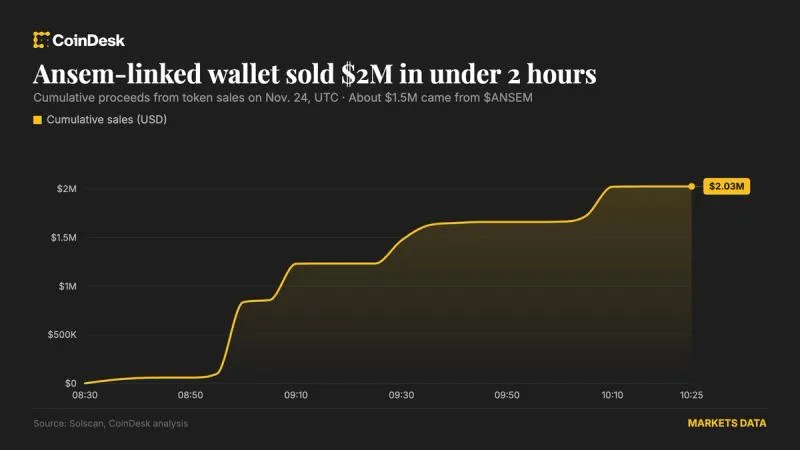
The issue of hacking and digital asset security is under sharp scrutiny. Related articles such as Ansem Crypto Trader Hacked: $2 Million Memecoins Vanish show individual vulnerabilities, while New South Korea Rules: Upbit's Power Under Threat of Drastic Shift! highlights national efforts to control the crypto market.
Editorial Insight:
The US efforts to recover Binance hack funds linked to North Korea underscore the urgency of global cyber governance. This incident confirms that cybercrime is no longer just a financial issue but a serious geopolitical threat requiring a coordinated response from various nations. Success in this case will set an important precedent, but the challenges of tracking and freezing digital assets across complex jurisdictions will remain a top priority for law enforcement agencies in the coming years, especially given the evolving tactics of state-sponsored hackers.