 Robert Andrison
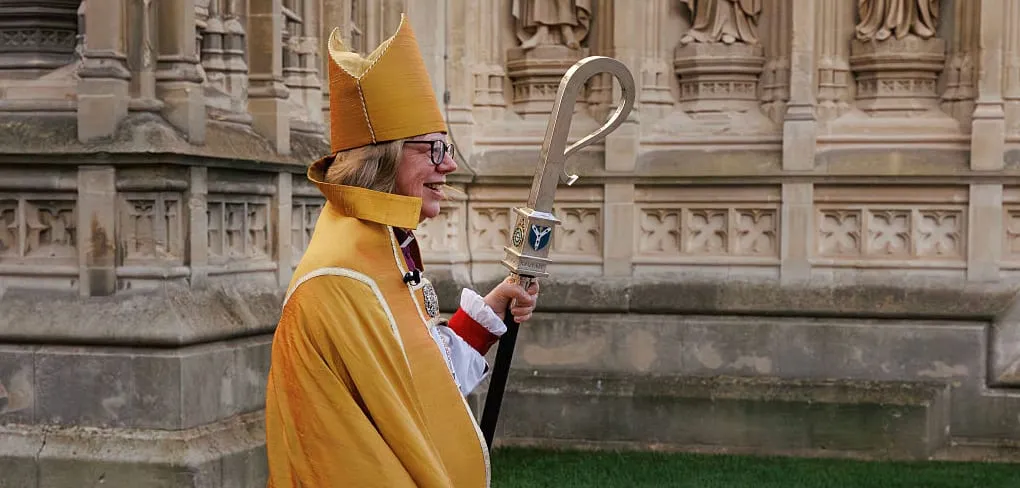
CANTERBURY – The Archbishop of Canterbury, the senior spiritual leader of the Church of England, recently revoked a plan to bestow the 'Versohnungspreis' or Reconciliation Prize upon an Imam. This decision followed a wave of widespread criticism and public outrage, testing the commitment to interfaith dialogue in the United Kingdom.
The award was originally intended as a symbolic gesture to promote peace and strengthen interreligious dialogue, particularly between Christians and Muslims. This initiative from the Archbishop's office aimed to bridge differences and foster harmony amidst often challenging social dynamics.
This planned award was supposed to be a highlight in global efforts to encourage peaceful coexistence. However, the identity of the Imam slated to receive the prize, along with alleged past views or actions, quickly became the focal point of the controversy.
Strong criticism came not only from conservative circles within the Church of England but also from civil society groups highlighting the Imam's track record. They argued that this award could undermine the credibility of reconciliation efforts and lend legitimacy to a figure deemed to have a specific agenda.
Internal sources within the Church of England, who requested anonymity, revealed that the pressure received was immense. The noble goal of peace dialogue became blurred by the intense scrutiny of the individual involved, one source stated, hinting at the complexity of the situation.
The Head of the Interfaith Relations Committee of the Archbishop of Canterbury, in an official statement, said, We have listened carefully to all constructive feedback and understand the concerns raised. This decision reflects our commitment to ensuring that all reconciliation efforts are inclusive and accepted by all parties.
The swift response from the Church of England demonstrates its sensitivity to public opinion and caution in navigating religiously charged issues. They affirmed the importance of transparency and accountability in every initiative involving public representation.
This incident inevitably presents new challenges for interfaith relations in the UK, forcing spiritual leaders to be more discerning in selecting figures who represent peace efforts. It is not just about who receives an award, but also how the message of peace is perceived.
The debate arising from this incident also opens up a deeper discussion about the very definitions of reconciliation and dialogue. Does reconciliation mean embracing all parties indiscriminately, or should there be clear moral and ethical boundaries?
This case will serve as a valuable lesson for many religious institutions worldwide on the intricacies of building bridges between faiths in an era of information polarization. Every step needs careful consideration, given its potentially far-reaching impact.
Editorial Insight: The incident of the Archbishop of Canterbury rescinding the award highlights the perennial dilemma in promoting interfaith dialogue. While the Archbishop's initial intention for reconciliation was commendable, the reality that public figures carry diverse histories and perceptions is often overlooked. This is not merely about giving a prize, but about the legitimacy conferred upon the recipient, and how that legitimacy is perceived by the wider community. Moving forward, religious institutions need to be more proactive in conducting due diligence and strategic communication to ensure their peace efforts do not backfire.