 Debby Wijaya
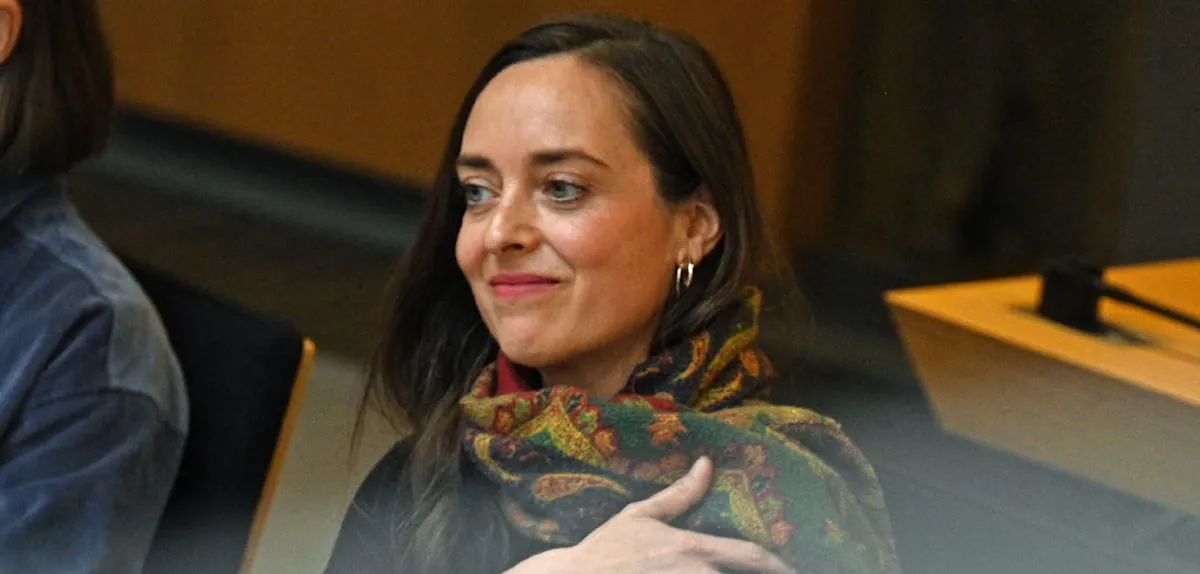
BERLIN – Vanessa Emde, a Berlin Linke Party parliamentarian, has unequivocally rejected calls for her resignation from her legislative position, an ultimatum issued by the provincial party leadership. This internal conflict emerged after the State Executive Board cited a loss of trust and refused to continue cooperation, triggering significant political tension in the German capital in 2026.
Her statement, 'Of course, I will continue to exercise my mandate!' serves as Emde's response to the pressure threatening her political career. This refusal underscores her independent stance amidst ripples of dissatisfaction within the Linke Party, which now faces a serious dilemma regarding internal cohesion and public representation.
The demand for Emde's resignation was not without reason. The State Executive Board of the Berlin Linke Party had previously issued an official statement explicitly mentioning the lack of a foundation of trust for effective cooperation. This decision followed a series of tense and heated internal discussions, although specific details regarding the causes of the disharmony have not been fully disclosed to the public.
For Emde, persisting through this political storm is a form of commitment to the voters who entrusted her with a mandate. She insists that her responsibility is to her constituents, not solely to the party hierarchy. This position places her in direct confrontation with dominant factions within her own party.
This tension has the potential to damage the Linke Party's image, which is already struggling to maintain its relevance in Berlin's competitive political landscape. Such conflicts often raise questions about leadership stability and the party's ability to constructively resolve internal disagreements.
The incident immediately drew attention from local and national media. Political analysts began to speculate on the motives behind the party leadership's demands and the long-term implications for Emde's political power and the Linke Party ahead of upcoming local elections. The public sphere is filled with discussions about the boundaries of party loyalty versus legislator independence.
Similar situations are not new in the world of politics. There are many cases where parliamentarians choose to defy their party's directives for principles or promises to their constituents. This incident in Berlin strengthens the discourse on the essence of democratic representation and the limits of internal party intervention on the independence of parliamentarians. Such dynamics also occur in various parts of the world, fueling debates about the future of global liberalism, as discussed in the article Demokrasi Amerika Bangkit: Menjawab Tantangan Kematian Liberalisme Global 2026.
An anonymous source from within the party, who declined to be named, stated, 'This is not just about Vanessa; it's a battle for the soul of the party. There are fundamental differences in vision regarding the direction that must be taken.' This quote indicates that the issue runs deeper than a mere personal dispute.
Vanessa Emde's future in the Berlin Parliament is now in limbo. Although she refuses to resign, pressure from the party leadership is likely to continue. Speculation about possible expulsion or other disciplinary actions has begun to circulate, adding complexity to the political dynamics in the capital.
Emde's decision to stay will be a severe test for both the Linke Party and herself. How this conflict concludes will provide valuable lessons about the power of individual political mandates versus the collective authority of a party in Germany's democratic system in 2026.
Editorial Insight: Vanessa Emde's case highlights a crucial issue in parliamentary democracy: the balance between party discipline and legislator independence. In the context of modern politics, the voters' mandate should be the top priority. Demands for resignation solely due to 'loss of trust' without concrete explanation can potentially undermine the democratic process and erode public trust in political parties. Such internal conflicts could boomerang against the Linke Party, weakening its position in the eyes of voters and providing ammunition for its political rivals.