 Angel Doris
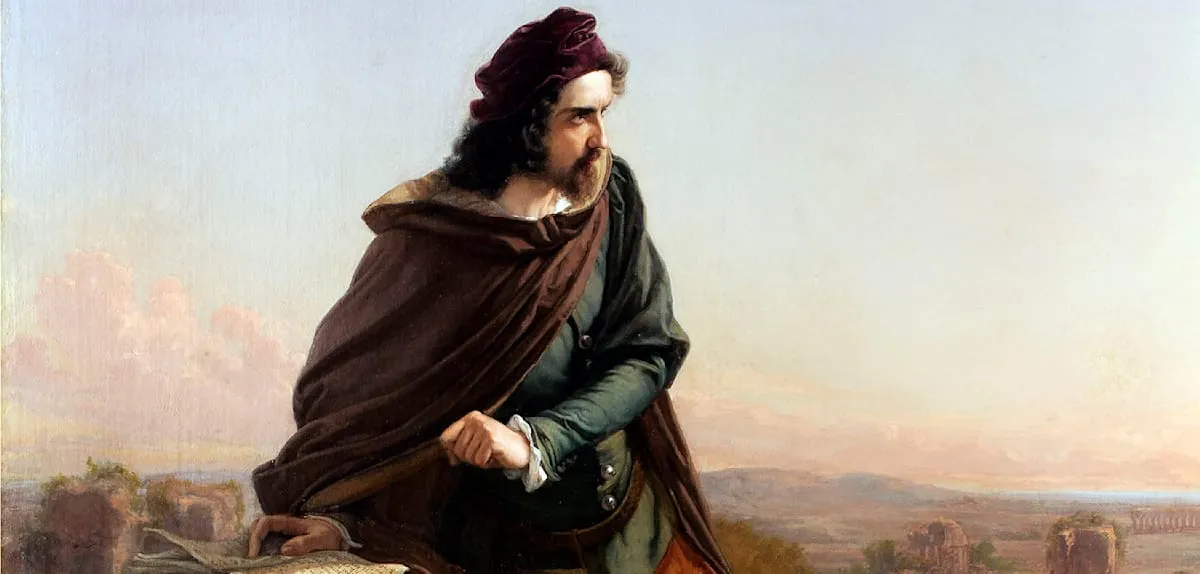
BAYREUTH – A new chapter in the history of the Wagner Festival was etched in 2026. Richard Wagner, the legendary German composer, returns to the global art spotlight through his early opera, “Rienzi,” which is being staged for the first time on the majestic stage of the Festspielhaus Bayreuth. This event is not merely a regular performance but marks the 150th anniversary of the Wagner Festival, simultaneously representing a bold effort to untangle the complex historical controversies surrounding it.
The decision to feature “Rienzi” at the Festspielhaus Bayreuth is historic, considering this opera was traditionally “forbidden” in that sacred venue. Its status as Adolf Hitler's “favorite opera” has burdened it with a heavy historical weight, making the work rarely touched or performed with extreme caution in post-war Germany.
For a long time, “Rienzi” has been locked in a debate between its artistic legacy and its ideological associations. Critics and historians often highlight how the work was exploited as a propaganda tool by the Nazi regime, thereby tarnishing its reputation in the eyes of the public and the art world.
However, this celebration of the Wagner Festival's century and a half has been seized as a strategic moment by the festival's directors to bravely confront the past. The premiere of “Rienzi” at the Festspielhaus is a declaration that art can reflect and even reconcile complex history.
“Rienzi,” classified as a grand opera, is quite different from Wagner's later works, which are better known for the concept of Gesamtkunstwerk or “total work of art” such as “Der Ring des Nibelungen.” This early composition features a large orchestral scale, massive chorus, and ballet, reflecting the French and Italian opera styles of its time.
BAYREUTH – The Bayreuth Festival itself was founded by Wagner in 1876, with the specific purpose of staging his own operas, especially the “Der Ring des Nibelungen” cycle, in a specially designed atmosphere. The Festspielhaus, the iconic theater built on Bayreuth's “Green Hill,” was architecturally designed to maximize the acoustic experience for Wagner's works.
The decision to present “Rienzi” means the festival is now expanding its scope to acknowledge and reinterpret the full spectrum of Wagner's works, not just those considered “canonical” or most aligned with its post-war image.
The festival director, whose identity is not specifically mentioned in the source, is believed to face significant challenges in interpreting this work. How to present “Rienzi” to a modern audience without ignoring its historical blemishes becomes a crucial question that must be answered through an intelligent and sensitive artistic approach.
Art observers predict that this performance will spark intense discussions about the role of art in addressing politics and history. It is an opportunity for the public to see how a work can be separated from imposed narratives, or rather, how history itself becomes an integral part of the artistic experience.
This move aligns with global efforts to recontextualize complex cultural heritage. Similar cases, where artists or artworks are entangled in political or historical polemics, are not new. Indeed, issues of sensitivity in the art world continue to emerge, as seen in cases where artists face expulsion from the stage due to sensitive political views, as highlighted in the related article “Jewish Artists Expelled from Stage: Anti-Israel Fanaticism Increasingly Worrying.”
Through this staging of “Rienzi,” the 2026 Wagner Festival reaffirms its commitment to be a relevant, courageous, and reflective forum. This is more than just an opera performance; it is a cultural statement about the courage to confront the shadows of the past to understand the present and shape the future of art.
EUROPE – The anticipation for this performance has built high expectations among opera lovers and international critics. It is expected to be one of the most significant cultural highlights in Europe in 2026, drawing attention not only from the art community but also from those interested in the intersection of history, politics, and art.
Overall, the debut of “Rienzi” at the Festspielhaus Bayreuth at the 150th Wagner Festival celebration in 2026 is a pivotal moment. It is not just about music and drama, but also about the ongoing dialogue between past and present, realized through the enduring power of Richard Wagner's art.