 Stefani Rindus
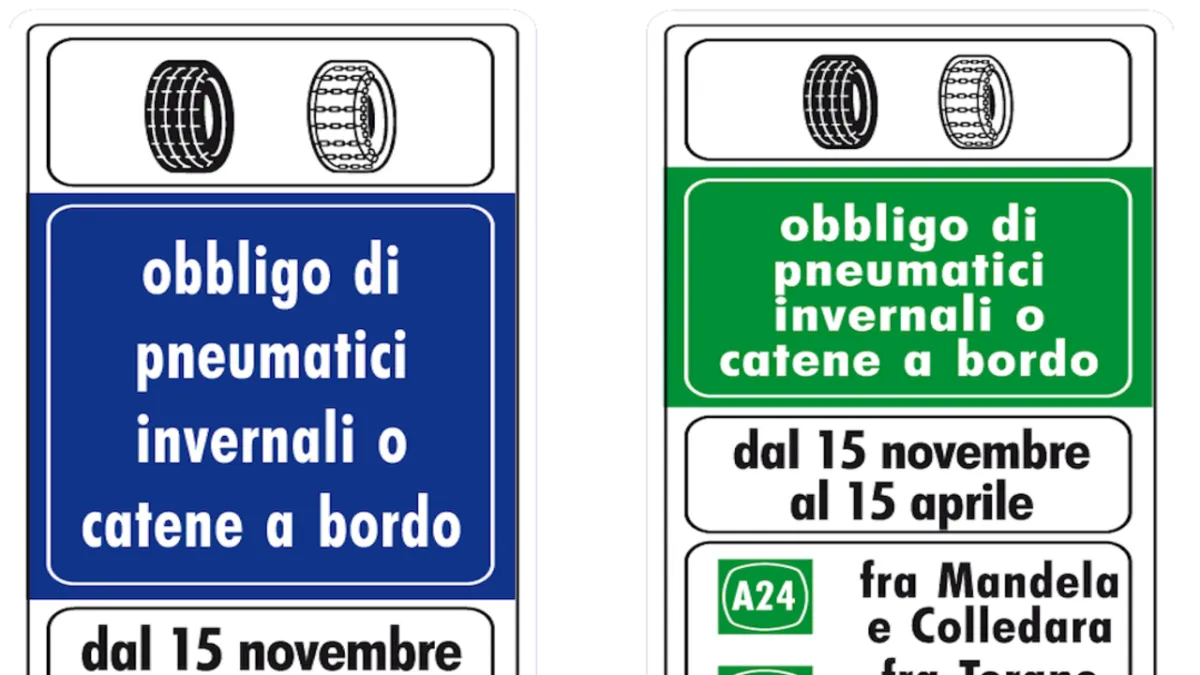
Rome – Starting November 15, 2026, all drivers in Italy and several other European countries are mandated to switch their vehicle tires from summer types to winter tires, also known as M+S (Mud + Snow) tires. This stringent regulation is enforced to ensure optimal driving safety throughout the extreme weather periods that frequently affect the continent, while also avoiding significant potential fines.
The Italian government has set a two-month deadline, beginning November 15, for vehicle owners to complete this tire change. This policy, known as 'cambio gomme,' aims to minimize the risk of accidents caused by slippery, snowy, or icy roads. Drivers who fail to comply with this obligation will face legal penalties according to the applicable traffic laws.
European winters are known for their challenging road conditions, ranging from low temperatures and black ice to heavy snow accumulation. Winter tires are specifically designed with a softer rubber compound and a deeper tread pattern. These characteristics allow the tires to maintain maximum grip at temperatures below 7 degrees Celsius, far exceeding the capability of summer tires.
This mandate is not merely a formality but the essence of road safety. M+S tires are more effective at dispersing water and slush and can 'bite' into slippery road surfaces. Without the proper change, vehicles are at a high risk of losing control, especially during sudden braking or maneuvering on winding roads.
Relevant authorities regularly conduct checks at various strategic points. Drivers found still using summer tires during the specified period will be fined, with the amount varying depending on the jurisdiction and the severity of the infraction. This serves as a firm warning for every individual to prioritize safety.
The automotive industry, particularly the aftermarket sector, experiences a significant surge in activity leading up to and during this period. Tire workshops are busy serving long queues of customers. Tire manufacturers also reap substantial profits from the soaring demand for M+S tires. This creates its own economic dynamic annually.
Traffic safety expert, Dr. Elena Rossi, emphasized the importance of proactive driver response. Tire replacement is a safety investment. It's not just about complying with regulations, but protecting oneself and other road users from unnecessary hazards, she stated during a press conference in Milan last week.
Similar regulations have long been in effect in many other European countries, such as Germany, Austria, and Switzerland, demonstrating a regional consensus on the urgency of using special winter tires. The experience of these countries proves the effectiveness of this policy in reducing traffic accidents during winter.
In addition to tire changes, drivers are also encouraged to regularly check tire pressure and ensure the overall condition of their vehicle is ready for extreme weather. Thorough preparation is key to a safe and comfortable journey, regardless of challenging road conditions.
The transformation of the automotive industry also influences these regulations. Innovations seen from renowned car manufacturers, such as BMW preparing 10 new models for 2027, suggest elevated safety standards that must be matched by vital components like tires.
Editorial Insight: The mandatory winter tire change policy in Europe is a concrete example of how government regulations can directly impact public safety and the economy. This measure not only reduces the risk of fatal accidents but also stimulates growth in the automotive service sector. The challenge ahead is to ensure adequate tire availability and continuous education for all segments of society, especially for visitors or tourists who may be unfamiliar with these rules.