 Dodi Irawan
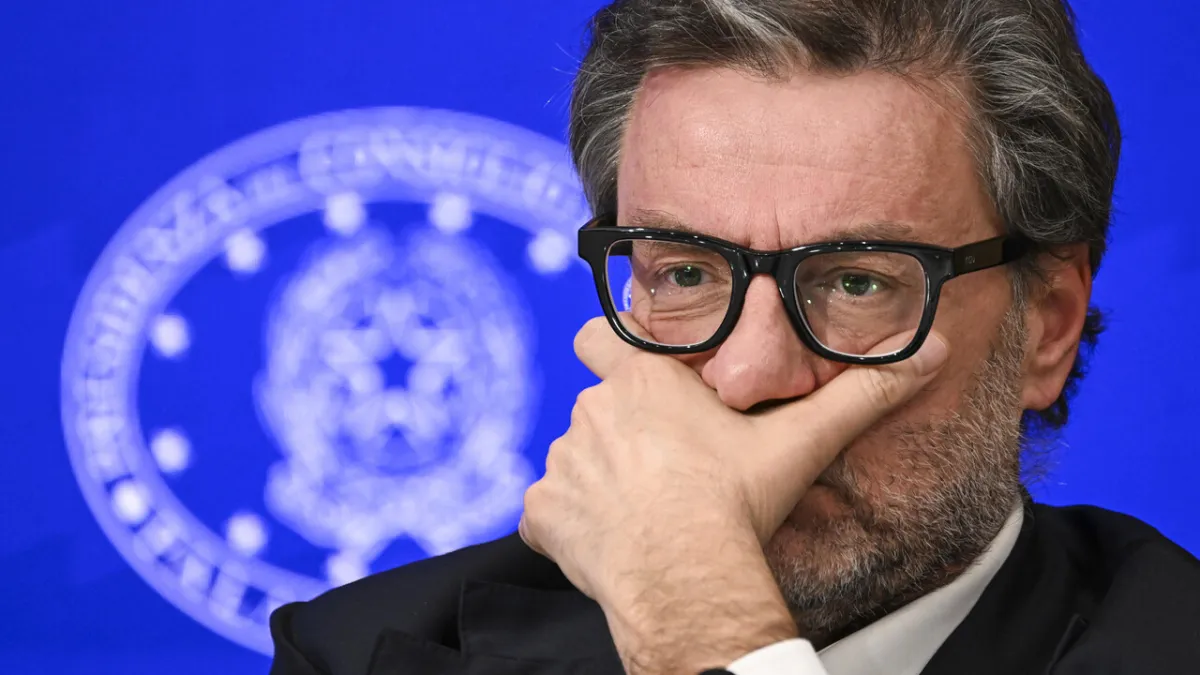
ROME – Uncertainty shrouds Italy's military support for Ukraine following a surprising refusal by Minister of Economy and Finance, Giancarlo Giorgetti, to sign the latest arms supply decree. The decision immediately triggered significant political turmoil, threatening the stability of the ruling coalition in Rome, and highlighting potential divisions amidst sensitive geopolitical issues unfolding in early 2026.
Giorgetti's refusal, a key figure from the League party, occurred as Defense Minister Guido Crosetto was scheduled to appear before the Parliamentary Committee for the Security of the Republic (Copasir). This meeting is expected to become a political battleground, revealing deep-seated tensions within the majority.
The decree, whose signing has been postponed, represents a crucial military aid package aimed at strengthening Ukraine's defense against aggression. This delay raises major questions about Italy's commitment on the international stage, particularly within the Western alliance.
The current coalition government has consistently voiced support for Kyiv, but Giorgetti's move now questions that consensus. This creates a strategic dilemma for Italy, which has historically been a strong supporter of Ukraine's territorial integrity.
This decision not only impacts bilateral relations with Ukraine but also has the potential to disrupt foreign policy coordination within the European Union, which is striving to unify its stance in facing geopolitical challenges. Internal deadlock in Rome could weaken Europe's collective position.
The situation exacerbates speculation regarding the future of the coalition government, given the differing views among its constituent parties. The League, Giorgetti's party, often holds a more pragmatic or skeptical position towards large-scale military intervention compared to its allies.
Various parties, including opposition parliamentarians and political analysts, have expressed serious concerns. They highlight that the refusal to sign this decree could weaken Italy's diplomatic standing and its credibility as a reliable partner in the eyes of the world.
Political sources in Rome indicate that Crosetto will face a challenging session at Copasir. It is expected that he will provide clarification regarding the reasons behind the delay and the subsequent steps the government will take to overcome this stalemate.
Security analysts predict that if this deadlock persists, it could erode the trust of NATO and European Union allies in Italy. This is not merely a domestic issue but has significant global resonance for the regional security architecture.
International relations experts emphasize that this incident comes at a crucial time for Ukraine, which continues to require substantial support to maintain its national defense. A related article, Zelenskyy Reveals Crucial Ukraine-EU Coordination Ahead of Abu Dhabi Dialogue, underscores the importance of coordinated support.
This is a crucial moment for Italy's leadership to demonstrate unity, said a political observer from Sapienza University of Rome, who wished to remain anonymous. Internal divisions will only benefit those who do not wish for stability in Europe.
The worst-case scenario could include a vote of no confidence, a cabinet reshuffle, or even snap elections. However, coalition leaders will likely strive to find a compromise solution to maintain government stability amidst a challenging 2026.
Resolving this issue requires intensive negotiations and a strong political consensus, especially given the sensitivity of military aid and its financial implications. The future of Italy's support for Ukraine now hinges on the internal coalition's ability to defuse tensions.
Editorial Insight: Minister Giorgetti's refusal of the arms aid decree for Ukraine is not merely an administrative delay, but a clear manifestation of ideological fissures within the Italian government coalition. This incident creates an opening for adversaries of European stability and demands a firm and united response from Italy's leadership. Failure to reach a consensus could weaken Italy's global standing and jeopardize vital support for Ukraine amid an ongoing conflict.