 Angela Stefani
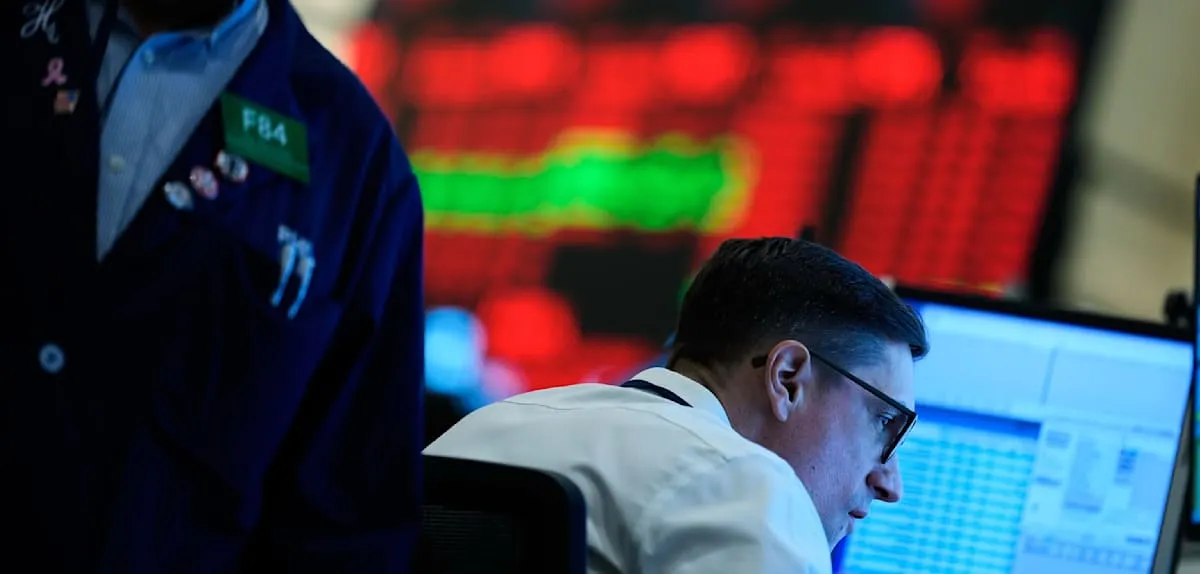
NEW YORK – The United States stock market has once again been hit by severe turbulence after giant tech stocks led a significant correction, dragging global market indices into the red. The Nasdaq 100 index reportedly plummeted 20 percent since peaking in October last year, while Germany's Dax index recorded a loss of more than seven percent in the past week. This situation has caused the investor fear barometer to surge to its highest level in a year and a half, reflecting deep concerns about the global economic outlook.
This drastic decline underscores the fragility of market sentiment amidst ongoing macroeconomic pressures. Technology companies, previously the locomotive of market growth, now face formidable challenges due to overvalued assets and the prospect of rising interest rates. Investors are beginning to withdraw capital from high-risk assets, seeking refuge in more stable investment instruments.
The market volatility indicator, often referred to as the fear barometer, has now reached its peak, a level not seen since early last year. This surge signals a significant increase in uncertainty and the expectation of more severe market turmoil in the near future. Market analysts are closely monitoring every movement, awaiting signals of stabilization.
The turmoil on Wall Street quickly spread to other exchanges worldwide. Major indices in Europe and Asia were also hit, reflecting the tight interconnectedness of global financial markets. Significant losses on the German Dax exchange serve as clear evidence of how negative sentiment from the US market can create a global domino effect.
Several factors are suspected to be the main triggers behind this sharp correction. Concerns about persistent inflation, coupled with anticipation of more aggressive monetary policies from central banks, particularly the US Federal Reserve, spurred selling activity. The prospect of a global economic slowdown also adds to the burden on investor sentiment.
This wave of correction is reminiscent of previous periods of extreme volatility, although the current economic context has different nuances. Economic observers suggest that investors remain cautious and carefully evaluate their portfolios amidst these uncertain market conditions.
The technology sector, which has enjoyed exponential growth for the past few years, is now at the forefront of selling pressure. Shares of giant companies such as Apple, Microsoft, and Amazon feel the most severe impact, with their market capitalization evaporating billions of dollars in a matter of days. Turbulence in the digital asset market also indicates an interconnectedness of investor sentiment across various asset classes.
Governments and central banks in various countries, including the Federal Reserve, are expected to closely monitor these developments. Upcoming monetary policy decisions will be crucial in efforts to stabilize markets and alleviate investor concerns. However, measures taken must also consider potential impacts on economic growth.
Leading economists, including some from international financial institutions, are beginning to sound warnings about the risk of a global recession if this market pressure continues without effective intervention. They highlight the need for strong policy coordination among nations to address complex economic challenges.
Investors are now anxiously awaiting the next quarterly corporate earnings reports and macroeconomic data releases. This information will be key in determining the future direction of the market. Volatility is projected to remain high until there is clarity regarding the inflation outlook and global monetary policy responses.
Editorial Insight:
The sharp decline in US stock markets, particularly in the technology sector, is not merely a regular market correction. It reflects a fundamental shift in global economic expectations, driven by stubborn inflation and the prospect of rising interest rates. The surging fear barometer indicates that investor confidence is at an all-time low. If central banks fail to navigate these conditions carefully, without triggering a recession, the impact could extend far beyond stock markets, affecting employment and real economic growth. Attention is now focused on the US Federal Reserve's policies and how they will balance inflation control with maintaining global financial stability.