 Stefani Rindus
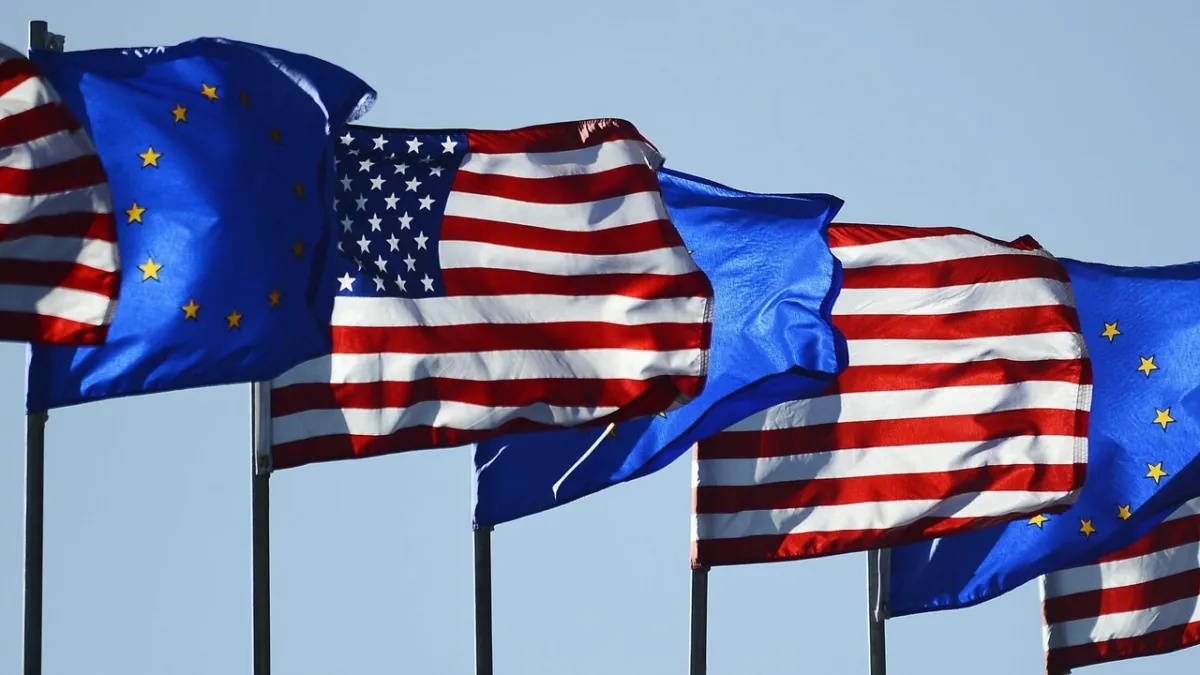
Washington — The United States government has officially implemented a new wave of import tariffs that could shake global trade relations. This policy, rooted in the protectionist strategies of the Trump era, is now definitively in effect in 2026 with rates between 10 to 12.5 percent on various commodities from over 60 countries. This decision has sparked widespread concerns about an escalation of trade wars and their impact on global economic stability.
Washington has taken this step in an effort to rebalance its trade deficit and curb practices deemed unfair by its trading partners. Intensive investigations into alleged forced labor practices in several regions, including the European Union and China, are said to be a primary driver behind this aggressive policy. This adds a layer of complexity to already tense international trade negotiations.
Economic analysts from various international institutions immediately issued warnings. They project that these additional tariffs will significantly impact global supply chains, increase production costs, and ultimately burden consumers through higher prices. Developing countries, in particular, that heavily rely on exports to the US, are at risk of severe economic pressure.
A spokesperson for the US Department of Commerce, in a virtual press conference held this morning, affirmed that the tariff implementation is part of a “long-term strategy to ensure fair and reciprocal trade.” They highlighted the importance of protecting domestic industries from unfair competition and exploitative practices.
Nevertheless, many parties view this policy as a boomerang that could harm the US economy itself. American industries that depend on imported raw materials or components from affected countries will face increasing cost challenges. This could reduce the competitiveness of US products in both domestic and international markets.
The European Union, through the European Commission, has expressed deep concern over this latest policy. An official statement from Brussels called on Washington to return to the negotiating table and seek multilateral solutions based on WTO rules, rather than adopting unilateralism that harms all parties. They emphasized that allegations of forced labor in the EU are claims that must be transparently substantiated.
China, as one of the primary targets of previous tariff policies and currently a target of forced labor investigations, is predicted to respond with similar retaliatory measures. This is not the first time Beijing and Washington have been involved in trade friction, and this latest escalation has the potential to open a new, broader chapter of tension, not only in the economic sphere but also geopolitically.
The issue of forced labor is a central point that complicates the atmosphere. US intelligence reports allege that some industrial sectors in China, and even in some European Union member states, still employ practices that violate international labor standards. The US government states that it possesses substantial evidence to support these claims, although details have not yet been publicly disclosed. (Also read: Washington Implements 'Forced Labor' Tactics, US President's Desperation Revealed)
This revitalized tariff policy demonstrates the continuation of an “America First” approach in US foreign and trade policy, even under an administration different from the Trump era. The priority to protect domestic interests remains the main foundation, despite the significant global friction consequences.
Countries in Southeast Asia and Latin America, also included in the list of over 60 affected nations, are now formulating mitigation strategies. Some countries have announced plans to diversify their export markets, seeking alternatives to the United States, in order to reduce dependency and risks from Washington's unpredictable trade policies.
The long-term impact of these tariff policies remains speculative, but initial consensus indicates a potential slowdown in global economic growth. Financial market stability is also threatened if trade tensions continue to escalate and trigger sustained retaliation between the world's major economic powers.
The President of the International Chamber of Commerce (ICC) expressed concern that the fragmentation of global trade would worsen, which in turn could hinder innovation, reduce efficiency, and jeopardize collective efforts for post-pandemic economic recovery. The ICC urged constructive dialogue and mutual understanding.
This situation places the World Trade Organization (WTO) in a difficult position. Its authority has been repeatedly challenged by the unilateralism of major member states. This latest tariff conflict further highlights the urgency of WTO reforms to effectively resolve disputes and enforce fair trade rules.
The year 2026 is expected to witness tumultuous global trade dynamics. Commitment to free trade principles and multilateralism will be tested as protectionist policies, initiated by the world's largest economic powers, continue.