 Demian Sahputra
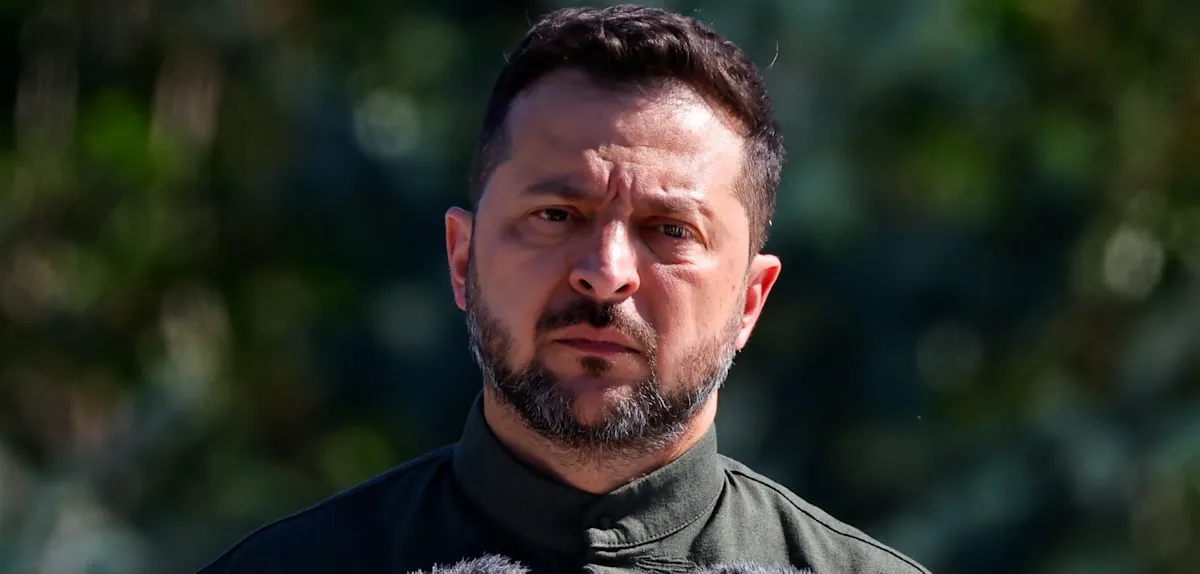
KYIV – Ukrainian President Volodymyr Zelenskyy recently issued a startling declaration, stating that Russian airspace is de facto closed and warning all international airlines about the high risk of drone attacks in the region. This warning comes amid increasing intensity of unmanned aerial vehicle (UAV) attacks targeting Russian territory, marking a significant escalation in the protracted conflict.
Responding to the statement, the Kremlin, through President Vladimir Putin, immediately condemned Ukraine's actions, labelling them as state terrorism. Putins statement reiterates Moscows narrative that these drone attacks constitute state-sponsored acts of terror, rather than military responses.
Zelenskyy based his warning on the continually rising frequency of drone incidents over major Russian cities and strategic facilities. He emphasized that this situation creates completely unsafe conditions for any civilian aircraft attempting to traverse or operate within airspace claimed by Moscow.
This warning places global airlines in a serious dilemma. Although Russian airspace has not been formally declared closed internationally, the threat articulated by Zelenskyy has the potential to impact flight routes, insurance costs, and the perception of security for airline operators.
The drone attacks in question have become a regular feature in the headlines of the Eastern European conflict throughout 2026. These drones, often targeting the Russian capital, Moscow, as well as military installations and critical infrastructure, have caused disruptions and damages.
This rhetorical escalation reflects a new chapter of increasingly heated tensions between Kyiv and Moscow. After years of armed conflict, the use of drones as an offensive tool and the declaration of airspace as a high-risk area indicate an expansion of the wars dimensions.
From an international law perspective, such a declaration raises complex questions regarding air sovereignty and states responsibility to ensure the safety of civilian aviation. Although Ukraine does not have physical control over Russian airspace, its warning serves as critical navigational advice.
The geopolitical ramifications of this situation are substantial. Several NATO and European Union member states will likely re-evaluate their flight policies concerning routes that traverse or approach Russian airspace.
This incident also sets a dangerous precedent. A unilateral declaration of airspace insecurity by a non-controlling party could potentially trigger further chaos in global air traffic if similar conflicts arise in the future.
This situation is analogous to tensions in other regions, such as when Hormuz Heated Up, where threats to maritime and air navigation sparked global concerns.
Editorial Insight: Zelenskyy's statement is not merely a warning but a strategic attempt to pressure Russia and generate international scrutiny of their military operations, while also undermining Moscow's security image. The Kremlin's response indicates they view this as a serious escalation. The future of aviation in the region will heavily depend on the dynamics of the conflict and the international community's response.