 Dodi Irawan
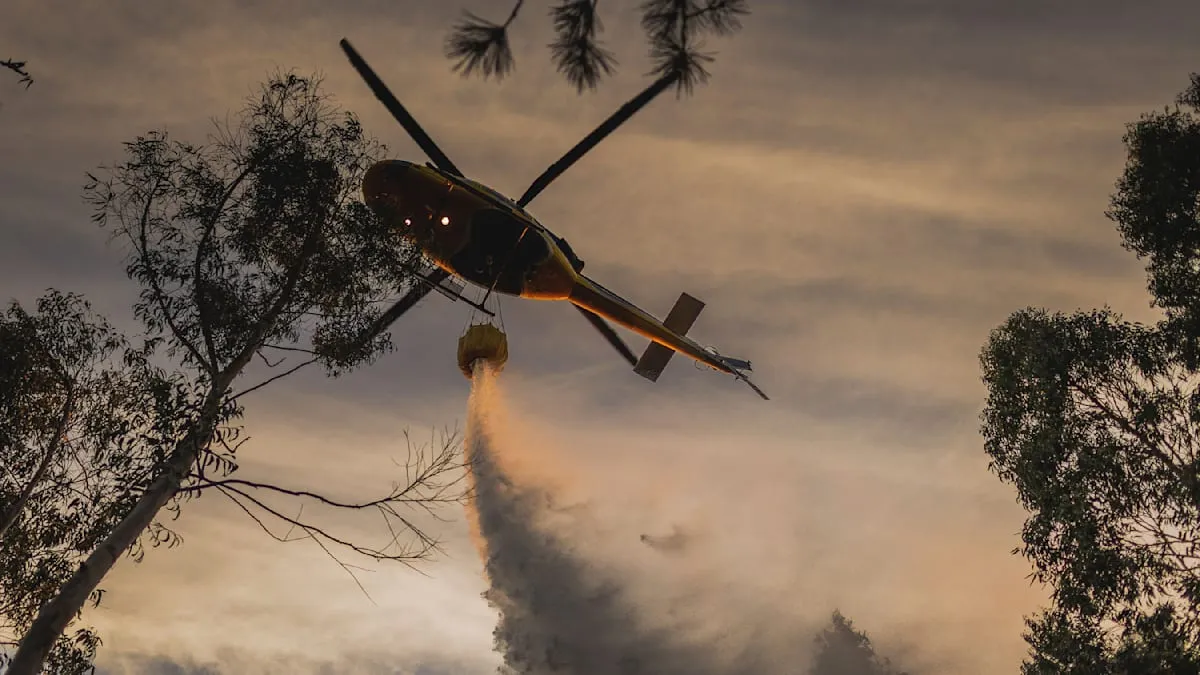
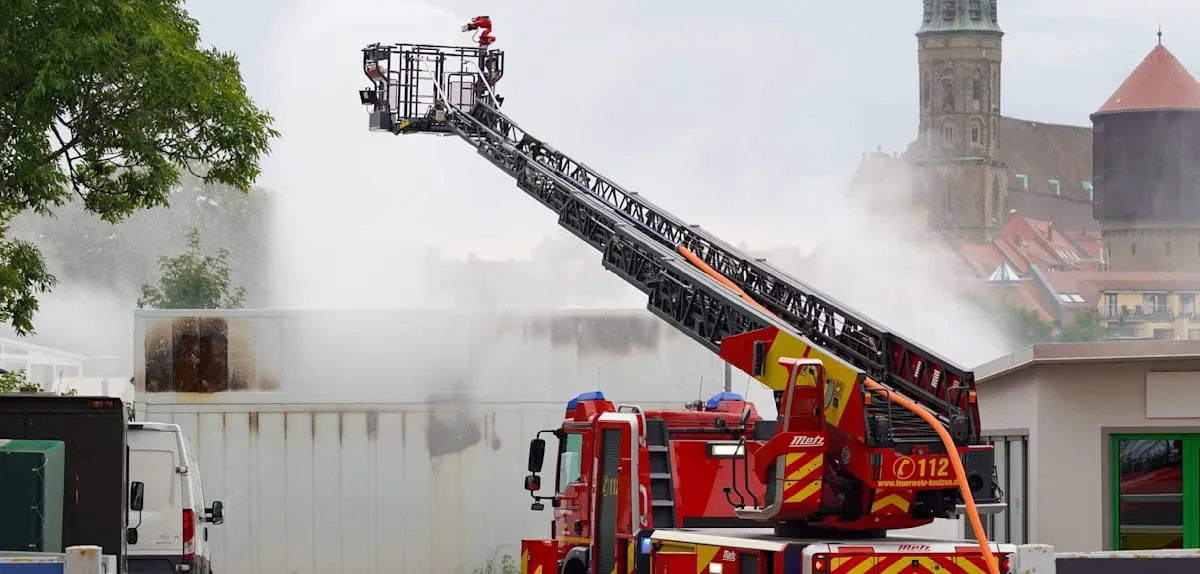
NORTH RHINE-WESTPHALIA – Ten helicopters are now extensively deployed in efforts to extinguish the largest forest fire raging across Hurtgenwald in the North Rhine-Westphalia (NRW) region of Germany. Thousands of emergency personnel have been battling tirelessly since this weekend, confronting a blaze that, despite being brought under control, still harbors embers and is complicated by strong winds. The firefighting operation is expected to continue until Monday.
This natural disaster, categorized as NRW's most severe forest fire incident, has mobilized approximately 1400 personnel from various units, including firefighters, police, and volunteers. They are working collaboratively in a challenging operation, navigating difficult terrain and the constant threat of rekindling fires.
Greta Wagner, a reporter from the prominent media outlet WELT, reported live from the scene. She stated that although teams have managed to contain most of the burned area, subterranean embers and wind gusts remain the primary adversaries. The situation is still highly dynamic. Embers can quickly reignite and expand the burned area if not immediately addressed, she remarked.
The deployment of ten helicopters marks a significant escalation in the emergency response. These aircraft are tasked with precisely dropping thousands of liters of water onto fire hotspots inaccessible to ground personnel, particularly in hilly and densely vegetated areas. The helicopters' effectiveness is crucial in suppressing the fire's spread.
The local government of North Rhine-Westphalia has issued an emergency warning to surrounding residents, urging them to remain vigilant and follow official instructions. Several roads have been closed, and certain areas around Hurtgenwald have restricted access for public safety and to facilitate firefighting operations.
Field operations commander, Lieutenant Colonel Werner Schmidt, revealed that the greatest challenge is not merely extinguishing the fire, but ensuring no hidden fire pockets remain. Our current focus is on thorough cooling and strict monitoring of every vulnerable plot of land. Wind could be a decisive factor, Schmidt explained.
Extreme summers in recent years have heightened the risk of forest fires in Germany, and this incident in Hurtgenwald serves as a serious reminder of climate change. Prolonged drought conditions transform forests into highly susceptible fuel. Similar events have also affected other regions in Germany, such as the devastating incident in Eifel that caused a stir and tested Germany's resilience in facing natural disasters.
The ecological damage from this fire is projected to be immense. Thousands of hectares of forest, natural habitats for diverse flora and fauna, have been consumed by the flames. The long-term impact on air and soil quality is also a serious concern for environmental experts.
The German federal government, under the current Chancellor's leadership, has pledged full support for the firefighting and recovery efforts. Additional logistical aid and personnel are ready to be deployed if needed. The unity of all societal and governmental elements is key to overcoming this crisis.
Volunteers from various organizations are also assisting, providing logistics, food, and moral support to the frontline personnel. This spirit of solidarity adds significant strength in confronting the widespread fire threat.
The investigation into the cause of the fire is still ongoing. Although initial suspicions point to natural factors or human negligence, authorities have not yet issued an official statement. The primary priority remains completing the firefighting efforts and ensuring the safety of the surrounding area.
Editorial Insight:
The forest fire in Hurtgenwald underscores Europe's vulnerability to the impacts of climate change, particularly heatwaves and droughts. The scale of this disaster demands enhanced emergency response capabilities and more robust prevention strategies. This incident also serves as an important lesson for other countries, including Indonesia, in managing and protecting their forest assets from similar threats amidst increasingly extreme global climate challenges. Community preparedness and cross-sector coordination will be crucial determinants in future disaster mitigation.