 Chandra Wijayanto
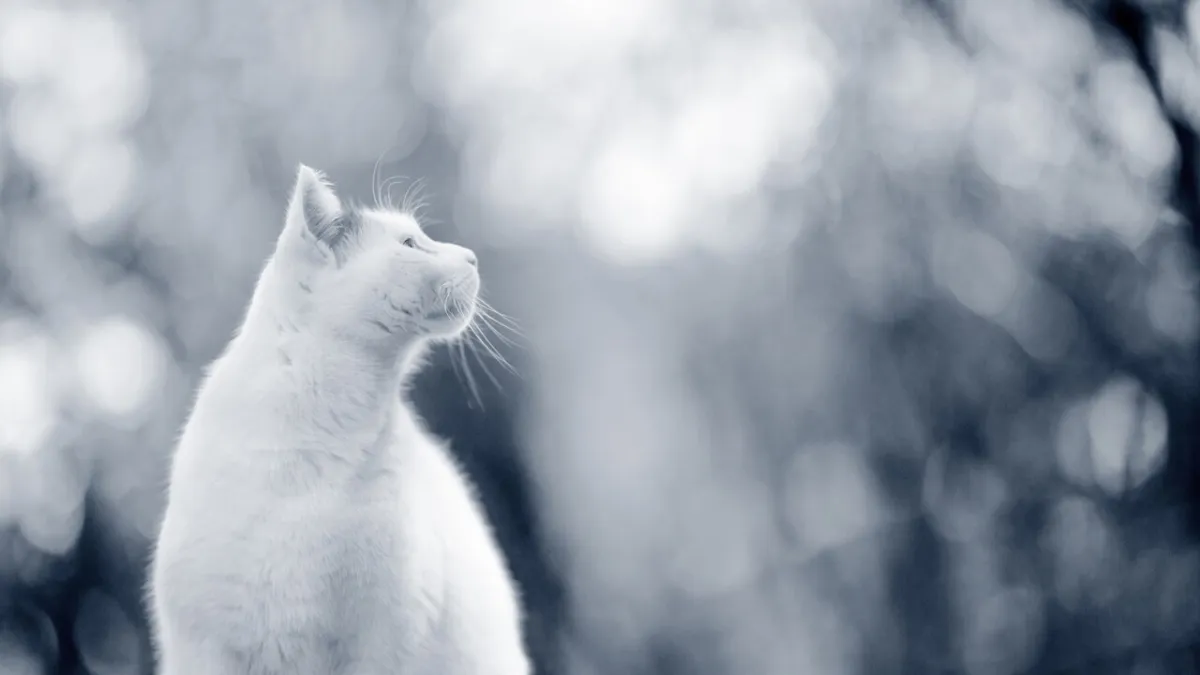
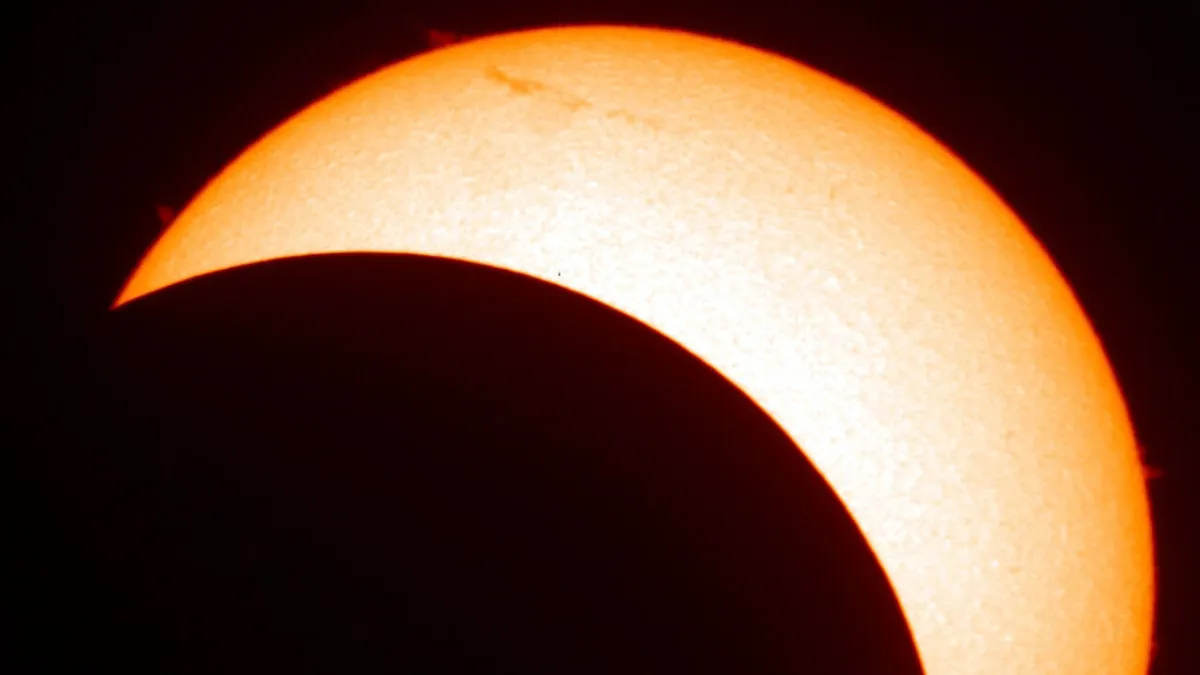
ROME – The highly anticipated total Solar Eclipse on August 12, 2026, will not only be a spectacular show for millions of human eyes but also a unique sensory experience for pets, especially dogs and cats. As the sky darkens in broad daylight, this drastic change triggers instinctive responses in our furry companions, for whom the event is often considered almost natural.
For most humans, an eclipse is a rare moment to look up, witnessing the majesty of the cosmos. However, for dogs and cats, their orientation is more focused on their immediate surroundings and the daily routines suddenly disrupted by the moon's passing shadow.
Ethology scientists and veterinarians suggest that animal responses to a solar eclipse tend to be less dramatic than imagined. Rather than being startled, many animals may only show signs of confusion or behavioral changes similar to preparing for nightfall.
Rapid changes in light intensity, as well as a drop in air temperature, are the main triggers. Dogs and cats have senses that are more sensitive to environmental changes than humans. The sudden onset of darkness in the middle of the day can disrupt their internal biological clock, triggering an instinct to seek shelter or prepare to sleep.
Some anecdotal reports from previous eclipses show dogs might start barking or seeking their owners' attention, while cats might become more restless or seek a quiet place to hide. However, this behavior varies greatly and depends on the individual animal's personality and their stress levels.
An animal behavior biologist from a leading university mentioned that animals accustomed to the normal day-night cycle might be confused by night arriving earlier. Its a disruption to their circadian rhythm, but it usually doesnt cause trauma, he stated during a seminar.
The 2026 Solar Eclipse event itself has garnered global attention, attracting tourists and researchers from around the world, as discussed in the article 2026 Eclipse Hunt: Astronomical Charms Lure Global Tourists!. Yet, amidst the human fervor of observation, animal perceptions are often overlooked.
For pet owners, the best preparation is to maintain their animals routines as much as possible. Avoid actions that could stress the animal, such as attempting to put eclipse glasses on them. Special eclipse glasses, as highlighted in the article August 12, 2026 Solar Eclipse: Dark Glasses Aren't Enough to Protect Eyes!, are only for humans to protect their retinas.
Animals generally will not look directly at the sun. Their instinct will direct their gaze downwards or towards a safe place, away from drastically changing light. This behavior naturally protects them from eye damage caused by staring at the eclipse.
Therefore, the main key is calm observation and providing a sense of security. Offer a comfortable spot for your pet if they show signs of wanting to hide. Do not panic, as your panic can be contagious to your pets.
The August 12, 2026 eclipse will be a reminder that nature always works in its own way, affecting every living creature, albeit with varying levels of awareness and response. From insects that might stop chirping, birds returning to their nests, to pets that simply stare in confusion, every creature has its own story in facing this cosmic phenomenon.
Editorial Insight: The solar eclipse phenomenon, particularly on August 12, 2026, highlights aspects of human interaction with the environment and other living beings. While the focus is often on human astronomical observation, understanding animal responses provides a holistic perspective on the impact of natural events. It is not just about protecting human eyes, but also respecting the instincts and welfare of pets. Further research into hormonal or physiological changes in animals during eclipses could provide deeper insights into their biological and psychological adaptations to temporary environmental anomalies.