 Edward DP Situmorang
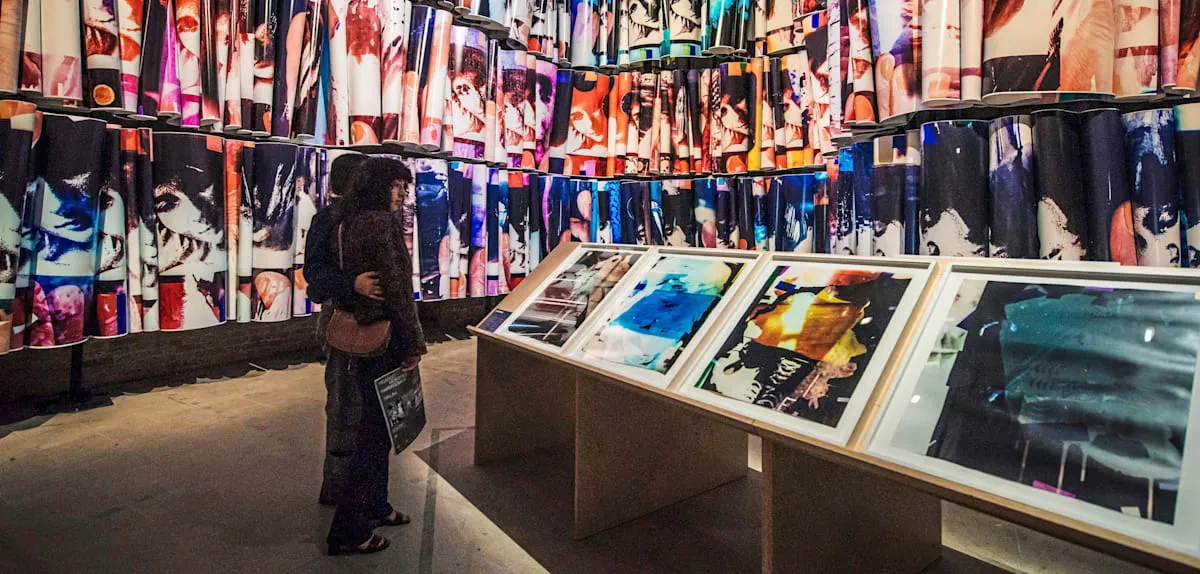
JAKARTA – A dramatic transformation is sweeping the global abstract art world, where works originally intended to shock and provoke are now questioned for their essence after evolving into a mass commodity. This phenomenon, observed in various international galleries and art markets, has sparked fierce debate about the loss of abstract art's ability to evoke true wonder and profound thought, as it increasingly dominates as living room decor.
Abstract art, which initially emerged as an artistic revolution, was fundamentally designed to challenge visual and intellectual conventions. Its pioneers, such as Wassily Kandinsky and Piet Mondrian, sought to liberate art from literal representation, exploring pure emotions and philosophical ideas through color, form, and line. Their works were often intended to disrupt perceptions, encourage reflection, and even provoke strong emotional responses from viewers.
However, in the contemporary era, that narrative appears to have shifted significantly. Major galleries in metropolitan cities like New York, London, and Paris are indeed bustling, displaying long rows of abstract paintings. Ironically, behind the crowds, a perception has emerged that the very essence of art has evaporated, leaving canvases that are empty of substantial meaning, despite being visually appealing with their colors and textures.
The commercialization of art has become a primary driver of this shift. Abstract art is now often judged not only by the depth of its concept but also by its suitability as an interior design element. Many modern abstract works are created with marketability and decorative aesthetics in mind, rather than the narrative or provocative power that characterized their beginnings. This transforms art from a medium of expression into a globally marketable product.
This trend creates a dilemma for art critics and artists alike. On one hand, the democratization of access to art and the expansion of the global market can be positive. On the other hand, it risks eroding art's integrity, reducing it to mere consumer goods that are easily replaced and lose their intellectual allure.
The phenomenon of abstract art as a mass product is not without consequences. The art industry, once known for its ability to foster critical thinking and profound aesthetics, is now accused of focusing more on financial transactions than on artistic substance. The loss of surprise and the ability to spark wonder have become a central concern, transforming galleries from places of contemplation into showcases for commodities.
Some observers argue that this condition reflects a broader trend in modern society, where consumption speed and practicality often outweigh depth of substance. Art, which ideally should mirror and critique reality, is now at risk of being absorbed by the same wave of consumerism.
Nevertheless, not all abstract artists succumb to the current of commercialization. Many creators firmly maintain the principles of abstract art as a vehicle for experimentation and thought. They continue to strive to present challenging works, not merely decorative pieces.
This debate raises fundamental questions about the future of art. Will abstract art rediscover its provocative spirit, or will it continue to sail in the currents of a global market that demands aesthetic uniformity and marketability? The response from the art community, from curators to collectors, will determine the direction of this journey.
This discourse is not only about paintings but also about how society perceives and values non-material assets amidst market pressures. A deep reflection is needed to save abstract art from the trap of commodification that threatens to emasculate its true potential.
Editorial Insight: The transformation of abstract art from a provocative medium to a mass-produced item is a symptom of a larger dilemma in contemporary culture. It is not merely a decline in aesthetic quality but a reflection of how intrinsic values are often sacrificed for marketability. Revitalizing abstract art requires a fundamental re-evaluation of the purpose and values of artists, galleries, and the public, so that art can once again become a transformative force, not just a decorative commodity.