 Chris Robert
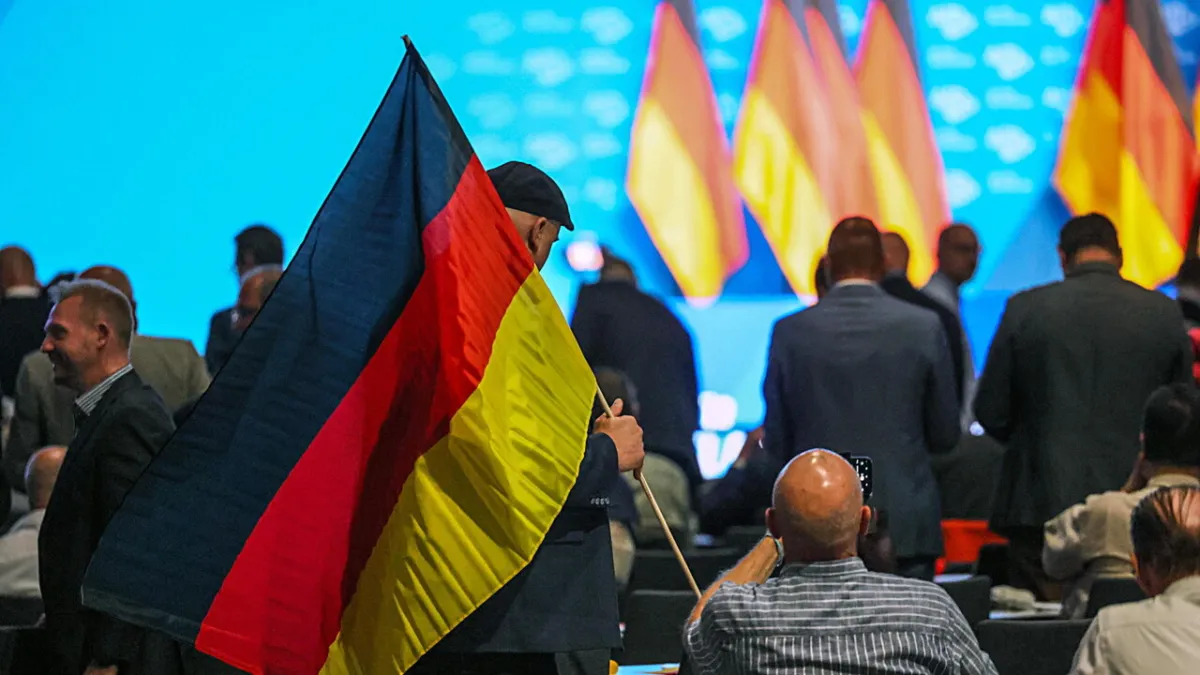
BERLIN — The far-right Alternative for Germany (AfD) party has made history by leading a public opinion poll in Berlin for the first time, securing 19 percent of voter support. This surprising result, placing them ahead of traditional parties such as the CDU and Die Linke, has immediately sparked intense debate regarding coalition formations and the political future of Germany’s capital. Nevertheless, a strong consensus among established parties indicates a firm refusal to ally with the AfD, creating a serious dilemma for governmental stability.
The significant rise of the AfD in Berlin’s voter preferences cannot be understated. It signifies a notable shift in electoral sentiment, especially amid various domestic and global issues plaguing Germany. This phenomenon compels analysts and politicians to re-evaluate their strategies in confronting the strengthening wave of right-wing populism.
This latest survey data, released in early 2026, highlights the growing appeal of the AfD among voters frustrated with current government policies and issues such as inflation, immigration, and the energy crisis. The CDU and Die Linke, which previously dominated Berlin’s political landscape, now face an uphill battle to regain eroding public trust.
The refusal of other parties to form a coalition with the AfD is not new. Since its emergence, the AfD has been ostracized by Germany’s mainstream political spectrum due to its often-considered extremist views, particularly on immigration and national identity. This stance is expected to remain a major impediment for the AfD to directly hold executive power.
This ‘cordon sanitaire’ or political isolation of the AfD, while aiming to preserve liberal democratic values, paradoxically reinforces the party’s image as an 'outsider' daring to challenge the establishment. This sometimes attracts voters seeking radical alternatives to mainstream parties.
A political observer from Humboldt University Berlin, Dr. Anna Schmidt, stated, 'The AfD’s achievement in Berlin is a stark warning to traditional parties. It’s not just about numbers, but a deep reflection of public dissatisfaction with political responses to crucial issues. While isolation is a valid strategy, other parties must demonstrate that they can address these problems more effectively.'
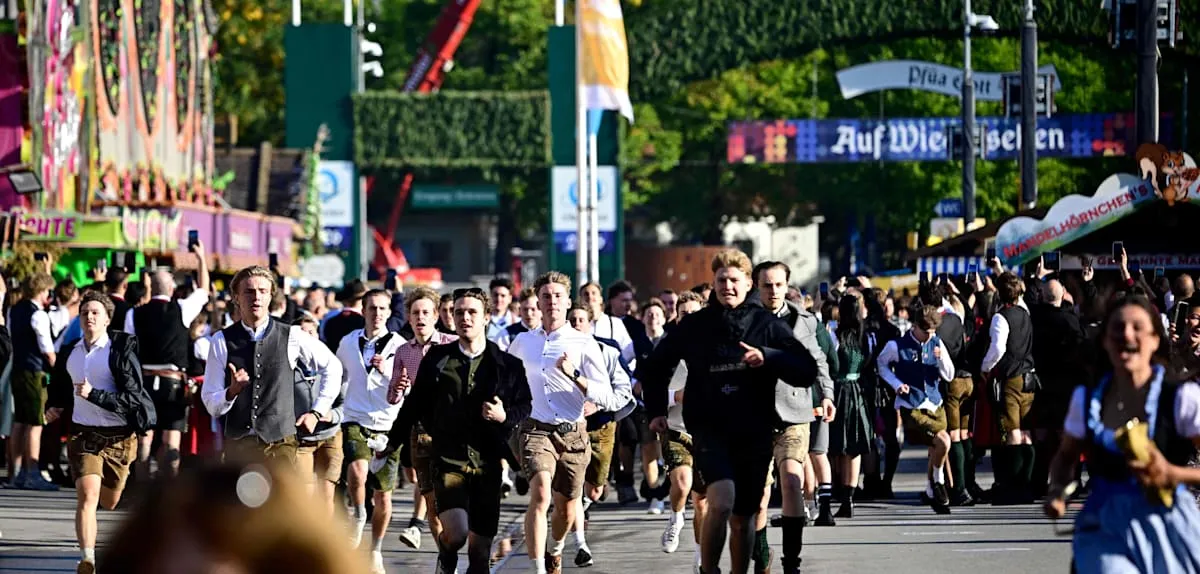
The context of increasing AfD support in Berlin also needs to be viewed within the broader picture of social challenges in Germany. Issues such as rising youth brutality and increasing social tensions in several major cities may contribute to shifts in political preferences.
The future of Berlin’s government remains a major question mark. With the AfD leading but isolated, forming a stable coalition will become increasingly complex. Other parties may have to seek innovative ways to forge a majority alliance without the AfD, or face the possibility of prolonged political deadlock.
Leaders of the CDU and Die Linke promptly issued statements reaffirming their commitment to working for the interests of Berlin’s citizens, while implicitly criticizing the narrative put forth by the AfD. They pledged to analyze these survey results in depth to formulate more adaptive strategies.
This situation also recalls debates surrounding scandals and controversies in the public sector, which are sometimes leveraged by opposition parties to rally support. Public distrust of certain institutions can easily translate into support for political entities promising radical, albeit often unrealistic, change.
The rise in popularity of this far-right party is not an exclusive phenomenon to Berlin. Across Germany, the AfD has shown significant gains in regional and national polls, signaling a broader shift in the German political landscape.
This dynamic also raises questions about Germany’s legacy of liberal democracy, considering the country’s history. How established parties respond to the challenge from the AfD will determine Germany’s stability and political direction in the coming decade, as reflected in discussions about the legacy of liberal thinkers in the past.
The German federal government, under the leadership of the current Chancellor, also faces pressure to address the root causes of the dissatisfaction fueling the AfD’s rise. More inclusive and responsive policies to public concerns might be key to dampening the wave of support for extremist parties.
Mainstream parties also need to consider their communication strategies. Too often overlooking or downplaying voters’ concerns can further alienate them and push them into the arms of parties like the AfD, which offer radical, though often unrealistic, solutions.
Now, the primary focus will shift to how the CDU, SPD, and Die Linke will respond to this trend. Will they form a larger coalition to counter the AfD’s influence, or will they attempt to win back voters with bolder policies? The answer will shape the political future of Berlin and Germany.