 Demian Sahputra
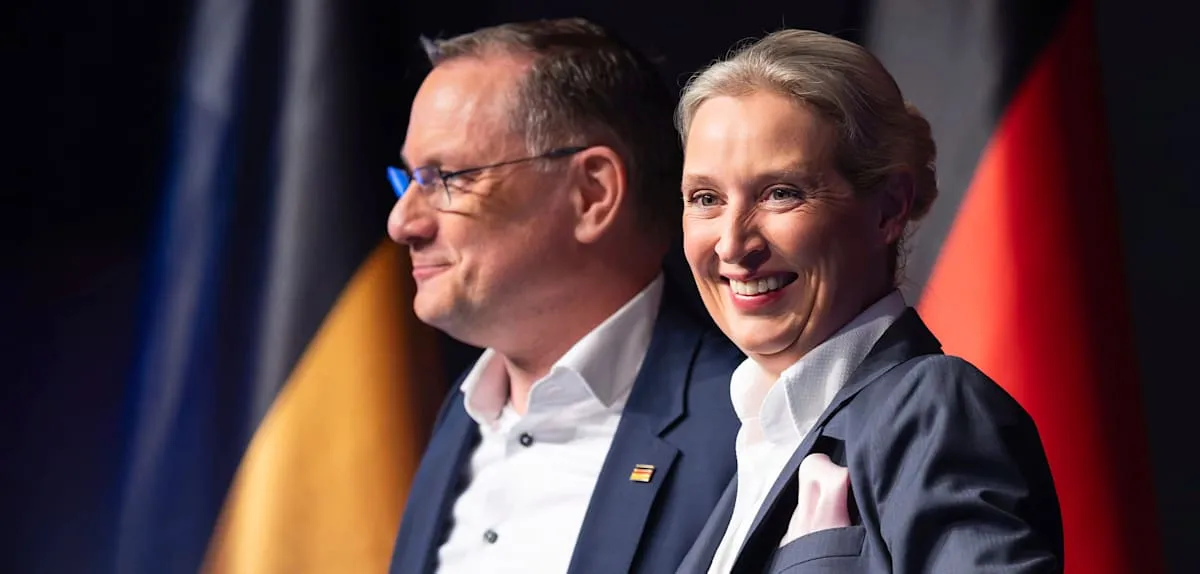
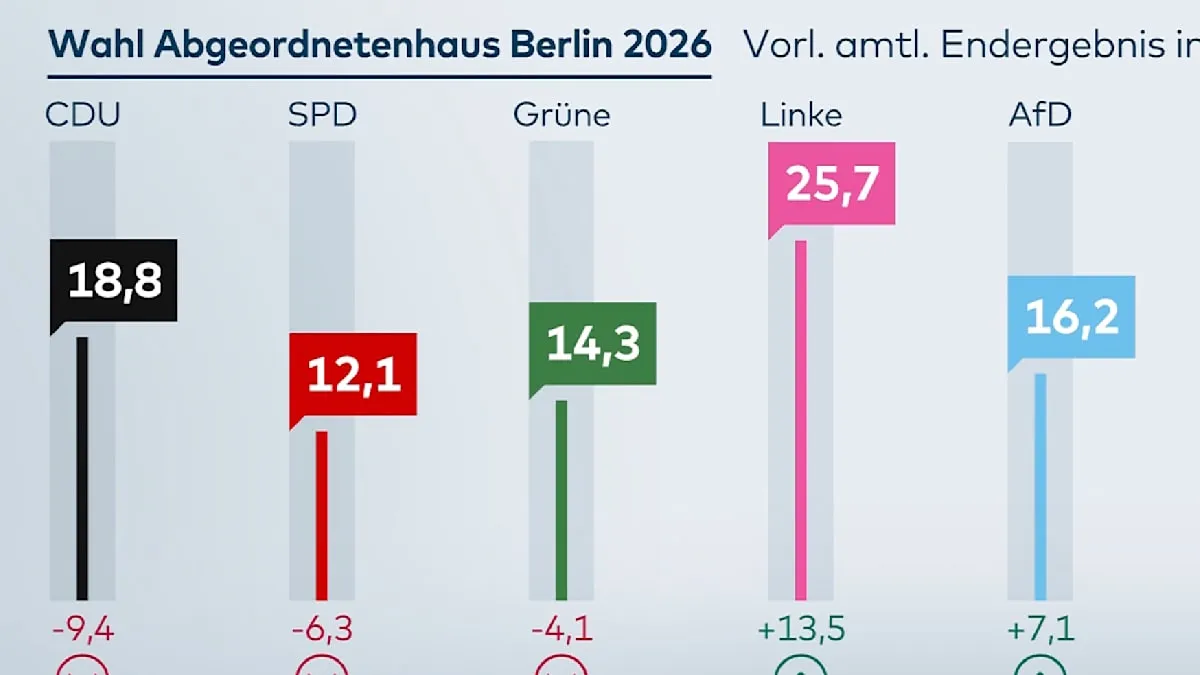
BERLIN – The Alternative for Germany (AfD) party has achieved a new record in public support, significantly outperforming the conservative Christian Democratic Union/Christian Social Union (CDU/CSU) coalition. The latest Deutschlandtrend survey in 2026 reveals a drastic decline for the Union, which now registers its lowest level since Armin Laschet's leadership. This political landscape shift occurs as a segment of voters indicates openness towards potential cooperation with the right-wing populist party.
The surge in AfD's popularity is not merely a statistical fluctuation but a reflection of profound shifts in German political preferences. The party has successfully mobilized support with strong platforms on immigration, energy policy, and European Union skepticism, a resonance that grows amidst global economic uncertainties this year.
Conversely, the CDU/CSU faces a profoundly challenging period. Deutschlandtrend data illustrates their support falling to levels last seen during Armin Laschet's campaign leading up to the 2021 federal election, a significant indicator of eroding voter trust. This decline signals immense pressure on the Union's leadership and communication strategies.
Political analysts highlight that this dramatic drop may stem from voter dissatisfaction with the federal government's—supported by the Union—responses to domestic and international crises. Issues such as inflation, energy prices, and foreign policy have come under sharp scrutiny, fueling anxieties within their traditional voter base.
“This situation is a stark warning for the CDU/CSU,” stated Dr. Klaus Richter, a political expert from Freie University Berlin, in an interview. “They must urgently re-evaluate their approach, or the risk of losing more support to the AfD will continue to rise, especially with the next federal election on the horizon.”
More concerning for established parties is the emergence of a segment of voters now open to the idea of cooperating with the AfD. This phenomenon, once considered taboo in German politics, is becoming an increasingly open public discourse. It suggests that the ‘cordon sanitaire’ strategy against the AfD might be fracturing in the eyes of some citizens.
Internal debates within the CDU/CSU on how to counter the AfD are intensifying. Some advocate for a firmer, clearer approach, while others argue that the Union must better address voters' concerns and present concrete solutions to stem the right-wing party's appeal. For instance, discussions around specific political maneuvers by Stefan Evers sparked internal CDU debate earlier this year.
The implications of this shift for future coalition formations are substantial. With the AfD strengthening, traditional coalition options may become more limited, potentially creating political impasses or forcing unprecedented alliances. This could fundamentally alter Germany's political landscape.
The Deutschlandtrend survey consistently serves as a crucial barometer of Germany's political mood. These latest results not only underscore the AfD's newfound strength but also highlight the vulnerability of major parties that have long dominated the national political stage. The ideological battle and struggle for power in Germany are set to intensify.
Editorial Insight: This dramatic shift in voter support indicates that Germany's mainstream parties must urgently devise effective strategies to address the root causes of public dissatisfaction, or they risk seeing the AfD further solidify its position as an undeniable political force. The challenge is not merely about winning votes, but also about restoring trust in democratic institutions amidst deepening polarization.