 Angel Doris
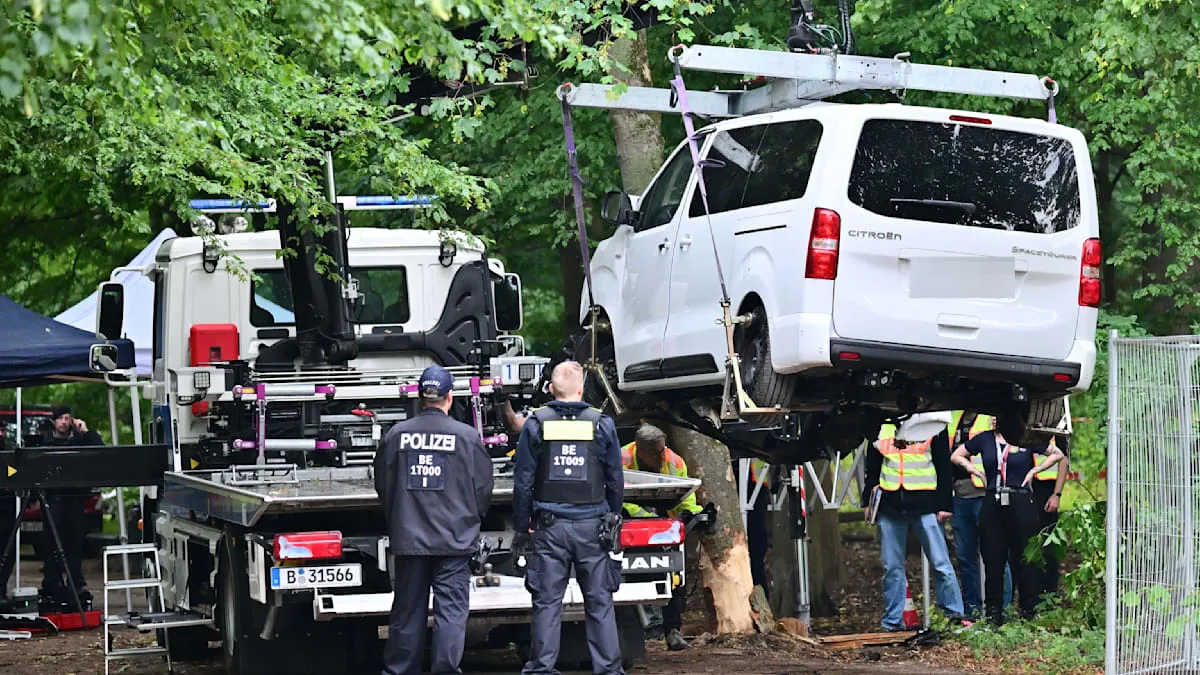
BERLIN — Federal Parliament member from the Alternative for Germany (AfD) party, Martin Hess, issued a scathing criticism following the attack on Christopher Street Day (CSD) in Berlin, urging the government to abandon its "deadly naivety" in confronting the threat of Islamism. The AfD's spokesman for domestic policy called for a "hard, resolute, and consistent" response to the danger of religious extremism, which he claims continues to undermine national security. The tragic incident at CSD 2026 has reopened an intense debate about the effectiveness of Germany's anti-terror strategy.
Hess emphasized that the state must no longer underestimate the real threat posed by Islamist groups. He explicitly stated, 'We must now truly recognize this danger as such, name it clearly, and act accordingly.' This statement comes amidst widespread public concern following the attack that targeted one of Europe's largest diversity celebrations.
Hess's comments echo a series of previous security incidents that also targeted similar celebrations. A report titled "Berlin Stirred: Islamist Terror Threat Looms Over CSD 2026 Celebration" previously highlighted early warnings of potential attacks. This situation has raised serious questions regarding the readiness of German security forces and intelligence agencies in protecting citizens from the threat of extremism.
Many feel that the German government, especially under the ruling coalition in 2026, has been too lenient or even negligent towards warning signs. Critics accuse a pattern of systemic failures that allowed suspected terrorists to act, as previously reviewed in the article "German Security Scandal: Why Could Suspected CSD Terrorists Act Freely?".
The AfD, through Hess, argues that a tougher, no-compromise approach must be a top priority. The party has long been vocal on issues of immigration and internal security, often linking the two with the rising threat of terrorism. This view, though controversial, gains support from segments of society who feel insecure.
The attack at CSD 2026 has become a turning point for the security discourse in Germany. It is not only about a local tragedy but also an indicator of a global trend where ideological extremism seeks to disrupt social cohesion and liberal democratic values. The government is now under immense pressure to demonstrate concrete and decisive steps.
Security experts and political observers underscore the urgency of reforms within intelligence agencies and law enforcement. They demand enhanced surveillance capabilities, inter-agency information exchange, and a review of policies that allow radical elements to proliferate. As revealed in "Experts Warn: Danger of Islamism Lurks in Germany, CSD Security Under Scrutiny", this threat has been a focus for experts for a long time.
Discussions about radicalization prevention and de-radicalization have also resurfaced. The government is expected not only to focus on post-incident enforcement but also on effective preventive efforts at community and digital levels. Education and social integration are seen as crucial pillars to curb the spread of extremist ideologies.
The future of German security policy will be largely determined by the government's response to the CSD 2026 incident. Whether the call to end "deadly naivety" will be heeded, or whether the country will revert to perceived ineffective handling patterns, remains a major question awaiting public answers. Decisiveness in facing this threat is a necessity, to maintain peace and security for all German citizens.
The Federal Parliament and relevant institutions are expected to promptly discuss strategic measures to strengthen security. The focus will not only be on increasing patrols or physical surveillance but also on early identification efforts and neutralizing potential active terrorist cells within Germany. Hess and the AfD will continue to monitor and voice their demands for the government to take more proactive action.