 Chandra Wijayanto

BERLIN — German Chancellor Olaf Merz has officially appointed Steffen Bilger as the new Transport Minister, succeeding Patrick Schnieder, after a multi-day delay that sparked various political speculations. The decision was announced following a rather protracted internal process.
This appointment has drawn public attention given the significant time lag between the previous minister's resignation and the announcement of his successor. This situation, according to some observers, highlights challenges in cabinet consolidation amidst Germany's political dynamics in 2026.
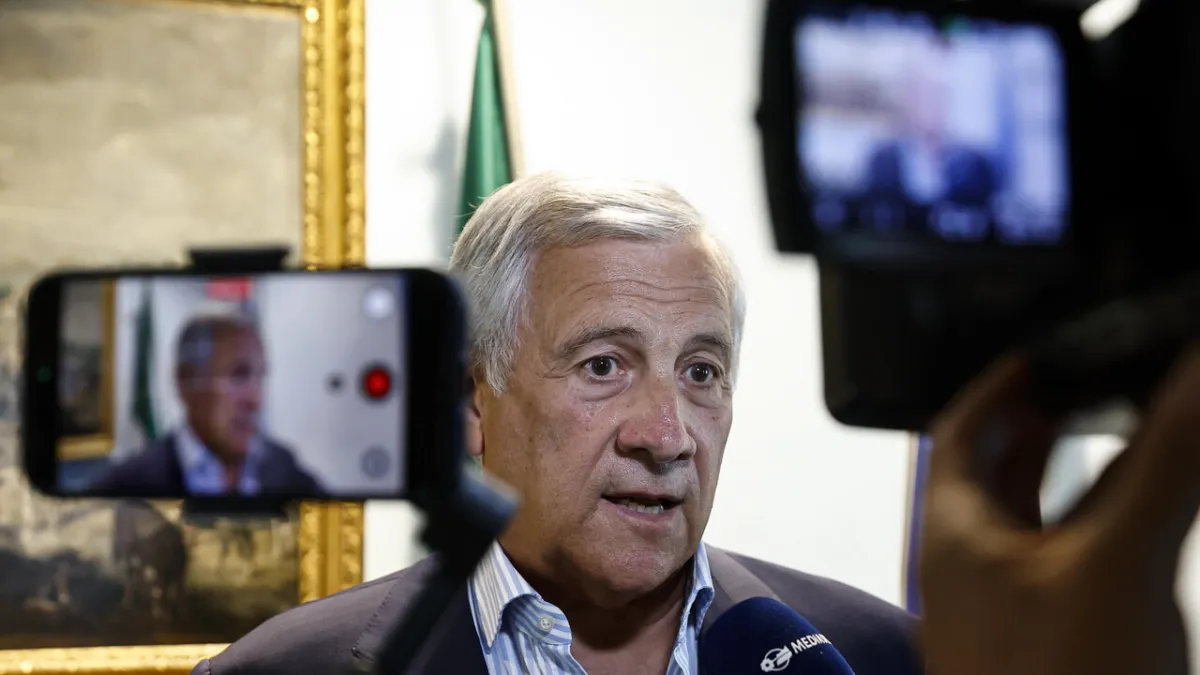
Daniel Peters, the lead candidate for the CDU party in the state election in Mecklenburg-Vorpommern, welcomed the decision. In his statement, Peters emphasized, "He is an absolute expert." This recognition underscores Bilger's reputation in both politics and the transport sector.
Steffen Bilger himself is no stranger to the German parliament. As a long-serving Member of Parliament, he is known for his solid track record in infrastructure and mobility issues. His experience is expected to bring a fresh perspective to the national transport sector.
The protracted waiting period for the position had previously raised concerns about the smooth operation and strategic policy-making. Chancellor Merz, while not explicitly quoted in the official release, is believed to have wished for a smoother appointment process without significant hurdles.
In response to this appointment, some political figures, such as MP Wolfgang Kubicki, had previously voiced sharp criticism of the process. German Cabinet Controversy: Kubicki Criticizes Bilger's Appointment as Transport Minister is one article reflecting that fierce debate.
The German Ministry of Transport faces several major agendas, ranging from modernizing rail and road infrastructure, developing sustainable transport, to addressing the challenges of energy transition in the mobility sector. Bilger is expected to navigate these ambitious agendas.
One pressing task is to address urban congestion and inter-regional connectivity issues, which remain serious problems. Innovation in public transport and investment in digital infrastructure will also be key priorities.
With his background expertise, Steffen Bilger is projected to make significant contributions. His diplomatic skills will also be tested in aligning the interests of various parties, from the automotive industry to environmental activists.
Now, the public awaits significant policy breakthroughs from the new Transport Minister. Bilger's performance will be a crucial indicator of Chancellor Merz's government's effectiveness in responding to mobility needs and infrastructure development across Germany.
This appointment also brings an end to the "hängepartie" or prolonged waiting situation. It is hoped that with definitive leadership, vital projects can promptly proceed, and Germany's future transport vision can be optimally realized.