WASHINGTON – The United States (US) government in early 2026 issued a strong warning to airlines worldwide concerning potential terrorist attacks orchestrated by Al Qaeda. US intelligence indicates that the extremist group is planning actions mirroring previous hijacking attempts, similar to incidents that once targeted routes to Tel Aviv. This alert has triggered a global increase in vigilance to secure international air travel.
This urgent warning, disseminated through US intelligence and aviation security agencies, is based on a careful analysis of Al Qaeda's internal communications. Intercepted messages suggest a strong impetus to launch operations that could significantly disrupt civil aviation.
The intelligence specifically highlights a modus operandi that could replicate hijacking scenarios. The motive is to create mass chaos and fear, as well as to provoke an overreaction in security responses, aligning with the objectives of terrorist groups in the past.
The US Department of Homeland Security and the Transportation Security Administration (TSA) immediately implemented additional security protocols. These measures include enhanced passenger and baggage screenings, increased surveillance in airport areas, and close coordination with international partners.
Several new security measures have been put in place at various international airports, including increased patrols and the use of advanced scanning technologies. Airport authorities are encouraged to share intelligence information in real-time to prevent undesirable incidents.
The reference to a previous hijacking attempt on a flight to Tel Aviv underscores the pattern of attacks Al Qaeda seeks to replicate. That historical incident, though thwarted, serves as a blueprint for the group in planning future operations. A focus on sensitive routes could be an indicator of potential targets.
This warning also has implications for flight routes passing through vulnerable regions or those with geopolitical significance. Airlines are instructed to review security procedures and tighten oversight of any suspicious activities.
A spokesperson for the US Department of State declared, We will not underestimate this threat. Global coordination is key to keeping the skies safe. This statement affirms the US commitment to cooperate with other nations, including Interpol and international civil aviation organizations, given the complex geopolitical dynamics as seen in routine summits involving the US, Russia, and China.
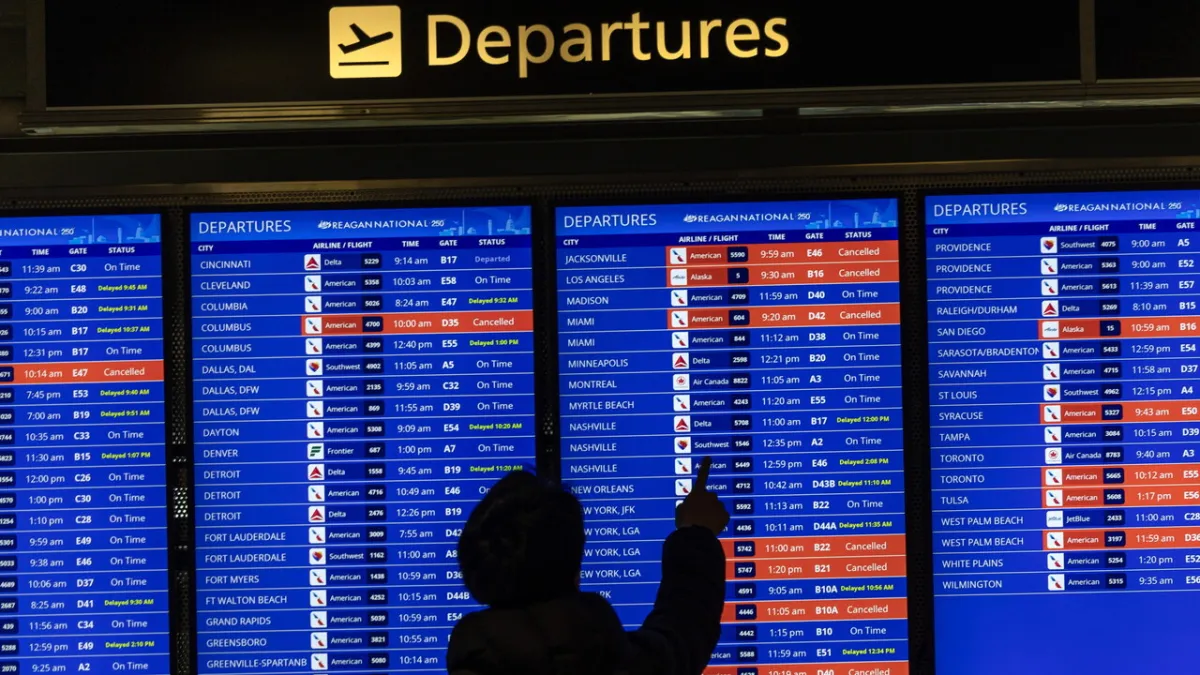
The heightened threat is expected to impact flight schedules and passenger experiences. Delays and more stringent screenings are likely at various airports as part of preventive efforts.
The international community is urged to remain calm but vigilant. Updated information regarding flight status and security guidelines can be accessed through official airline channels and aviation authorities.
This threat once again highlights the complexity of the ever-evolving global war on terrorism. Prevention efforts require continuous adaptation to new tactics employed by extremist groups.
Editorial Insight: The US warning regarding Al Qaeda's threat to aviation in 2026 is not merely a routine alert but a reflection of evolving terrorist group strategies post-pandemic. With the potential to disrupt the transportation sector and economy, this threat demands a coordinated multinational response. The effectiveness of mitigation will heavily depend on accurate intelligence sharing and the implementation of adaptive security protocols, without causing unnecessary panic. Society and the aviation industry must prepare for a new era of vigilance.