 Angel Doris
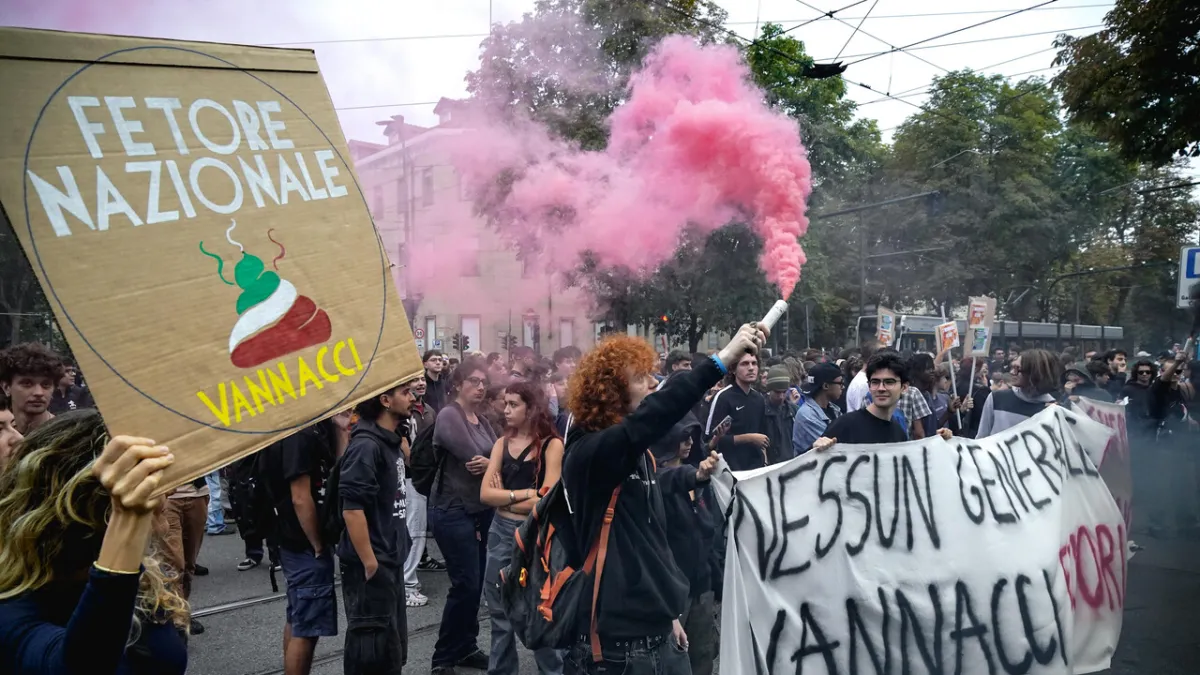
ROME – Tensions flared in the Italian capital as demonstrators from various social centers launched a protest against General Roberto Vannacci. What began as a peaceful gathering at a designated protest site suddenly escalated, marked by eggs thrown at security forces and culminating in a long march through the city's heart in 2026. This incident highlights the deepening social and political polarization in Italy, particularly concerning the controversial views espoused by Vannacci.
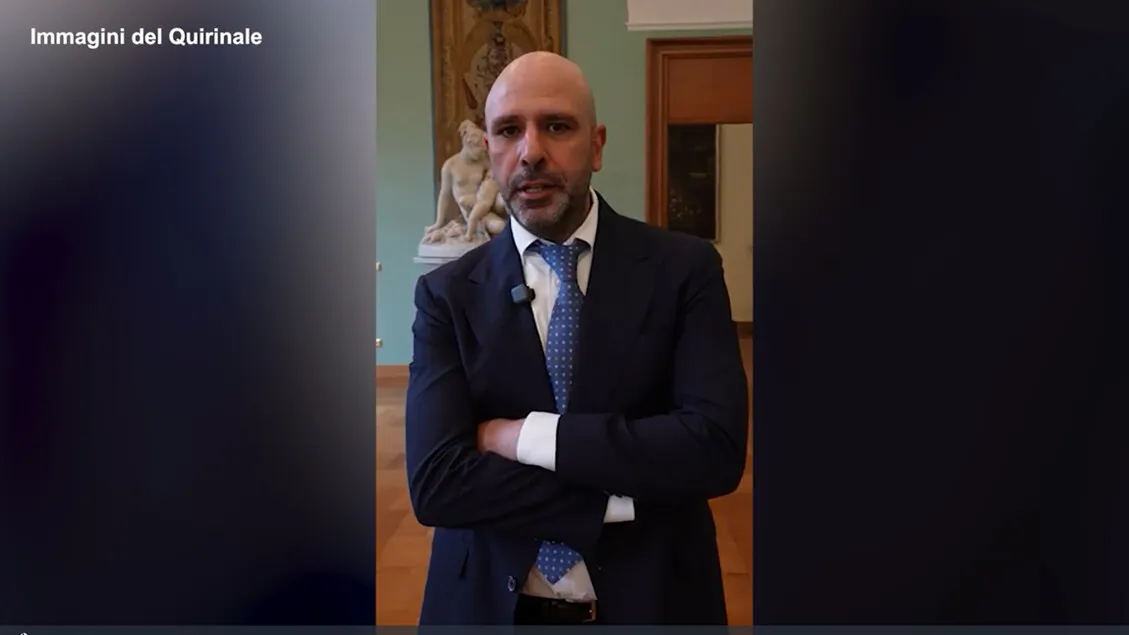
General Roberto Vannacci, a military figure now active on the political stage, continues to be a magnet for controversy. Since the publication of his book Il Mondo al Contrario (The World Upside Down), his views, widely considered ultra-nationalist, xenophobic, and discriminatory towards minority groups, have frequently sparked public outrage. This latest protest serves as a fresh manifestation of strong rejection against an ideology perceived as threatening the values of inclusivity and democracy in Italy.
The demonstration commenced at a strategic location designated as an anti-Vannacci assembly point. Hundreds of activists, students, and representatives from social centers gathered from early morning, carrying banners and chanting anti-racism and anti-fascist slogans. They demanded that discourse perceived to spread hatred should not be afforded a platform in Italian public debate.
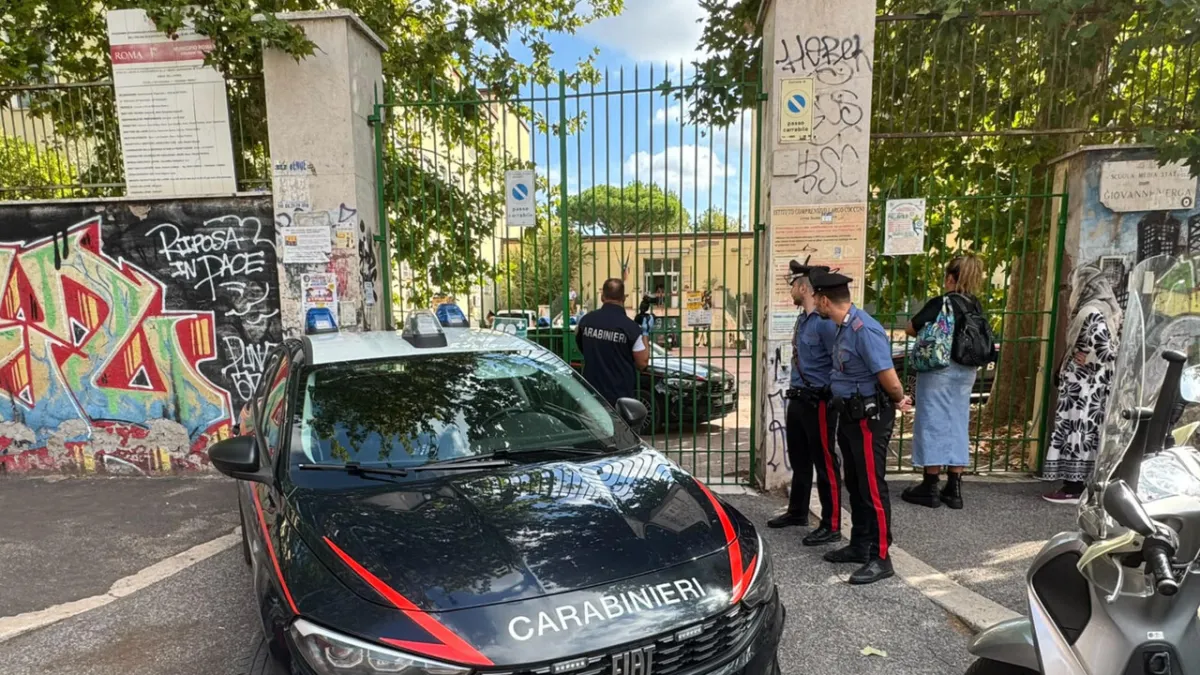
The situation dramatically changed when verbal confrontations with lines of security forces began to intensify. Several individuals among the demonstrators, allegedly from anarchist groups, provocatively threw eggs at the officers. This act immediately prompted a response from the police, who promptly tightened their formation and apprehended several individuals involved in the act of vandalism.
The Carabinieri and Polizia di Stato forces on guard at the location worked strenuously to de-escalate the tension. Despite the egg-throwing incident, authorities endeavored to prevent the situation from escalating into a larger physical confrontation. They utilized shields and defensive formations to protect themselves while controlling the crowd.
Following the incident, most demonstrators decided to disperse from the initial protest site and form a long procession. They then commenced a corteo or march, moving through Rome's main streets, causing traffic disruption but remaining under strict police escort. This march served as a continuation of their message of rejection, bringing issues of social justice and equality to a broader public sphere.
A spokesperson for one of the involved social centers, Marco Rossi, stated, We will not stand by as the fundamental values of our society are eroded by rhetoric of hatred. Our action is a form of civil resistance against all forms of intolerance. This statement underscored the demonstrators' commitment to continue voicing their opposition.
This incident is not the first of its kind in Italy. The country frequently faces challenges in maintaining public order amidst volatile demonstrations related to sensitive issues. Such conflicts reflect complex social dynamics, where freedom of expression often clashes with the boundaries of hate speech that can ignite communal tensions. Another example, a case of religious hatred, also previously embroiled Italy in serious debates about tolerance.
The Italian government has yet to issue an official statement regarding this egg-throwing incident. However, incidents of this nature typically prompt authorities to re-evaluate demonstration security strategies and law enforcement against anarchic acts, without disregarding citizens' constitutional right to express their opinions.
Political observers suggest that Vannacci's popularity, despite being controversial, reflects a segment of Italian society that feels marginalized or unrepresented by mainstream narratives. This creates an opening exploited by figures with populist rhetoric, which in turn can trigger a backlash from groups who feel threatened.
Editorial Insight: This event in Rome is more than just a clash between demonstrators and police. It is a reflection of the struggle over identity and values within modern Italian society. As figures like General Vannacci continue to gain a platform, the pressure on democratic institutions to balance freedom of expression with the protection of vulnerable groups will intensify. This egg incident may seem minor, but it signals a heating up of political and social temperatures that all parties need to seriously consider.