 Demian Sahputra

GERMANY – Healthcare institutions in Germany are facing serious challenges that necessitate strict security protocols, including police involvement. An emergency nurse recently revealed that hospitals routinely call the police as soon as specific surnames, often identified with Arab clan members, arrive for emergency medical treatment. This phenomenon highlights the complexity of maintaining order and security in public facilities.
The nurse, whose identity remains confidential for security reasons, detailed the enormous effort required when individuals from certain clans are admitted. He emphasized that vigilance is a top priority. 'As soon as certain surnames are mentioned, we immediately call the police,' he stated, underscoring the urgency of the action.
The obligation to involve law enforcement is based on a history of previous incidents and potential threats that may arise. Hospitals reportedly have a list of family names or specific indicators that trigger this rapid response, especially when the patients are young Arab men requiring emergency care.
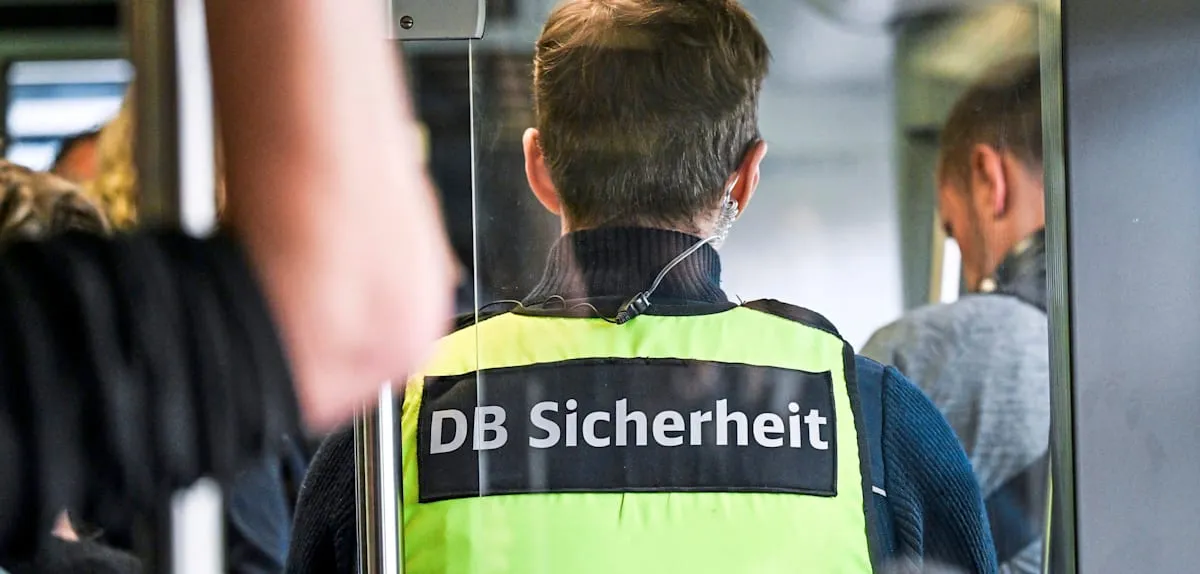
'We take specific precautions,' the nurse added, without detailing the precise measures implemented. However, these could include increased internal security staff presence, strict surveillance, or even separating patients from general areas to prevent potential disturbances or confrontations within the medical environment.
This situation raises significant questions regarding patients' rights to receive non-discriminatory care versus the hospitals' need to ensure the safety of staff and other patients. A hospital environment should be a sanctuary, yet these social dynamics force significant operational adaptations.
This practice indicates the widespread influence of organized crime groups or specific clans within German society, extending into essential sectors like healthcare. The impact is not only on operational costs but also on the morale of medical staff who must work under constant pressure.
Some stakeholders argue that this policy, although controversial, is a pragmatic response to existing realities. The physical safety of medical staff and the smooth functioning of emergency services cannot be compromised, especially in the face of potential violence or intimidation.
This incident is not an isolated case. Various media reports in Germany have repeatedly highlighted issues concerning integration challenges and the existence of powerful clan structures, sometimes operating outside legal boundaries, in several communities. Inter-clan conflicts or conflicts between clans and state institutions often lead to escalations of violence.
Debates surrounding the handling of such groups continue. Some call for a more assertive approach from the state, while others emphasize the importance of more inclusive integration programs and crime prevention. This situation also resonates with issues discussed in other articles concerning refugees in Germany, where government policies face similar challenges in managing social diversity. For instance, discussions related to the future of thousands of Syrian refugees threatened with deportation from Germany, a controversial policy that also reflects the government's efforts to manage immigrant populations. (Read more).
Medical emergencies should ideally be free from irrelevant third-party interventions. However, the experiences of nurses show that for certain cases, police intervention becomes an integral part of standard procedure to ensure the safety of all parties. This step, however unideal, reflects a forced adaptation to maintain the vital functions of the healthcare system.
Editorial Insight: The German hospital policy involving police when dealing with patients from specific clans exposes layers of complexity in addressing organized criminality. This is not merely a medical issue but a reflection of broader socio-political challenges. While potentially effective in the short term, this approach risks fostering stigma and raising questions about procedural justice. Governments and relevant institutions must seek long-term solutions that prioritize integration, fair law enforcement, and protection for healthcare workers without sacrificing the principle of equitable access to public services.