 Gabriella
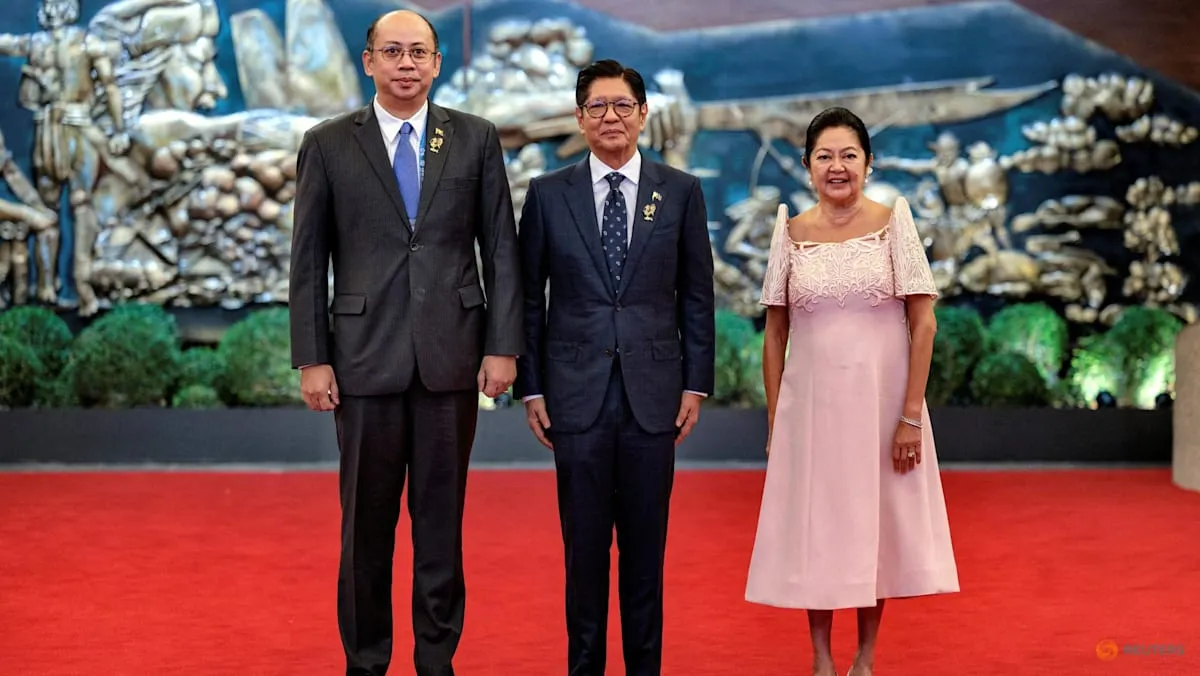
JAKARTA – The Association of Southeast Asian Nations (ASEAN) recently took a crucial diplomatic step in 2026, maintaining restrictions on Myanmar's military junta while significantly opening the door for bilateral approaches among member states. This decision, agreed upon amidst Myanmar's protracted political crisis, marks an evolution in the regional bloc's strategy for addressing internal conflicts within its member countries, balancing isolationary pressure with more flexible opportunities for dialogue.
This move comes after a long period during which ASEAN faced criticism for its handling of the Myanmar crisis post-military coup. The ten-nation bloc has excluded high-level representatives from Myanmar's military junta from key ASEAN meetings, affirming its stance against the regime's legitimacy. This has been part of ASEAN's efforts to pressure the junta to implement the Five-Point Consensus agreed upon in April 2021.
However, this latest development indicates a new nuance. Although formal restrictions remain at the ASEAN level, the endorsement of bilateral outreach by member states constitutes a breakthrough. It suggests a recognition that collective strategies alone may not have been effective enough to break the political deadlock in Myanmar.
To date, ASEAN's Five-Point Consensus, which calls for an immediate cessation of violence, constructive dialogue, mediation by a special envoy, humanitarian assistance, and a visit by the special envoy to Myanmar, has shown no substantial progress. The military junta has consistently denied full access to the special envoy and continues its severe crackdown on opposition.
This approval for a bilateral approach reflects pragmatism in addressing realities on the ground. Some ASEAN member states may have stronger historical, geographical, or economic ties with Myanmar, allowing them to explore avenues for dialogue that may not be possible through more formal multilateral channels.
Bilateral approaches could enable more effective delivery of humanitarian aid or the opening of informal communication channels that could help build trust. It is hoped this will penetrate the isolation that has long hampered Myanmar and complicated external intervention.
However, this decision also presents challenges. Some observers fear that bilateral approaches risk undermining ASEAN's unity and could partially legitimize the military junta, potentially weakening the collective pressure that has been built. ASEAN's unified voice is crucial in regional diplomacy.
ASEAN leaders reaffirmed their commitment to a peaceful resolution, but they also recognized that the path to stability in Myanmar requires a more adaptive strategy. This approach allows flexibility for member states to explore options consistent with their respective capacities and relationships, while upholding ASEAN's core principles.
ASEAN's previous efforts in dealing with Myanmar have always emphasized the importance of implementing the consensus. Related articles such as ASEAN Reaffirms Pressure on Myanmar: Peace Plan Continues to Be Pursued and ASEAN Strengthens Pressure, Urges Myanmar to Implement Peace Plan demonstrate consistency in this emphasis.
The crisis in Myanmar remains a central issue testing ASEAN's credibility and relevance as a regional organization. With this hybrid approach, ASEAN hopes to open a new chapter in its efforts to resolve the conflict, maintain regional stability, and promote long-term peace for the people of Myanmar.
Editorial Insight:
ASEAN's decision to endorse a bilateral approach to Myanmar is a high-stakes yet potentially game-changing move. It reflects a recognition of the limitations of conventional multilateral approaches in addressing a complex and deeply rooted crisis. If managed carefully, this approach could catalyze more intimate and constructive dialogue, ultimately leading to tangible change. However, a failure in coordination could weaken ASEAN's overall standing. The success of this strategy hinges heavily on the consistency of messaging and objectives among individual member states when engaging with Myanmar, avoiding fragmentation that would only benefit the junta.