 Demian Sahputra
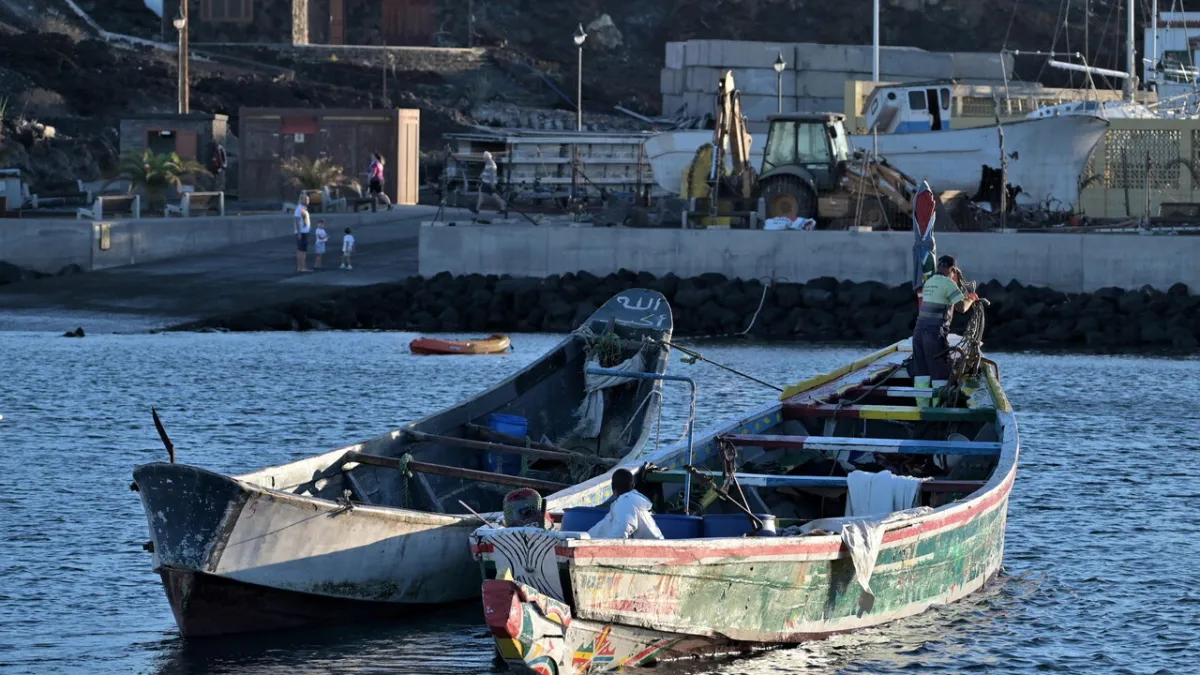
LAS PALMAS – A total of 80 migrants have been confirmed dead after a boat carrying 128 people drifted for 27 days in the Atlantic Ocean before being discovered off the coast of the Canary Islands. This humanitarian tragedy, stemming from a perilous journey from Gambia, left only 44 survivors and highlights once again the migration crisis on the sea route to Europe. Non-governmental organizations reported that among the deceased were three women and an infant.
This deadly journey began with hopes for a better life in Europe, but ended in profound grief. Migrants who desperately cross the Atlantic Ocean in makeshift boats often face immense risks, including starvation, dehydration, and exposure to extreme weather. This case adds to the long list of fatal incidents on one of the world's most dangerous migration routes.
According to initial reports from rescue teams, the boat's condition was dire, lacking adequate food or water supplies for such an extended journey. The delay in discovering the boat was a crucial factor in the high death toll. Rescue teams found the survivors in extremely weak physical condition and suffering from deep trauma.
Humanitarian organization Mediterranea Saving Humans, often involved in rescue operations in the Mediterranean and Atlantic, expressed deep concern over this incident. This is a bitter reminder of how brutal European immigration policies often ignore humanitarian aspects, said an unnamed spokesperson for the organization, referring to the inability to address the root causes of illegal migration.
Out of a total of 128 passengers who departed from Gambia, only 44 managed to be rescued. They are now receiving medical treatment and psychosocial support at emergency facilities in the Canary Islands. Spanish authorities are conducting an investigation to identify the human smuggling networks responsible for this tragic voyage.
The Atlantic migration crisis towards the Canary Islands has become a serious concern for the international community. Thousands of people annually attempt to reach Europe via this route, often using dilapidated boats unfit for sea. The main driving factors are conflict, extreme poverty, and a lack of opportunities in their West African homelands.
Similar events have occurred repeatedly. A previous article, Atlantic Migrant Tragedy: Dozens of Lives Lost After 27 Days at Sea, illustrates the vulnerability of these asylum seekers to the dangers of the ocean.
The UN and various humanitarian agencies are urging European nations to develop a more humane and comprehensive approach to migration. This includes increasing legal and safe migration pathways, as well as investing in development efforts in migrant origin countries to reduce the incentive for irregular migration.
These 80 migrant deaths once again trigger a global call for concrete action. This demand comes from various parties, including human rights groups and several progressive politicians in the European Union, who insist that such tragedies must not be repeated in the future. They emphasize that every lost life represents a collective failure of humanity.
Editorial Insight: This Atlantic tragedy is more than just a statistic; it is a reflection of systemic failures in addressing the global migration crisis. The loss of 80 lives, including women and children, must serve as a stark warning to policymakers in Europe and Africa. Long-term solutions require cross-continental collaboration, investment in sustainable development in origin countries, and the creation of legal and dignified migration pathways, rather than merely tightening borders, which only pushes migrants towards deadlier routes.