 Demian Sahputra
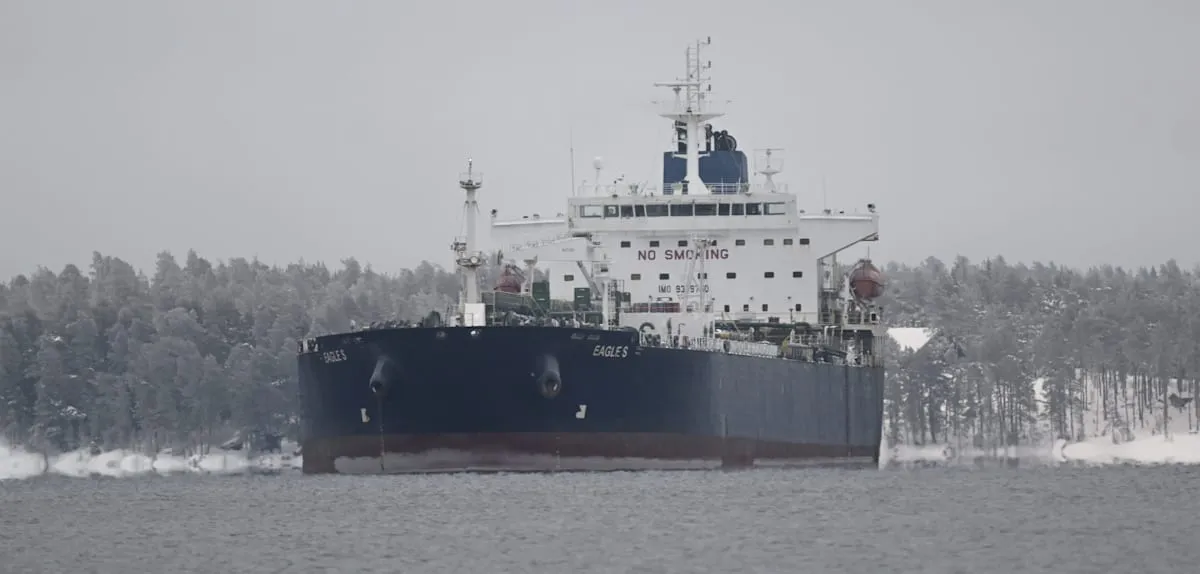
HELSINKI – Geopolitical tensions in Northern Europe have reached a critical point following a recent attack on a Russian-flagged cargo ship in the Baltic Sea. This incident, which sparked serious concerns about regional conflict escalation, occurred concurrently with a Russian attack on a mercantile ship south of Odessa, Ukraine. The Prime Minister of Finland, responding to these incidents, starkly stated that 'the war is expanding,' a warning that resonates through global power corridors.
The attack on the Russian cargo ship in the Baltic Sea, though specific details regarding its perpetrators and extent of damage remain under investigation, has sent shockwaves. This strategic region, bordering several North Atlantic Treaty Organization (NATO) member states and Russia, has always been a potential flashpoint for maritime conflict. Similar past incidents have triggered alerts, as covered in the article Baltic Ablaze, highlighting the vulnerability of shipping lanes in the area.
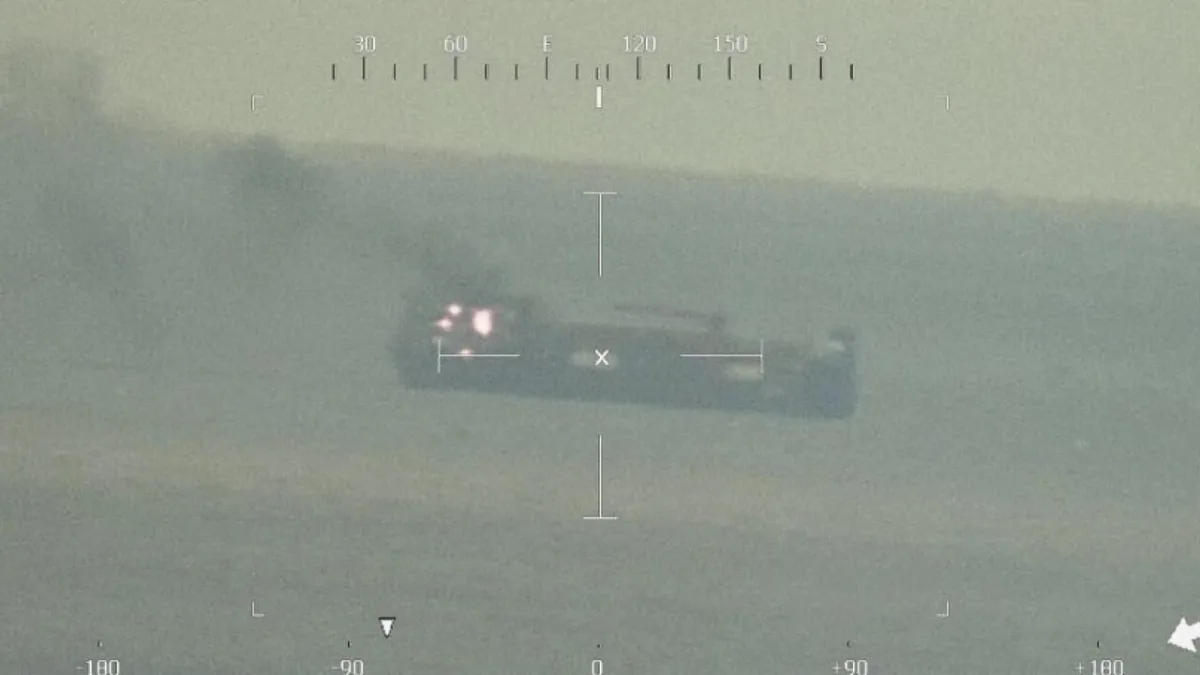
Meanwhile, escalation in the Black Sea also shows alarming signs. Intelligence reports confirm that Russian forces launched an attack on a mercantile ship in the vital waters south of Odessa. This event not only reaffirms Russia's attempt to control crucial maritime routes but also indicates an increase in aggression against civilian assets in the conflict zone.
The Finnish Prime Minister, with a serious tone, emphasized that 'the situation has evolved beyond a local conflict and now has the potential to trigger instability across the entire continent.' This statement reflects deep concerns among European leaders, especially the Nordic and Baltic states, who feel the direct impact of every military movement on their borders.
Finland, having recently joined NATO, now stands at the forefront of collective defense. Its geographical proximity to Russia means that every incident in the Baltic Sea carries significant security resonance. Finland's commitment to the alliance is now being tested by the increasing frequency of provocations in regional waters.
Geopolitical analysts note that attacks on both the Russian cargo ship and the Ukrainian mercantile are a strategy to test international reaction limits. 'These are classic maneuvers to see the extent of response from the international community and military alliances like NATO,' said Dr. Anya Petrova, a maritime security expert from the University of Helsinki.
The economic consequences of these escalating tensions cannot be ignored. The Baltic and Black Seas are major corridors for critical commodity trade, including energy and grain. Disruptions to these shipping lanes could lead to significant price surges in global markets, exacerbating existing inflationary pressures.
Governments across Europe and NATO immediately convened emergency consultations to assess the situation and formulate responsive measures. Several NATO member states have announced increased air and sea patrols in the Baltic region as a precautionary measure and assertion of presence.
Amidst these heightened tensions, calls for de-escalation and dialogue have re-emerged from various parties. Pope Leo XIV, from Vatican City, reportedly conveyed deep concern and urged all parties to exercise restraint to avoid the catastrophic prospect of a larger conflict in a fragile Europe.
Editorial Insight: The incidents in the Baltic Sea and Black Sea are a stark warning for European stability. The Finnish Prime Minister's statement is not mere rhetoric but a real reflection of the expanding scope of a conflict originally focused in Ukraine. Global powers, including the United States under President Donald Trump's leadership, will face complex diplomatic and military challenges in efforts to contain this escalation, while ensuring the security of vital international shipping lanes remains undisturbed. Without decisive and coordinated responses, Europe risks being drawn deeper into a vortex of uncertainty.