 Gabriella
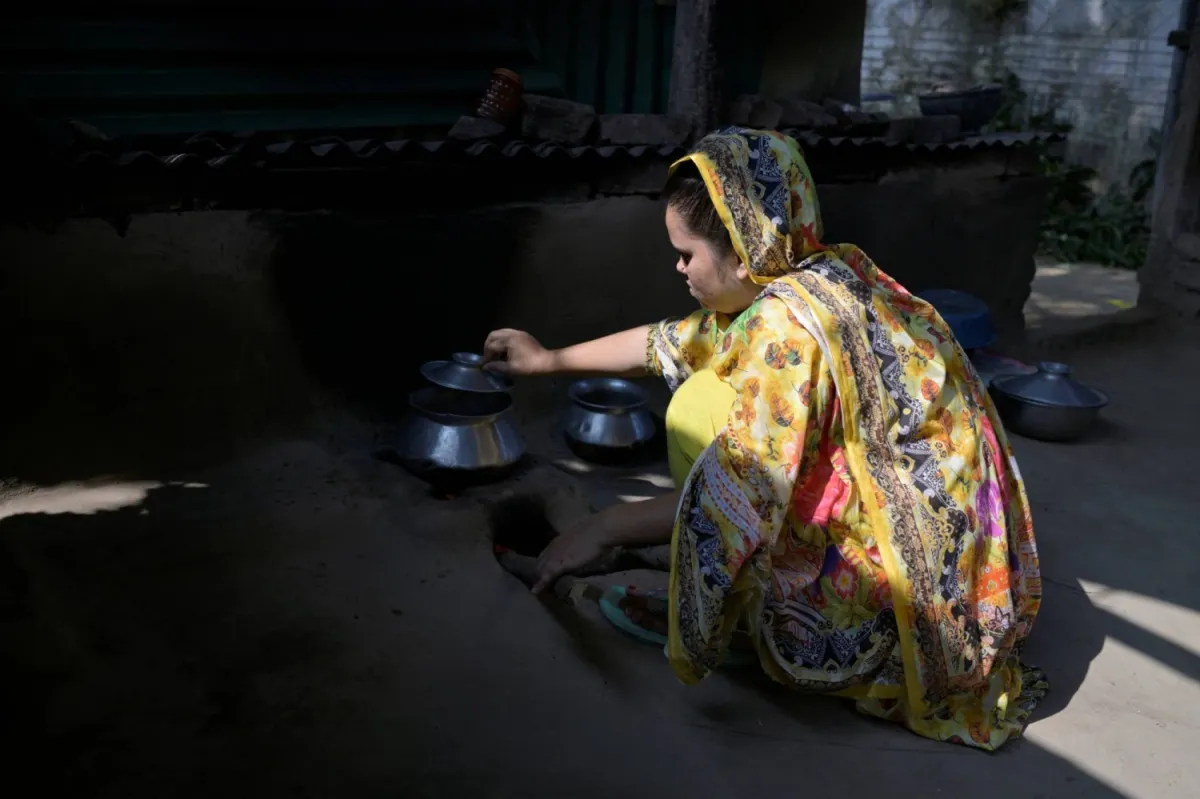
DHAKA – Thousands of garment factory workers in Bangladesh have staged massive protests, accompanied by clashes with security forces, in recent times. This wave of demonstrations has forced hundreds of production facilities to temporarily shut down, serving as a stark reflection of deep dissatisfaction with meager wages that fail to meet workers' basic needs. The crisis highlights the irony of the country's rapid garment industry growth.
The primary trigger for this unrest is the workers' demand for fair wages, a fundamental right now eroded by inflation and steadily rising living costs. Although Bangladesh ranks as the world's second-largest garment exporter, the financial conditions of its laborers have only worsened. Many are forced to cut spending on essential food and healthcare services.
The mass actions, involving thousands of workers, occurred sporadically across major industrial zones such as Gazipur, Ashulia, and Savar. Demonstrators, predominantly women, voiced their frustration over monthly salaries that hover around 8,000 taka (approximately 72 US dollars), an amount far below the minimum living standard.
Physical confrontations between workers and police became an unavoidable sight. Authorities used tear gas and batons to disperse crowds, while workers retaliated by throwing stones and blocking roads. These incidents not only caused physical damage to factory facilities but also resulted in injuries on both sides.
These conditions are not a new phenomenon for Bangladesh's garment industry. For decades, this sector, which forms the backbone of the nation's exports, has been marked by tensions between worker demands and factory owner policies. However, the scale and intensity of the current protests indicate an accumulation of grievances that has reached a boiling point.
Labor activists state that previously made promises of wage increases were never adequate or fully realized. They emphasize that while global fashion brands continue to record fantastic profits, the vital contributions of workers at the upstream end of the supply chain are often overlooked and unfairly compensated.
The impact of this unrest is widespread, affecting not only workers but also the national economy. Factory closures threaten production targets and order deliveries, potentially harming Bangladesh's reputation as a stable and efficient garment manufacturing hub in the eyes of international buyers.
The Bangladeshi government is under immense pressure to find sustainable solutions immediately. Tripartite dialogue among the government, the garment manufacturers' association (BGMEA), and trade union representatives is crucial to prevent a wider escalation of conflict. Without meaningful intervention, the country's social and economic stability could be jeopardized.
For many workers, the decision to protest is not an easy one. It represents a desperate response to a situation where they must choose between buying nutritious food or paying for medical care for their families. These heartbreaking stories form a bitter narrative behind the glamorous facade of the global fashion industry.
The international community is also beginning to focus on the conditions of garment workers in Bangladesh. Human rights organizations and global trade unions are urging major fashion brands to take responsibility for their supply chains and ensure that fair wages and humane working conditions are upheld. Consumers in developed countries are increasingly aware of the ethical production behind the clothes they wear.
This is not merely an economic issue but also a matter of social justice and human dignity. An industry that promises prosperity for a nation should not be built upon the suffering of its own citizens. The government and stakeholders must act quickly to address the root causes of these problems, rather than just alleviating the symptoms.
Editorial Insight: The wave of garment worker protests in Bangladesh is more than just a minor ripple. It serves as a loud alarm for the global fashion ecosystem and the Bangladeshi government. If the minimum wage is not realistically adjusted to the cost of living, and worker protection mechanisms are not strengthened, the stability of this export-reliant industry will remain threatened. Temporary solutions are no longer sufficient; structural reforms are needed to ensure justice for the workers who are the unsung heroes behind the success of renowned brands. Without this, the 'boom' of Bangladesh's garment industry will always be accompanied by poignant tales of oppression and poverty.