 Robert Andrison
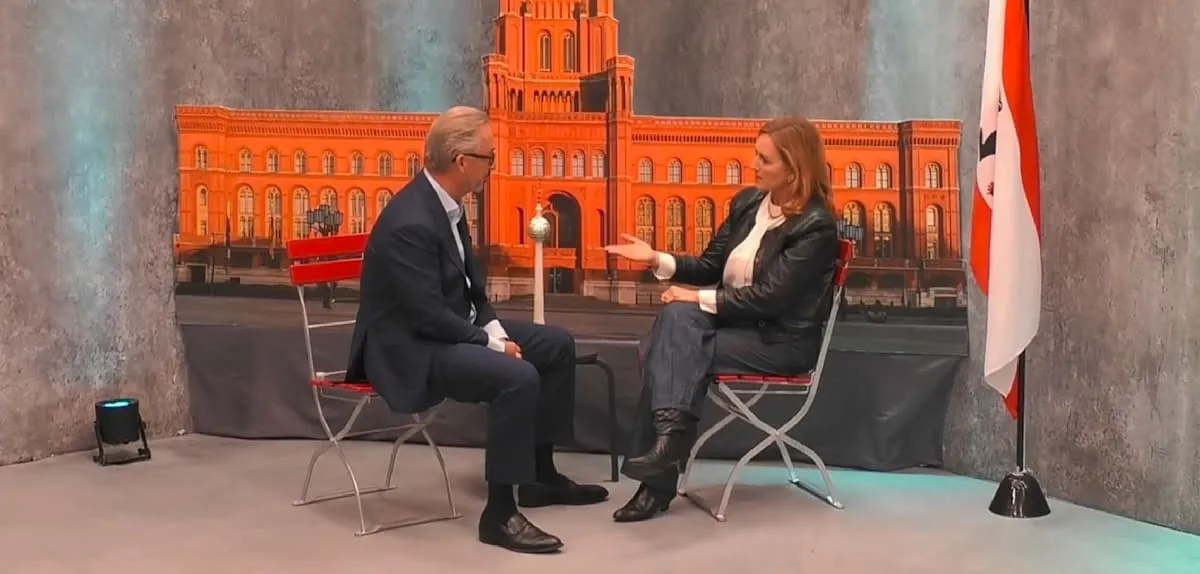
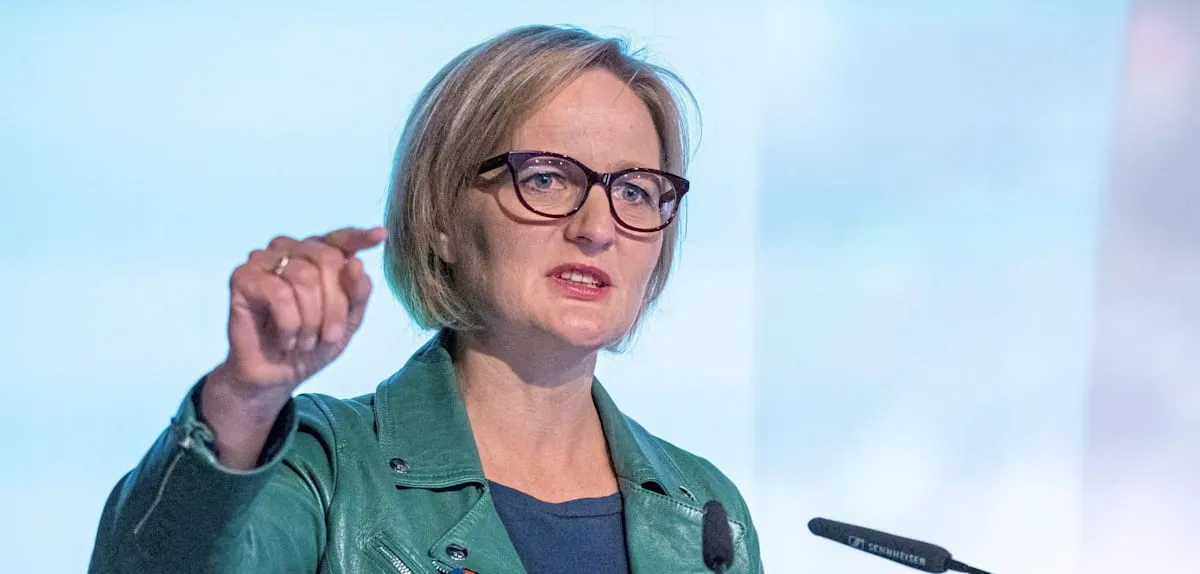
BERLIN – Senior Left Party (Die Linke) politician Caren Lay has emphatically proposed the nationalization of property ownership as a vital instrument to curb the soaring rent crisis in Berlin. This statement emerges amidst intense debate regarding the market mechanism's effectiveness in providing adequate housing, while also serving as Lay's reaffirmation against accusations of antisemitic tendencies that have shadowed certain factions within her party.
Lay, known for her vocal advocacy for social rights, argues that the belief in the market's ability to solve housing problems has empirically failed. She highlights how property speculation and the power of large corporations have exacerbated conditions, making it difficult for millions of citizens to access affordable housing in one of Europe's most dynamic capitals.
The housing crisis in Berlin is not a new phenomenon. Over the last decade, property rental and purchase prices have dramatically increased, far exceeding average income growth. This phenomenon has triggered waves of protests and political pressure to find radical solutions capable of addressing the root causes, rather than merely superficial handling.
Her proposal for property nationalization, also known as housing socialization, implies the takeover of property ownership by the city government or public institutions. The goal is to manage these dwellings for social benefit, not merely financial gain, thereby ensuring their availability at affordable prices.
Lay asserts that this step is not just political rhetoric but a concrete response to systematic failures that have rendered the market unable to serve the basic needs of society. She views state intervention as a moral and economic imperative in a deeply critical situation.
Nevertheless, Lay admits that implementing property nationalization will face significant challenges, particularly concerning financing. Questions regarding how property acquisition mechanisms will be funded and their financial impact on the city budget remain crucial points requiring further discussion and innovative solutions.
Economic and political observers in Germany view this proposal as a reflection of increasing ideological polarization in handling social issues. Conservative and liberal parties generally strongly oppose such a significant market intervention, fearing its impact on private property rights and the investment climate.
Beyond the housing issue, Lay also used this opportunity to explicitly distance herself from any antisemitic tendencies that might exist within the Left Party. She stated the importance of the party upholding anti-racism and inclusivity values, and rejecting any views detrimental to the Jewish community.
This statement comes at a sensitive time for Linke, which has often faced criticism and accusations regarding some members' positions on Israel and Jewish issues. Lay's affirmation serves as an effort to clear the party's image and ensure its commitment to social justice without compromising fundamental values.
Lay's firmness in addressing both these issues, the housing crisis and the party's moral integrity, reflects the complexity of the current political landscape in Germany. The ideological struggle to find solutions to structural problems is becoming increasingly apparent, shaping an intense and far-reaching public debate. To further understand Germany's domestic political dynamics, developments regarding the heated political battle over taxes can be reviewed.
Editorial Insight: Caren Lay's proposal for property nationalization in Berlin is more than a technical solution; it is a fundamental political statement. It challenges the basic premises of market economics and forces a re-evaluation of the state's role in guaranteeing citizens' basic rights. While financing challenges are clearly significant, this idea has the potential to spark similar discussions in other major cities facing housing crises, while simultaneously asserting the Left Party's ideological identity amidst Europe's shifting political landscape.