 Dodi Irawan
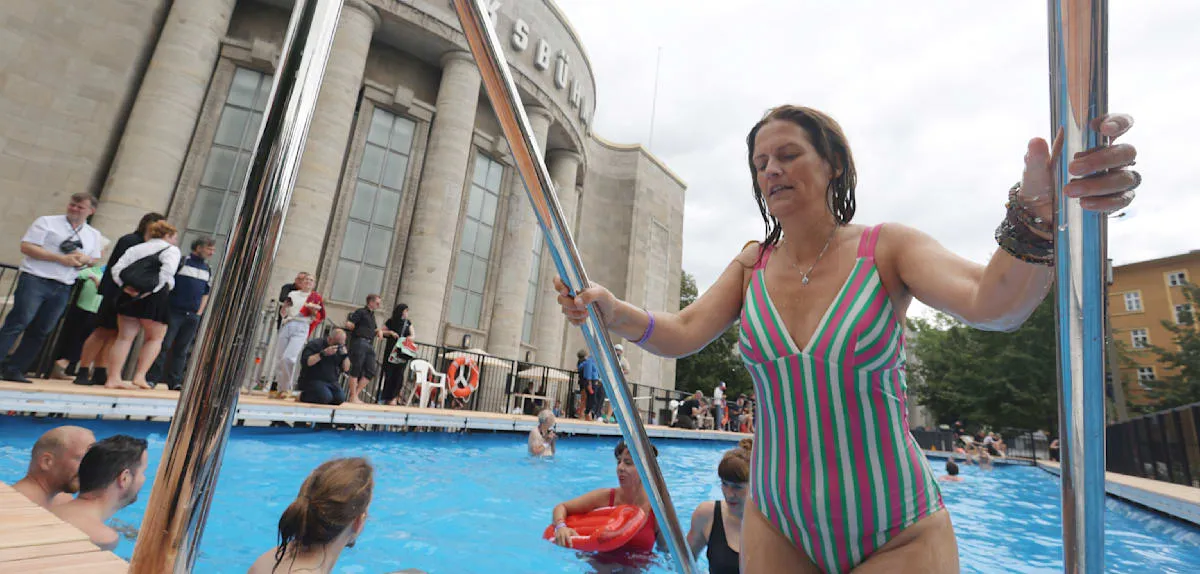
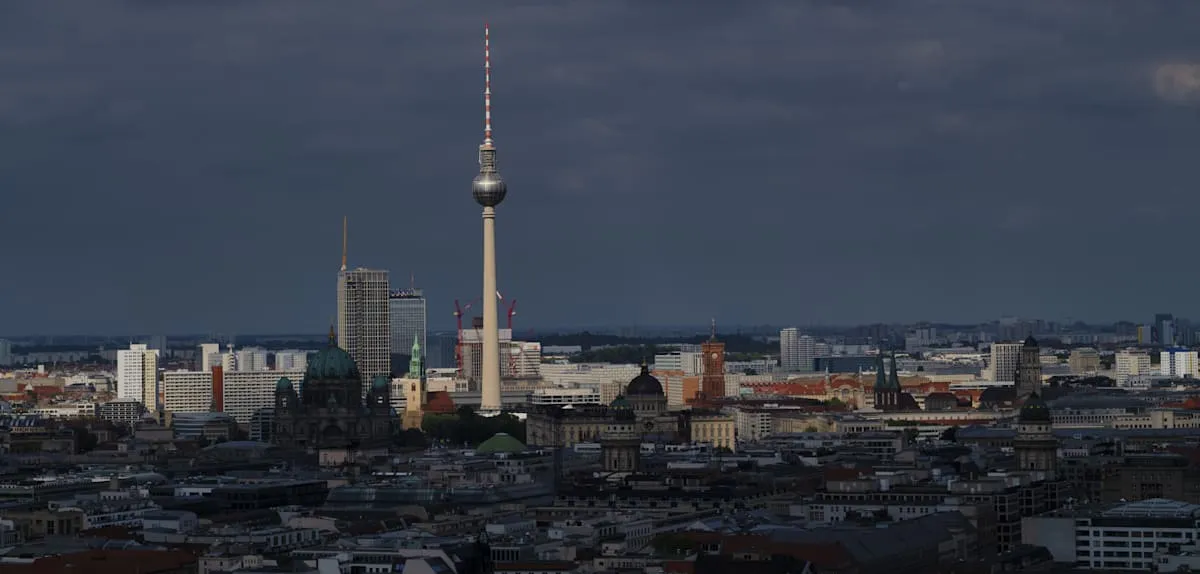
BERLIN – The city of Berlin recently opened a temporary free swimming pool on the forecourt of Volksbühne, drawing enthusiasm from residents and several politicians who participated in its inauguration. This initiative immediately garnered public attention, viewed as a symbolic political statement criticizing the increasingly concerning state of urban infrastructure.
The makeshift swimming pool, strategically located in the heart of the city, offers a free opportunity for anyone to swim, serving as an urban oasis amidst the hustle and bustle. The project is designed as both a public art installation and a seasonal recreational facility, operating throughout the summer of 2026.
The placement and free nature of this facility are not without significance. According to some local political observers, this step is a sharp critique of the city government's slow response in addressing basic infrastructure problems. Damaged roads, dilapidated bridges, and public facilities in need of renovation have been recurring complaints from Berlin residents.
The presence of politicians, who even took a dip in the pool during the opening, underscores the political dimension of the event. Their actions can be interpreted as an attempt to show concern, while implicitly acknowledging an issue they wish to highlight through this symbolic act.
However, behind the cheerfulness and the political message intended, a critical narrative emerges regarding the essence of such actions. Some argue that 'event-oriented' activities like this temporary swimming pool risk 'consuming themselves.'
The meaning of 'consuming themselves' refers to the phenomenon where short-term solutions or attention-grabbing symbolic actions can divert focus from deeper, more systemic root problems. Instead of triggering fundamental improvements, such initiatives merely become ephemeral spectacles that are quickly forgotten.
This argument reignites the debate about sustainable urban development strategies. Is it more effective to rely on temporary projects that spark dialogue, or is massive investment and consistent structural policies needed to restore and modernize existing infrastructure?
Public response to the free swimming pool varies. Many residents welcome the refreshing facility during the summer, appreciating the free access offered. However, quite a few also question, “Is this really a solution, or just a 'gimmick' to cover up a bigger problem?”
Public policy observers in Germany emphasize that drawing attention to infrastructure issues is indeed important, but it must be followed by concrete actions. Political symbolism, without adequate budget and clear execution plans, will only be empty rhetoric that fails to bring significant change.
The issue of aging infrastructure is not solely a problem for Berlin, but a global challenge faced by many major cities. The action at Volksbühne becomes a microcosm of a modern dilemma: how to balance the need for quick, attention-grabbing solutions with the demands of long-term improvements that are often less glamorous.
Editorial Insight: The temporary swimming pool initiative in Berlin reflects the complexity of modern political communication. While effective in drawing attention and sparking public discussion, the risk of meaning distortion is real. The true challenge for the city government is to transform this symbolic momentum into a genuine drive for budget allocation and implementation of long-term infrastructure projects, rather than allowing it to become merely an 'event' without substantial impact.