 Dorry Archiles
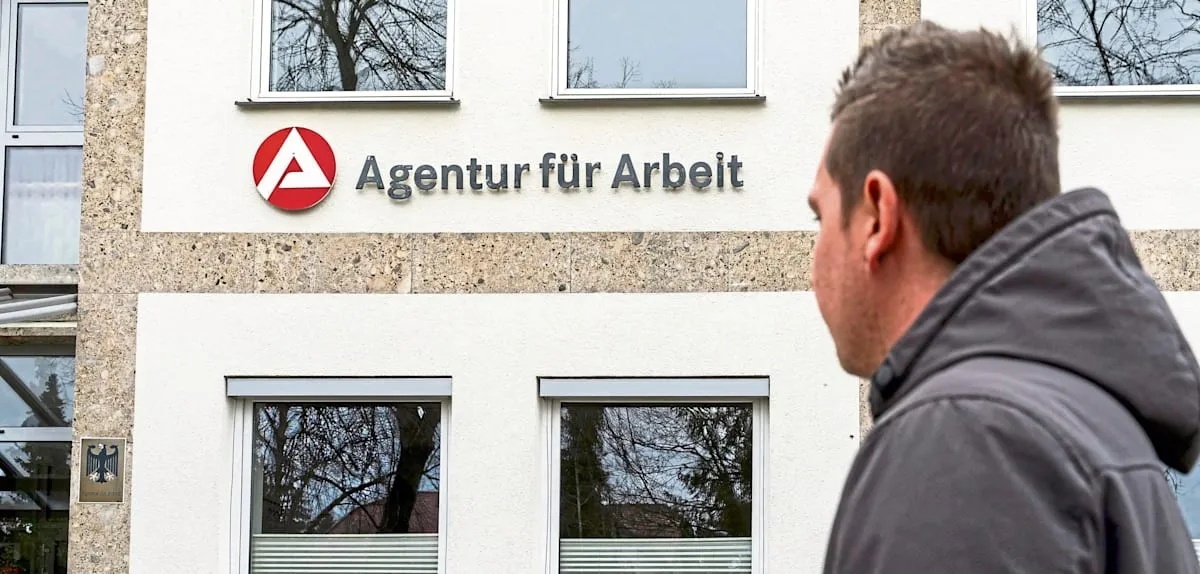
BERLIN – The German government's promise to save billions of euros through the reform of its Buergergeld (citizen's income) social security scheme is now under severe scrutiny. The Ifo-Institut, one of Europe's leading economic research institutions, has explicitly criticized that the fiscal savings claims championed by the ruling coalition have failed to materialize. This latest evaluation exposes significant potential budget miscalculations, raising profound questions about the effectiveness of current socio-economic policies in the country.
The Ifo-Institut's findings, announced in early 2026, frankly state that expectations for budget efficiency post-Buergergeld reform have not been met. Experts from the institute concluded that despite being touted as a fundamental step towards modernizing the basic benefit system, its implementation has not generated the financial savings projected by the Union, the conservative party that vocally supported this initiative.
Buergergeld was introduced as a replacement for Hartz IV, the previous social security system which had long been a subject of public debate and criticism. Its primary goal was to provide more humane financial support and empower recipients to reintegrate into the labor market, while also simplifying benefit bureaucracy. This reform was enacted with promises of positive impacts, not only on social welfare but also on the nation's fiscal health.
The Union party, comprising the CDU and CSU, was a key driver behind this narrative of billions of euros in savings. They argued that through adjustments to benefit parameters and incentive mechanisms, the Buergergeld system would be more efficient and sustainable in the long run. This promotion served as a strong appeal to voters desiring budget stability amid global economic turmoil.
The Ifo-Institut's analysis identified several factors contributing to this failure. One was higher-than-anticipated administrative costs, as well as adjustments to benefit components that ultimately did not substantially reduce the budget burden. Furthermore, projections for the number of beneficiaries might not have been as accurate as assumed, thus affecting overall national expenditure calculations.
Germany's struggling economy, grappling with inflation and budgetary pressures across various sectors, exacerbates this situation. Other reports even highlight how Germany is swimming in taxes, yet Merz's budget remains hard to fund, indicating that even with robust tax revenues, fiscal management challenges remain acute. This suggests that the Buergergeld savings issue is just one of many economic hurdles facing the current administration.
These Ifo-Institut findings are likely to trigger a wave of significant political criticism against the ruling coalition. Opposition parties will probably leverage this data to question the government's competence in managing state finances and fulfilling campaign promises. Public accountability for unrealized reform promises will become a central focus.
The failure to deliver promised savings could erode public trust in government policies and the reform process as a whole. German citizens may grow skeptical of future large-scale projects that also claim to bring substantial fiscal benefits. This poses a serious challenge to political and social stability.
Although each country has a unique social security system, Germany's experience can serve as a valuable lesson for other European Union member states. Many nations in the region also grapple with similar challenges in designing fair and sustainable social policies without unduly burdening budgets.
Experts from the Ifo-Institut recommend that the government immediately review the basic assumptions of the Buergergeld reform and identify areas where efficiency can genuinely be achieved. Data transparency and honest communication to the public regarding the challenges faced are crucial to restoring policy credibility.
Editorial Insight: The failure of the Buergergeld savings promise is not merely a matter of figures, but a reflection of the complexity of designing social policy in a modern economy. The German government now faces a dilemma between maintaining a strong social safety net and meeting fiscal accountability demands. This challenge underscores the importance of in-depth analysis and realistic predictions before any major reform is launched, to avoid creating unfulfilled expectations that damage public trust. The steps forward will determine how Germany balances social commitments and budgetary responsibilities.,
excerpt: Studi terbaru Ifo-Institut mengungkap reformasi Buergergeld di Jerman gagal mencapai target penghematan miliaran euro yang dijanjikan.,
excerpt_en: A recent Ifo-Institut study reveals Germany's Buergergeld reform has failed to achieve the promised billions in euro savings.