 Debby Wijaya
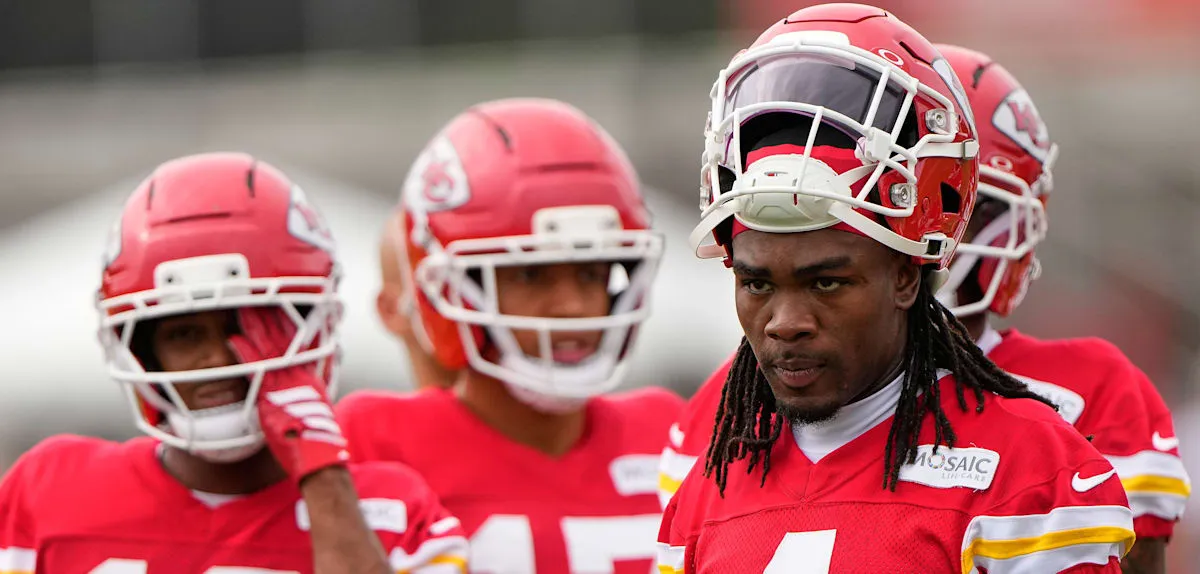
KANSAS CITY – Rashee Rice, the professional American Football athlete playing for the Kansas City Chiefs in the National Football League (NFL), is now facing a severe financial crisis after filing for personal bankruptcy. This critical situation, primarily triggered by a car accident incident involving him, has forced Rice to pawn his Super Bowl championship ring to settle millions of dollars in accumulating debt. The event has shaken the professional sports world in the United States in early 2026, highlighting the financial vulnerability of top-tier athletes.
The accident not only caused physical and material damages but also sparked a series of lawsuits and burdensome financial obligations. Rice is reportedly facing various claims for compensation amounting to a staggering sum, far exceeding his current financial capacity.
Filing for personal bankruptcy became a drastic step Rice had to take as an attempt at debt restructuring. This decision, officially registered in court, unveiled the athlete's financial condition that had long been kept under wraps from public and media scrutiny.
The Super Bowl ring, a symbol of the highest triumph in an NFL player's career, must now change hands as collateral for these debts. This represents an enormous emotional and material sacrifice for Rice, considering the sentimental and historical value attached to this precious item.
The impact of this incident will undoubtedly have a significant effect on Rashee Rice's professional career and public image. Despite having a lucrative contract with the Chiefs, the magnitude of the debt and the potential tarnishing of his reputation could impede his future in the professional league.
Close sources indicate that Rice's financial management might have been less than optimal, exacerbated by legal fees and compensation arising from the controversial car accident. This event serves as a bitter reminder that an athlete's instant wealth can vanish quickly without careful planning.
The public and the NFL community have reacted to this news with mixed responses, ranging from sympathy to sharp criticism. Some parties are urging the league to provide better financial support and education for its players to prevent similar situations.
The bankruptcy process will involve the sale of other assets and stringent payment restructuring. The Super Bowl ring is only the initial part of a larger financial loss mitigation effort, hopefully easing Rice's burden.
Rashee Rice's case serves as an important case study on the vital importance of financial literacy for athletes, especially those who have just broken into professional leagues with multi-million dollar contracts. Sudden wealth must be balanced with wise and responsible management.
The phenomenon of professional athletes going bankrupt after their career peaks is not new in the sports world. Many reports indicate that a significant number of NFL athletes face financial difficulties several years after retirement, or even while still actively playing.
Despite the difficult situation, there is hope for Rice to recover financially and professionally. With the right support team and strategy, he can still continue his career and rebuild his finances. However, this journey will be long, arduous, and full of challenges.
Editorial Insight: Rashee Rice's case is not merely ordinary sports news; it reflects the financial challenges often faced by high-earning athletes. Reliance on large salaries without solid risk management can lead to financial ruin, even for a star of NFL caliber. This situation also highlights the need for more comprehensive financial education programs from leagues and agents, so that athletes are protected from debt traps and impulsive financial decisions. Rice's reputation, and indeed his Super Bowl ring, serve as silent witnesses to this valuable lesson.