 Edward DP Situmorang
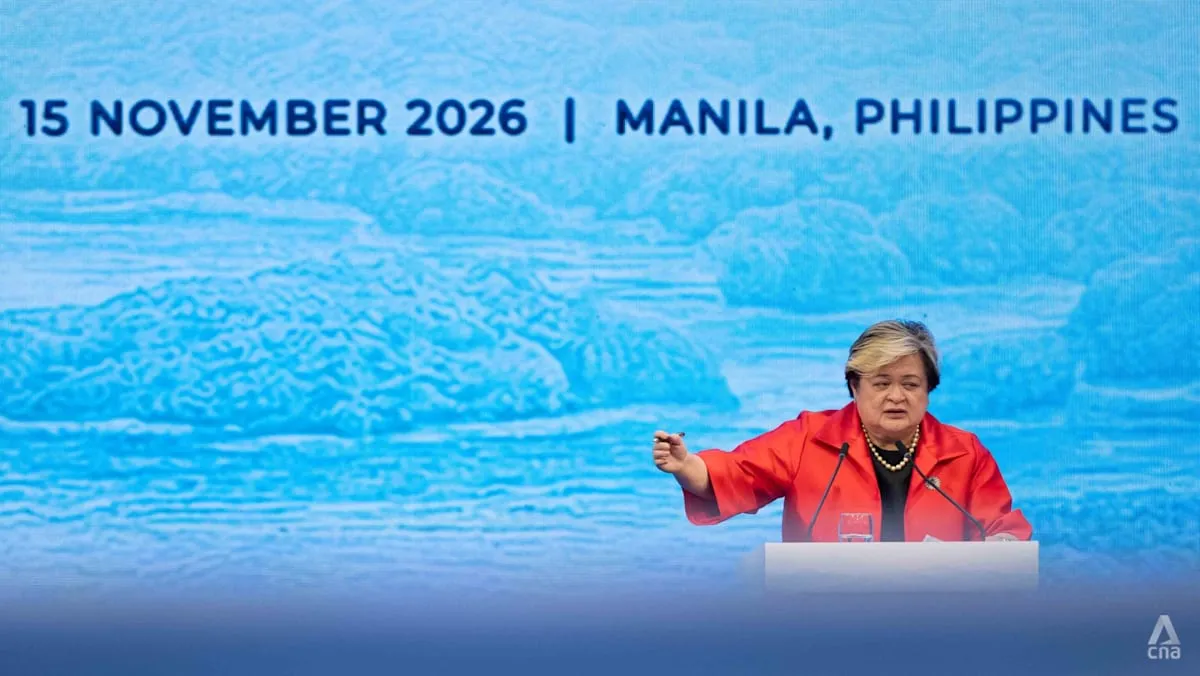
MANILA – A provisional agreement on 80 percent of the draft Code of Conduct (COC) in the South China Sea has been achieved between the member states of the Association of Southeast Asian Nations (ASEAN) and China. This announcement, made by the Philippines, signifies a substantial step forward in the long-standing efforts to de-escalate maritime tensions in the strategic region, despite ongoing overall negotiations.
This progress comes amidst a series of meetings among ASEAN leaders, where other crucial regional issues such as the political crisis in Myanmar and transboundary haze also featured prominently on the agenda. This achievement is expected to form a strong foundation for continued dialogue and the peaceful resolution of territorial disputes that have spanned decades.
A senior Philippine official, who remained unnamed, expressed optimism that this framework would accelerate the finalization of the entire COC. The document aims to establish clear rules of conduct for all stakeholders in the South China Sea, preventing conflict escalation, and fostering stability.
However, specific details regarding the remaining 20 percent of the draft that remains unconcluded have not been publicly released. These unresolved sections are anticipated to cover the most sensitive issues, such as enforcement mechanisms and the precise geographical scope of the code.
The negotiation process for this Code of Conduct has spanned many years, often hindered by deep-seated differences in perspective between some ASEAN member states, particularly the Philippines and Vietnam, and China's expansive sovereignty claims over much of the South China Sea. The success in reaching 80 percent agreement demonstrates significant compromise from all parties.
This achievement has the potential to alleviate global concerns regarding potential conflict in one of the world's busiest shipping lanes. Stability in the South China Sea is vital for international trade and regional security, given its significance as a route for goods and natural resources.
During their recent meetings, ASEAN leaders also underscored the importance of a peaceful solution to the crisis in Myanmar. They reaffirmed their commitment to the Five-Point Consensus Plan, which aims to end violence and facilitate dialogue in the country. Related news can be found in the articles: ASEAN Reaffirms Pressure on Myanmar: Peace Plan Continues to Be Pursued and ASEAN Breakthrough 2026: Myanmar Isolated, Political Path Opens Through Dialogue.
Furthermore, transboundary haze remains a serious concern, especially given its impact on public health and the environment across Southeast Asia. Singaporean Prime Minister Wong previously urged that the Singapore-Indonesia Haze Task Force could become a broader platform for ASEAN. Further information can be read here: PM Wong Urges Singapore-Indonesia Haze Task Force to Become an ASEAN Platform.
The partial agreement on the Code of Conduct in the South China Sea stands as one of the most significant diplomatic achievements for ASEAN and China in 2026. It reflects a collective effort to maintain regional peace and prosperity. However, the unfinished work on the remaining 20 percent will require more intensive negotiations and strong political commitment.
Editorial Insight:
The provisional agreement on 80 percent of the South China Sea Code of Conduct marks a turning point in regional dynamics. While significant challenges remain in resolving the most controversial sections, this progress indicates a genuine desire from both sides to seek pragmatic solutions. Full finalization of the COC would be a historic milestone, providing a clearer and more predictable legal framework for managing disputes. However, implementation and enforcement will be the true test of all nations' commitments. Issues such as the Myanmar crisis and transboundary haze also continue to challenge ASEAN's solidarity and effectiveness as a crucial regional organization.