 Chandra Wijayanto
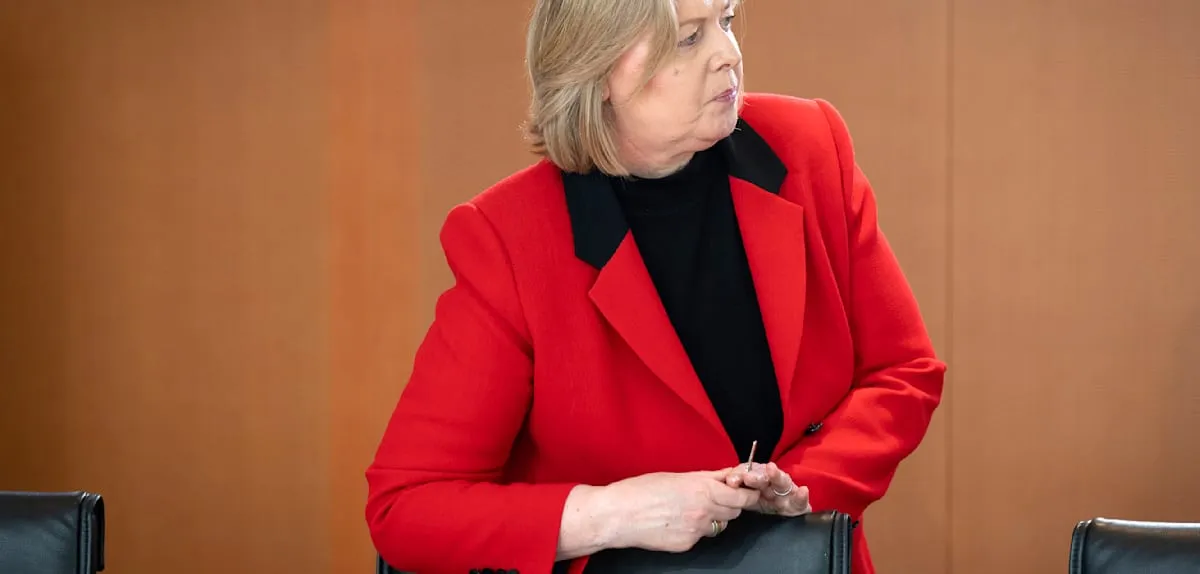
BERLIN — Chairwoman of Germany's Social Democratic Party (SPD), Bärbel Bas, has emphatically called for a comprehensive structural and ideological overhaul of her party. This statement follows a series of recent electoral poll results in early 2026 indicating a significant decline in public support for the SPD, triggering serious concerns about the party's political future.
In response to the "unsatisfactory" situation, Bas, who also serves as President of the Bundestag, underscored the urgency of fundamental renewal. According to her, no one within the party can be satisfied with the current achievements, necessitating a bold new direction to regain voter trust.
This situation adds pressure to the governing coalition led by Chancellor Olaf Scholz, where the SPD forms the backbone alongside the Green Party and the Free Democratic Party (FDP). While acknowledging internal challenges, Bas simultaneously defended the coalition government's policies, asserting that the measures taken have been based on principles of social justice and economic stability.
"We must admit that we face a tough test. The poll numbers speak for themselves," Bas stated, quoting her remarks to the media in the capital. "However, this is not the time for blame games. This is a call to action, to reflect on our core values, and to deliver concrete solutions that are directly felt by the public."
Bas's primary focus is the reassertion of the SPD's historical social role. She emphasized that the party must be more vocal and effective in advocating for the welfare of citizens, particularly vulnerable groups, amid various global and domestic crises affecting Germany in 2026.
The decline in the SPD's popularity is not a new phenomenon. In recent months, the German political landscape has shown significant shifts, with certain opposition parties, such as the AfD, enjoying a surge in support despite sharp controversy. This situation requires the SPD to work extra hard to maintain its relevance.
Internal debates within the SPD are expected to intensify. Critics may push for leadership changes or more radical policy directions, while factions loyal to the coalition will strive to maintain the status quo to preserve governmental stability. These dynamics will be crucial determinants for the party's future.
Bas herself affirmed that the "renewal" she envisions does not mean abandoning coalition commitments. Instead, she sees it as an opportunity to strengthen the SPD's identity within the framework of government, ensuring that the voices of ordinary and middle-class citizens remain strongly represented in every political decision made. This aligns with the spirit that might be expected in articles regarding Germany's 2026 care reforms which also touch upon social and justice aspects.
The coalition government has faced several severe challenges, including inflation, an energy crisis, and fierce debates over climate policy, as reflected in discussions surrounding Germany's Heating Act. Responses to these issues often spark voter dissatisfaction, and the SPD, as the largest party in the coalition, frequently becomes the target of criticism.
In a broader context, the SPD's situation reflects deeper political anxieties in Germany. Issues such as the education crisis and the dilemma of prioritizing citizens or the military are also part of the public discourse influencing perceptions of the ruling party.
Bas's efforts to "reboot" the party are expected to go beyond mere rhetoric and translate into concrete actions. The party must be able to identify the root causes behind its decline in electability and formulate more effective communication strategies to reach alienated voter segments.
Germany's political future, especially leading up to the next general elections in 2029, will heavily depend on the SPD's ability to recover from its downturn. This resurgence requires courage for honest self-evaluation and a willingness to adapt to contemporary demands, without sacrificing its long-held fundamental principles.