 Angel Doris
BERLIN — Chancellor Friedrich Merz is currently facing a wave of sharp criticism from within his own party regarding his authoritarian leadership style, sparking serious concerns about Germany's political stability ahead of three state elections in autumn 2026. This situation, according to analyses by senior political observers, is an early sign of a potential crisis that could destabilize his position, reminiscent of his struggles two decades ago when competing with Angela Merkel.
Criticism of Chancellor Merz centers on decision-making perceived as lacking consensus and an approach that tends to be top-down. Various internal party sources reveal deep unease among parliamentarians and high-ranking party officials who feel their voices are not sufficiently heard in the formulation of strategic government policies.
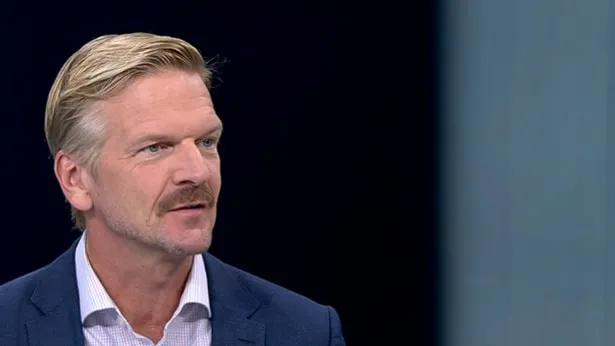
Gordon Repinski, Editor-in-Chief of Politico, explicitly expressed his concerns. In his analysis, Repinski stated, “This is a prelude to the crisis that Merz is actually still facing.” This statement underscores that the current internal turmoil is not merely an ordinary ripple, but the genesis of larger problems awaiting Chancellor Merz.
Three state elections scheduled for autumn 2026 will be a crucial test for Merz's leadership. The results of these elections will not only determine the political power map at the regional level but also serve as a barometer of public acceptance of Merz's policies and governing style nationally.
Parallels with Merz's past are inevitable. Twenty years ago, around 2006, he experienced a significant failure in an internal party power struggle against the dominant figure of Angela Merkel. This history is now being discussed again, raising questions about whether a similar pattern will repeat and threaten Merz's position as Chancellor of Germany.
Chancellor Merz's leadership style, considered dogmatic and inflexible, further exacerbates internal rifts. Some even accuse him of providing insufficient room for dialogue with ministers and cabinet members, as revealed in the report on German Cabinet Drama: Schnieder Refuses to Meet Chancellor Merz!, reflecting the discomfort of several high-ranking officials.
This situation, of course, threatens the cohesion of the party he leads. The potential for internal division and dissent could weaken Merz's political foundation at a crucial time when Germany needs stability to face domestic and international challenges.
Public perception of Chancellor Merz is also likely to be negatively affected by this internal turmoil. Ahead of elections, the image of a strong and united leader is essential to gain voter support. If criticism continues, Merz's party's electability could erode, giving an advantage to political opponents.
In addition to internal challenges, Merz's government also faces a number of complex macro issues. For instance, the contentious discussions on the EU budget, as highlighted in the article Merz Hit by Chancellor Crisis Storm in Ireland, EU Budget Threatened!, demand solid leadership and strong negotiation skills.
Economic pressures also add to the burden. High national taxes and electricity prices that exceed the European average, as discussed in National Tax Burden Stifles German Industry: Electricity Prices Exceed Europe!, trigger dissatisfaction among industries and the public, which is naturally the responsibility of the government under Chancellor Merz.
Chancellor Merz's continued position now hangs in the balance. Internal dissatisfaction coupled with external challenges demands significant changes in his approach. Failure to adapt could lead to fatal political consequences, reminiscent of his bitter struggles in the past.
The next few months will be a crucial determinant for Chancellor Merz's political career. His ability to embrace criticism, rebuild internal consensus, and demonstrate more inclusive leadership will determine whether he can weather this storm or be swept away by the repetition of a bitter history.