 Demian Sahputra
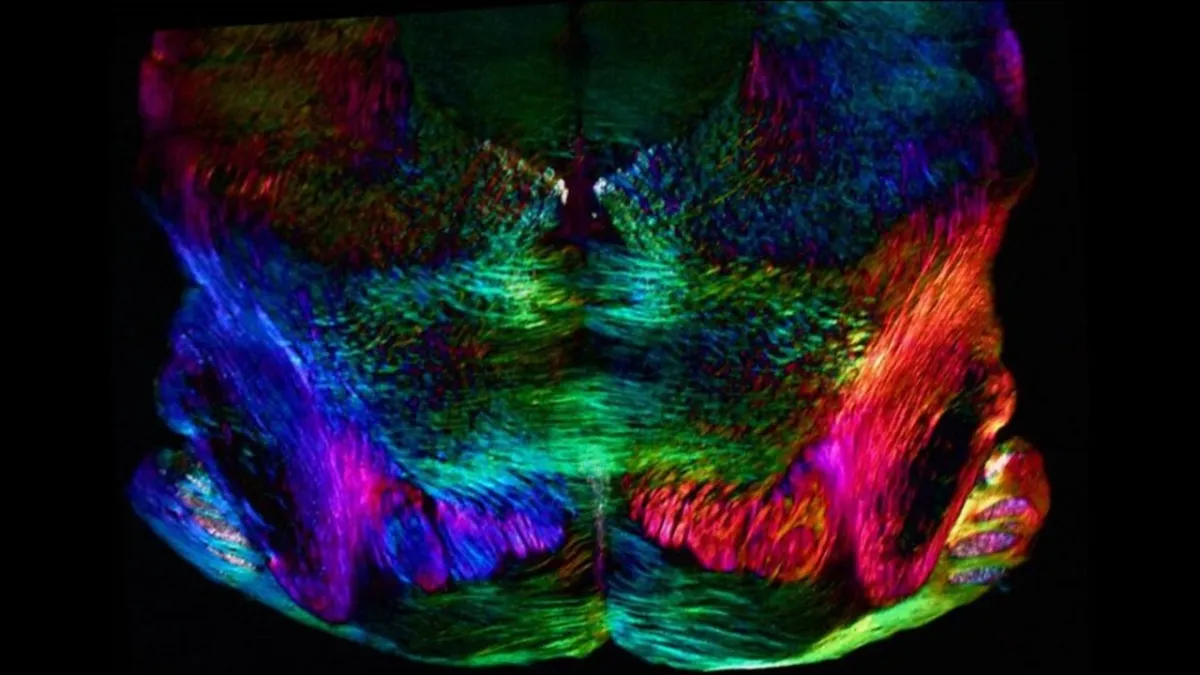
JAKARTA – A cutting-edge study recently published has revealed a startling finding: traumatic stress experienced in childhood leaves physical scars on brain structures, significantly increasing an individual's vulnerability to anxiety disorders and depression later in life. This international research, though initially observed in animal models, provides profound insights into the long-term impact of adverse experiences during formative years.
Scientists from a global neuroscience research consortium conducted a series of intensive experiments on mice, creating controlled stress conditions during their early developmental phase. The results showed persistent structural and functional changes in brain areas responsible for emotional regulation, stress response, and cognitive processes, such as the prefrontal cortex and hippocampus.
These changes are not merely temporary. Data indicates that these scars modify neural pathways and gene expression related to brain plasticity, making individuals more reactive to stress in adulthood. This then forms the biological basis for why childhood trauma is a strong risk factor for the development of mental conditions such as generalized anxiety disorder, major depression, and even some forms of psychotic disorders.
A senior researcher involved in the study, Professor Anton Wijaya, stated, Stress experienced at an early age, when the brain is in its most crucial stage of formation, has the capacity to fundamentally alter neural architecture. This is not just an emotional memory; it is a physical modification that makes the brain more fragile in the face of life's pressures.
The implications of this research are vast, especially for our understanding of global mental health. Amidst a global increase in mental health disorders in 2026, these findings underscore the urgency of early intervention and psychosocial support for children experiencing trauma.
The World Health Organization (WHO) reports that one in seven children and adolescents worldwide are estimated to experience a mental disorder. This number continues to rise, and this study provides strong clues regarding one of the often-overlooked root causes: traumatic experiences in childhood. Extreme population density and social pressures in modern urban areas further exacerbate these conditions, adding layers of complexity to the issue of child mental health.
Given these findings, the urgency to create safe and supportive environments for children's development becomes even more vital. The concept of children's adventure spaces that facilitate healthy emotional exploration and development, as advocated in various forums, is no longer just a complement but a basic necessity. Children's adventure spaces can serve as a bulwark to protect the brain from the effects of toxic stress.
The Indonesian government, under the leadership of President Prabowo Subianto, has committed to strengthening child protection programs and public mental health services. However, experts say that more aggressive and evidence-based implementation, such as the results of this study, is critically needed to identify and address at-risk children early.
The leader of the Catholic Church, Pope Leo XIV, also frequently voiced the importance of protecting children's dignity and creating conducive environments for their growth. In one of his recent messages, the Pope emphasized that childhood is the foundation of humanity, and any damage to that foundation will create cracks in the edifice of our society.
Experts are calling for these findings to drive a paradigm shift in public policy, from education systems and health services to social welfare programs. Investing in the well-being of children today is an investment in the mental health and stability of society in the future, given that the imprints of trauma can last a lifetime.
Editorial Insight: This study is not merely a scientific discovery; it is an urgent call for all of us. Ignoring the impact of childhood stress means we are ignoring the seeds of a larger mental health crisis in the future. A holistic approach involving families, schools, communities, and governments must be prioritized, ensuring every child has the opportunity to grow without the shadows of trauma permanently damaging their brain architecture.