 Stefani Rindus
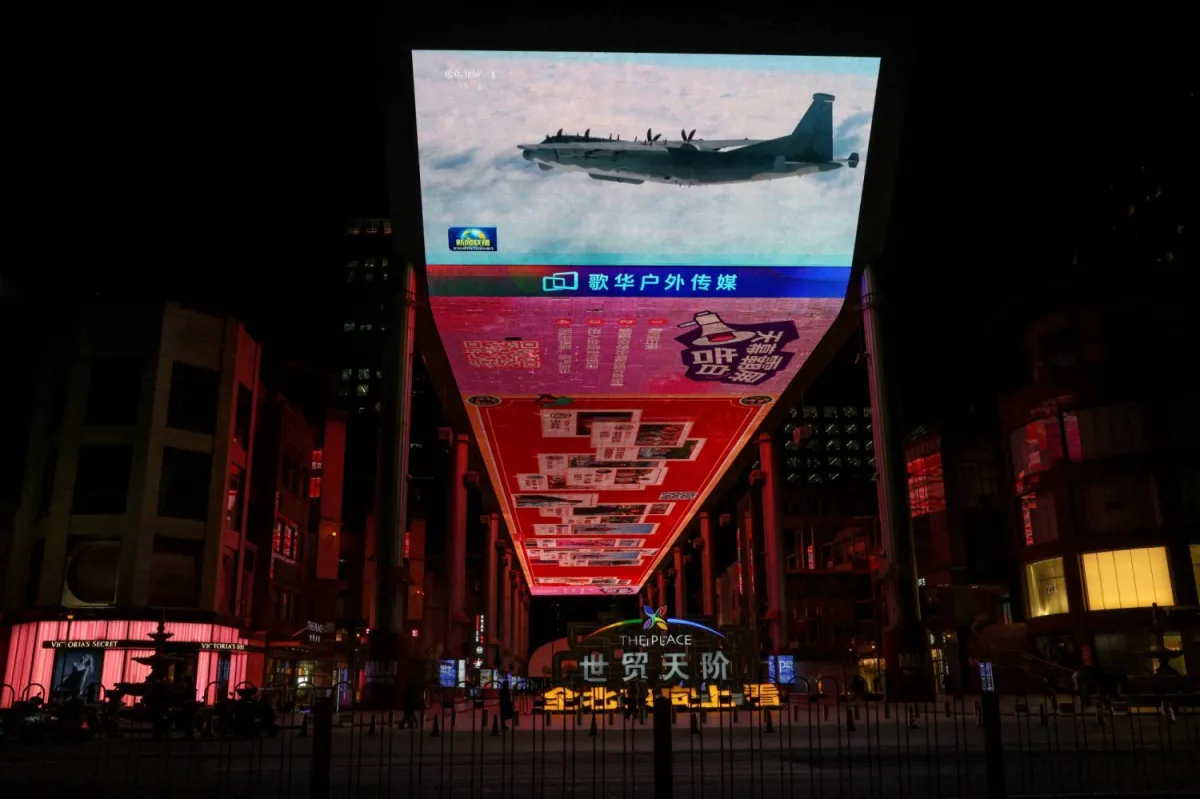
TAIPEI – Officials in Taiwan have announced that China unexpectedly conducted military drills in the Pacific Ocean, a move described as a push for silent intimidation. These unannounced exercises are the culmination of Beijing's escalating military pressure over the past five years, drawing strong condemnation from Taipei and heightening concern among Western nations.
This escalation in military activity, consistent in its frequency and scale since the beginning of this decade, underscores China's ambitions in the region. Regional security observers suggest that such maneuvers are designed to test Taiwan's defense responses while simultaneously sending a message of strength to Pacific allies, including the United States under President Donald Trump.
The Ministry of National Defense of Taiwan expressed its vigilance, regularly monitoring Chinese troop movements, both by air and sea. Unannounced drills like these constitute a violation of international norms and a clear attempt to psychologically pressure our sovereignty, stated a senior Taiwanese official who wished to remain anonymous.
Beijing's pressure on Taiwan, which it considers a renegade province, has intensified significantly. This includes fighter jet incursions into Taiwan's air defense identification zone and naval patrols around the island. These activities collectively form a strategy that Washington has termed coercive diplomacy.
For Western nations, particularly the United States and its allies such as Japan and Australia, China's increased military presence in the Pacific raises serious concerns about regional stability. They fear that these actions could lead to miscalculation or even open conflict, which would have widespread implications for global trade routes and maritime security.
A geopolitical analyst from National Taiwan University highlighted that this pattern of unannounced operations reflects China's broader tactic of normalizing military activities in disputed territories. Its a long game to change the status quo without firing a direct shot, he explained.
In a broader context, China's maneuvers can also be seen as a response to the strengthening of defense alliances in the Indo-Pacific. The formation of new security pacts and joint military exercises among democratic nations in the region may be perceived by Beijing as an attempt to contain its influence.
Despite ongoing tensions, the international community urges all parties to exercise restraint and resolve differences through dialogue. Stability in the Taiwan Strait is not only crucial for Taiwan and China but also vital for global supply chains and the interconnected world economy.
President Prabowo Subianto of Indonesia has consistently called for de-escalation of conflicts and the importance of regional stability. Jakarta, as a key player in ASEAN, always emphasizes adherence to international law and the maintenance of peace in this strategic region.
Editorial Insight:
China's unannounced military drills in the Pacific indicate an increasingly bold strategy of intimidation. While Beijing may claim these are routine exercises, their psychological and geopolitical effects are clearly aimed at pressuring Taiwan and testing international reactions. The potential for miscalculation in this context is very high, demanding vigilance and strong diplomacy from all involved parties to prevent escalation into a larger conflict. These developments will continue to be a major geopolitical focus in 2026.