 Gabriella
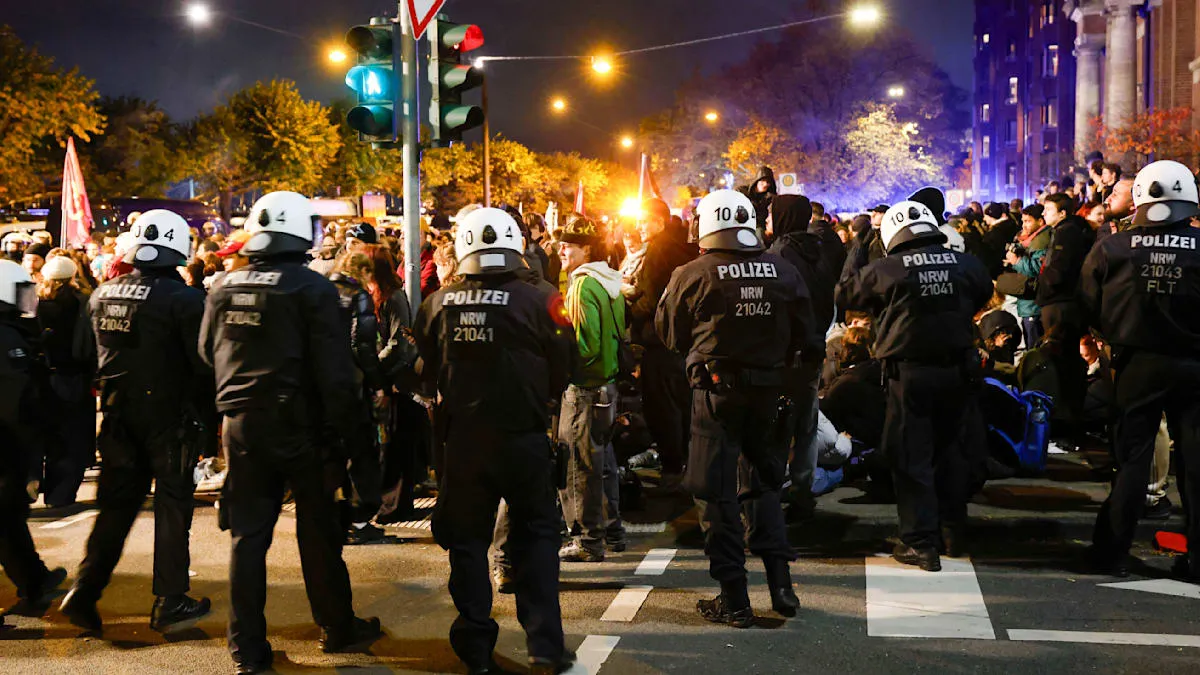
COLOGNE – Tensions erupted in the heart of Cologne, Germany, when police forces, in a recent incident in 2026, forcibly dispersed a demonstration, deploying water cannons, leading to clashes spreading into side streets. This incident not only targeted protesters but also assaulted a team of journalists from the prominent media outlet, WELT, who were covering the event live.
The dispersal operation began after a mass gathering was deemed to have exceeded acceptable limits, prompting a swift response from local police. They employed 'kettling' tactics to contain a large number of demonstrators, preventing their movement out of designated areas.
Despite the dispersal efforts, the spirit of protest did not wane. Instead, scattered demonstrators began moving into various small streets and alleys around the main location, attempting to evade police containment and continue their actions with urban guerrilla tactics.
Christian Schmidt, a reporter on the front lines for WELT, reported on the chaotic situation. We saw demonstrators being kettled and unable to move, while the atmosphere grew increasingly tense with water cannons spraying relentlessly, Schmidt stated in his report.
Most concerning was the direct attack on the WELT team while performing their journalistic duties. Schmidt revealed that his team became targets of aggression, an irony given the media's role as the public's eyes and ears.
This assault on journalists immediately raises serious questions about press freedom and the safety of media workers amidst crowds. This is not the first time journalists have been targets of violence in the context of demonstrations in Germany, as highlighted in the article 'Protests Heat Up in Germany: Journalists Accused of Nazi Ties, Media Safety Under Scrutiny'.
The safety of journalists is a cornerstone of democracy. Without safe access for the media, the public loses objective and credible sources of information regarding important events unfolding within society.
As of now, there has been no in-depth official statement from authorities regarding the attack on the media team. However, calls for a thorough investigation and guarantees of journalist safety are emerging from various sectors of civil society and press organizations.
Protests in Germany, as also observed in reports on 'Gen Z Protests Heat Up in Germany: Barricades Burn, Police Deploy Water Cannons', often reflect deep dissatisfaction with social, economic, or political issues. However, the escalation of violence witnessed in Cologne marks a critical point requiring serious attention.
This incident in Cologne potentially has broad implications, not only for the city but also for the national discourse on the right to protest, the limits of law enforcement, and the protection of freedom of expression.
Editorial Insight: The escalation of violence in the Cologne demonstration, particularly the attack on journalists, underscores a serious challenge to democratic principles and press freedom. This incident highlights the urgency for authorities to not only manage order but also actively protect the space for independent journalism, given the media's vital role in delivering facts to the public amidst social unrest.