 Dodi Irawan
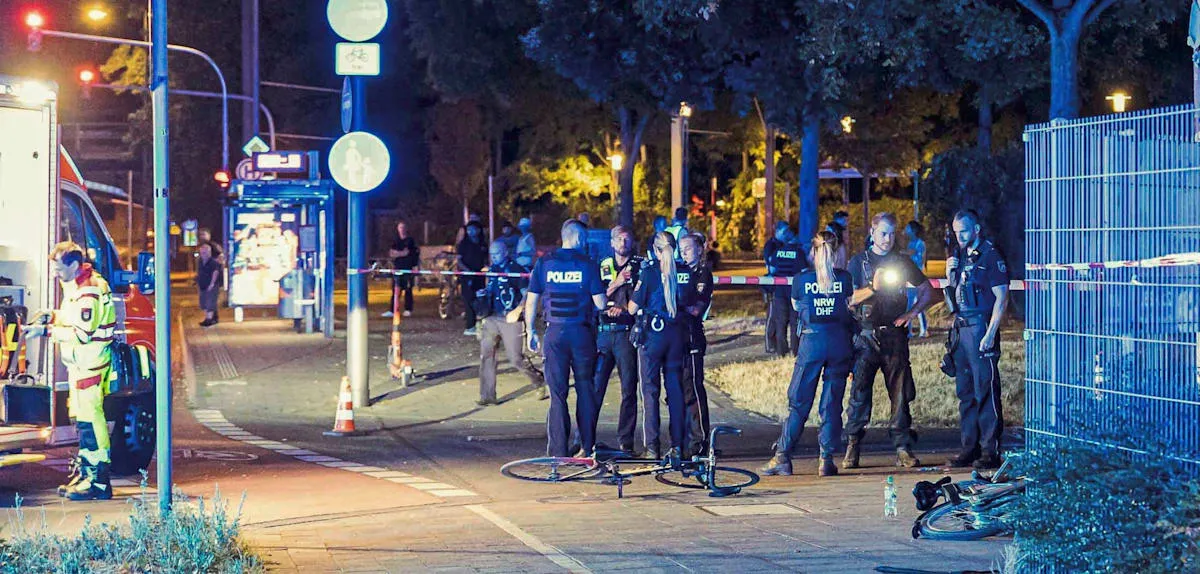
Cologne – Seven individuals previously detained in connection with an armed family clash in the Mülheim district of Cologne, which resulted in four injuries, have now been released. This decision has sparked public questions and disappointment among victims and the local community regarding the enforcement of law against serious urban violence.
According to an official statement from the local Public Prosecutor's Office, the suspects had to be released because the 'necessary degree of suspicion' could not be established to warrant their continued detention. This statement underscores the challenges in gathering sufficient evidence in complex violence cases involving multiple parties.
The bloody incident shook the tranquility of Mülheim some time ago when a dispute between two families escalated into a shootout. The four injured victims were immediately rushed to the hospital for medical treatment, with some reportedly in serious condition.
The release of the seven suspects without clear legal charges immediately caused public outrage. The victims' families and eyewitnesses voiced their concerns about potential impunity and their future safety if the perpetrators are not adequately punished.
The aspect of German law, particularly concerning the standard of "necessary degree of suspicion" (notwendige Verdachtsgrad), has come under scrutiny. This standard requires concrete and strong indications linking an individual to a criminal act before detention or prosecution can proceed. In this case, the Public Prosecutor stated that the existing evidence did not meet this threshold.
Although the suspects have been released, the investigation by the local police continues. Law enforcement officials are committed to seeking additional evidence and new testimonies that may strengthen the case. However, this step often faces significant obstacles, especially if witnesses are reluctant to cooperate due to threats or intimidation.
This case adds to a long list of inter-family violence incidents occurring in several major German cities in 2026. Such conflicts are often triggered by long-standing disputes, power struggles, or minor misunderstandings that escalate into brutal acts.
Criminology experts and sociologists highlight the importance of a comprehensive approach to address the root causes of inter-family violence. This includes social intervention, conflict mediation, and strengthening the community's role in maintaining peace and regional security.
The community of Cologne, particularly in the Mülheim district, calls for better security assurances from the authorities. They hope this case does not set a bad precedent that could undermine public trust in the justice system, especially when organized crime or family-based conflicts pose a latent threat.
The Public Prosecutor's Office affirmed that this release is temporary and does not preclude re-arrest if substantial new evidence emerges. They assured their commitment to achieving justice for the victims.
However, this statement has not been enough to quell public concerns. Many argue that the justice system should be more proactive in protecting victims and ensuring that serious acts of violence do not escape firm legal consequences.
This incident in Mülheim underscores the complexity of handling crime cases involving close family or community ties, where a culture of silence or intimidation can complicate the process of gathering valid and objective evidence.
A thorough evaluation of investigative procedures and evidence collection in similar cases is necessary. This is vital to ensure that legal loopholes are not exploited by those involved in acts of violence.
Local authorities are urged to enhance coordination between the police, prosecutors, and social agencies. This multi-sectoral approach is expected to provide more effective solutions in preventing the recurrence of similar tragic incidents and restoring a sense of security in the community.
Cologne continues to grapple with security challenges, and this case serves as a bitter reminder that despite law enforcement efforts, complex social dynamics often present significant hurdles in achieving full justice.
Meanwhile, a similar incident of violence that shook the British capital also drew public attention. London Erupts: Four Men Stabbed in Covent Garden, Woman Arrested became another highlight concerning urban crime handling.