 Debby Wijaya
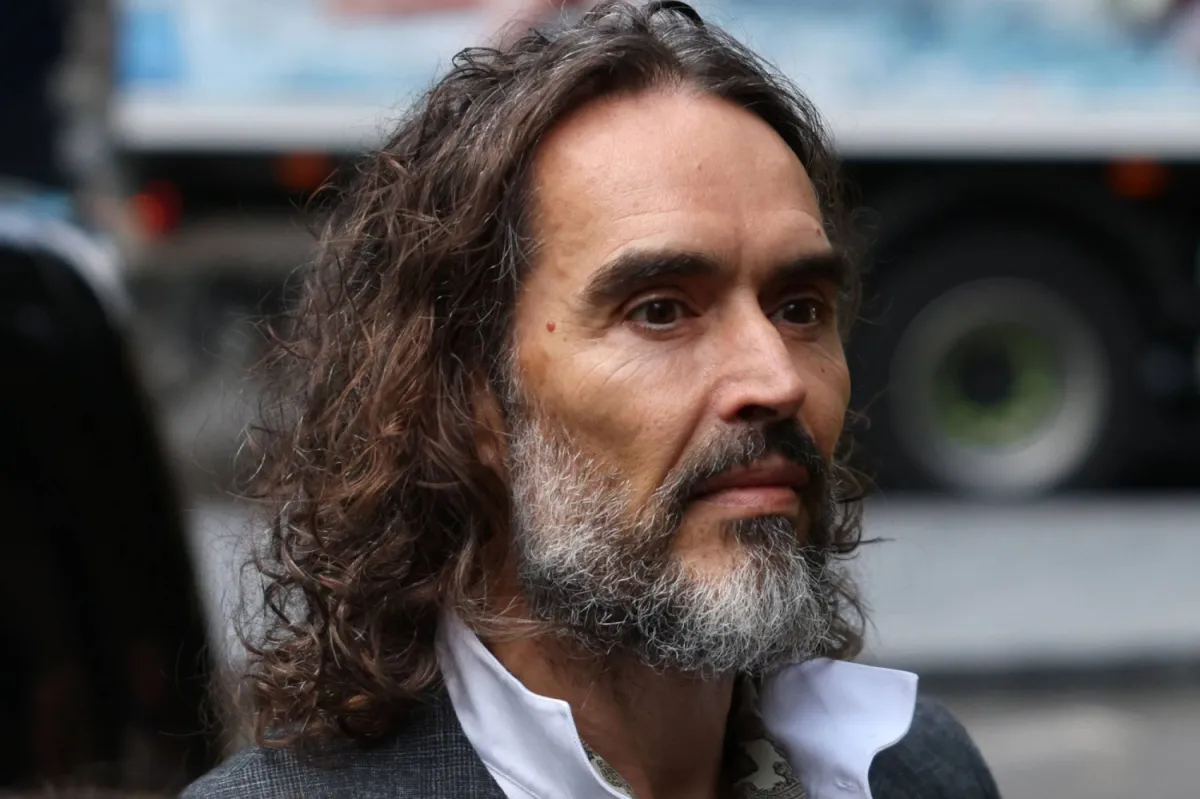
LONDON – Russell Brand, the flamboyant comedian and actor, now faces the darkest chapter of his career after a court declared him guilty of rape and three counts of sexual assault. This shocking verdict, announced in 2026, has sent tremors through the global entertainment industry and ignited fierce debates about ethics and accountability for public figures.
The ruling concludes a prolonged investigation that began after several women bravely came forward to share their traumatic experiences. Brand, who previously dismissed these allegations as a smear campaign, must now face the legal consequences of his actions.
An internal law enforcement source, wishing to remain anonymous, confirmed to our editorial team that this conviction is the result of robust evidence and consistent victim testimonies. The legal process proceeded transparently, though many trial details were kept private to protect the victims' identities.
In addition to the already pronounced verdict, Brand is also confronting new, more severe accusations. He stands accused of raping two more women, one reportedly a 16-year-old at the time of the alleged incident. These additional allegations could lead to further criminal charges, significantly worsening his legal predicament.
This case transcends the fate of a single celebrity; it is a reflection of power dynamics within the entertainment industry. Many hope Brand's conviction sets a crucial precedent for victims of abuse who often feel powerless against influential figures.
Since the initial allegations surfaced, Brand's once-illustrious career has rapidly declined. Numerous contracts were terminated, projects halted, and his public image shattered. Once known as a sharp comedian and social commentator, he is now remembered as a controversial figure embroiled in a serious scandal.
Reactions from fellow celebrities and the global public have been mixed. Some expressed solidarity with the victims, while others called for due process to be respected and justice administered impartially. Social media discussions have intensified, highlighting the complexities of sexual assault cases involving public figures.
Victim advocacy organizations have welcomed the verdict, viewing it as a moral victory for those who have long remained silent. They hope this ruling will encourage more survivors to speak out and seek justice.
Social psychologist, Dr. Maya Sari, from Gadjah Mada University, stated, 'Brand's case reminds us that fame and wealth do not shield anyone from the consequences of criminal acts. This sends a strong signal that society will no longer tolerate the abuse of power.'
The long-term implications for the entertainment industry are likely significant. Production houses and talent agencies are expected to tighten oversight protocols for their artists' conduct and enhance reporting mechanisms to prevent similar incidents in the future.
Brand, known for his historical involvement in social and political issues, is now ironically under scrutiny for moral and legal transgressions. This transition from activist to convicted individual marks a tragic downfall.
A critical question now hangs in the air: will this case mark a turning point for the entertainment industry to seriously cleanse itself of the culture of impunity that sometimes pervades its working environment?
Editorial Insight: The guilty verdict against Russell Brand is not merely a common criminal news story; it is an epic reflecting a shift in values within modern society, particularly concerning justice and accountability. This case has the potential to become a crucial moment, not only for ensuring individual responsibility but also for driving broader structural reforms in addressing sexual abuse within the entertainment industry. Its impact may extend far beyond Brand's career, reshaping public expectations for the integrity of public figures and empowering victims to speak out.