 Edward DP Situmorang
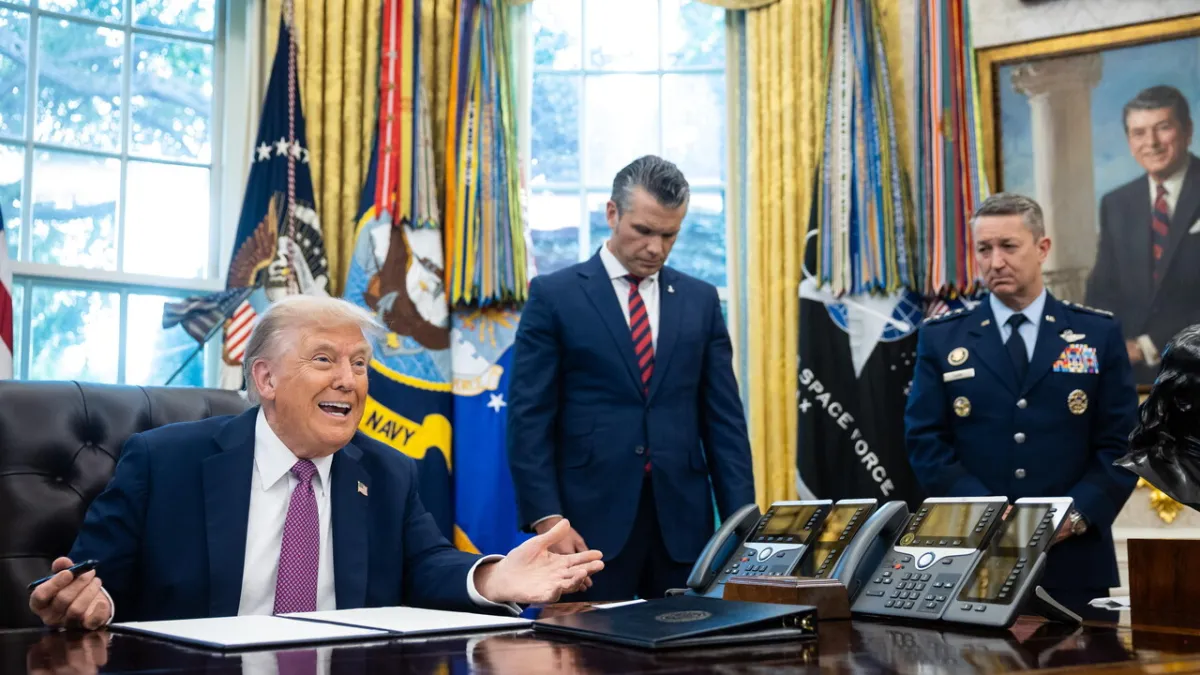
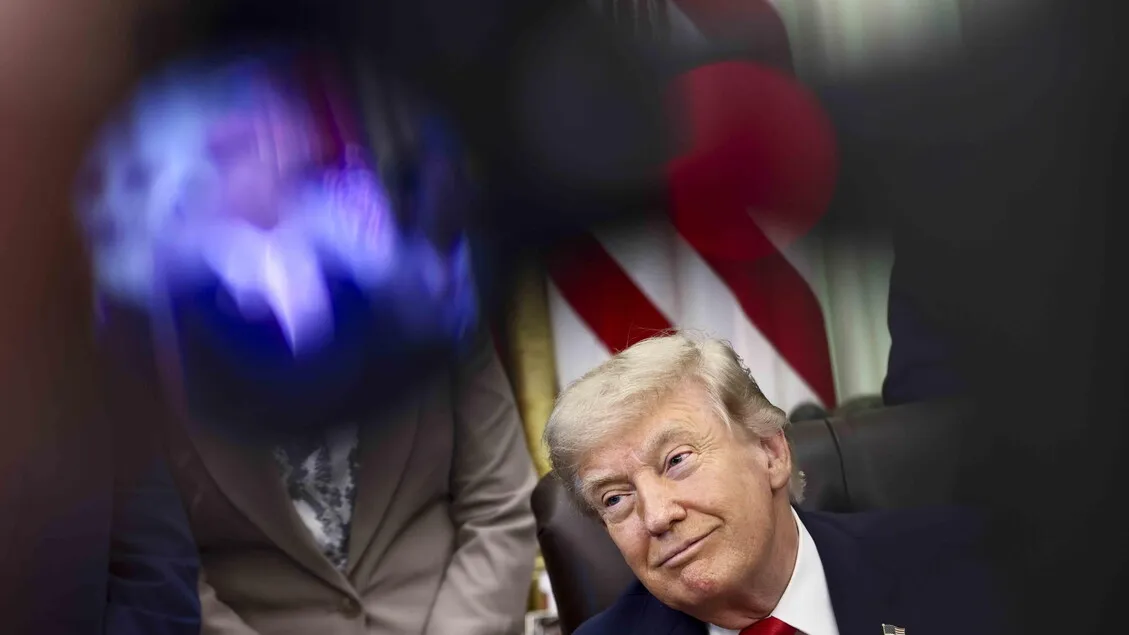
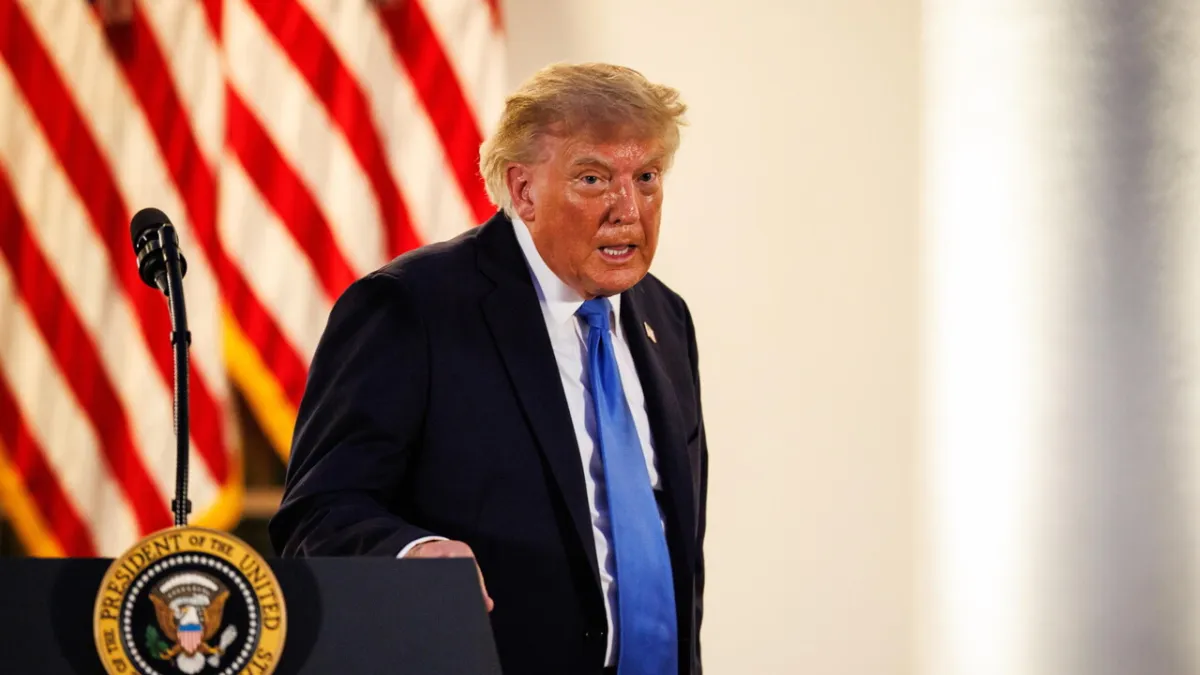
WASHINGTON D.C. — President Donald Trump, in early 2026, decided to postpone a potential military escalation against Iran. This strategic decision was made after receiving a serious warning about the dwindling inventory of Patriot air defense missile systems. General Dan Caine, Chairman of the Joint Chiefs of Staff, explicitly stated that U.S. operational capabilities would be compromised if a confrontation proceeded without adequate supplies.
Reports from the Pentagon indicate that Patriot missile stockpiles have reached a critical point. This depletion is attributed to continuous logistical support to Ukraine and allied nations in Europe, as well as maintaining combat readiness in various global theaters of operation. General Caine's warning underscores the urgency to re-evaluate national defense strategy and weapons production.
The prolonged conflicts in the Middle East and the demand for advanced air defense systems have placed immense pressure on the U.S. military supply chain. The Patriot system, known for its ability to intercept ballistic and cruise missiles, forms the backbone of air defense in many volatile regions. The dwindling stock raises significant concerns among defense officials.
The escalation of tensions between the United States and Iran has been a global concern for years. President Donald Trump's administration has consistently emphasized the importance of maintaining regional stability while remaining vigilant against Iran's nuclear ambitions and influence in the Middle East. This postponement of escalation, though driven by logistical constraints, could open avenues for more constructive diplomatic engagement.
General Caine reportedly informed President Trump that continuing aggressive operations without sufficient Patriot reserves would endanger U.S. forces in the field and diminish the defensive capabilities of allied nations. This warning was a decisive factor in the President's decision to halt further provocative measures against Tehran.
This situation has also sparked internal debate in Washington regarding the priority allocation of defense resources. Critics argue that reliance on a single type of air defense system constitutes a strategic vulnerability, while proponents emphasize the importance of maintaining superior U.S. combat capabilities.
Iran, which has historically responded to U.S. military movements with caution, has not yet issued an official comment. However, regional analysts predict that Tehran will observe these developments closely, potentially viewing it as an opportunity to test boundaries or seek diplomatic advantages.
On the other hand, U.S. allies in Europe and the Middle East are watching the situation with apprehension. They rely on the presence and capabilities of the U.S. military to maintain the balance of power in their regions. Concerns over the dwindling Patriot missile stock may prompt these nations to accelerate investment in their own air defense systems, as some, including Germany, have already done. (Also read: Germany Intensifies Arms Industry Strengthening: Key to Europe's Defense 2026).
Defense analyst Dr. Elena Petrova from the Rand Corporation stated, “This decision reflects the bitter reality of modern warfare: logistics and supply chains are now as vital as battlefield strategy. The defense industry's ability to meet massive demand will be a geopolitical determinant.”
The Patriot shortage also highlights the challenge for the U.S. military-industrial complex to significantly increase production capacity. This requires not only massive investment but also innovation in manufacturing methods to accelerate delivery and replenishment of inventory.
President Trump's decision to postpone escalation with Iran, while pragmatically motivated by missile stock limitations, could have broad long-term implications. This is not just about military inventory management, but also a strategic signal sent to rivals and allies on the global stage in 2026.