 Dodi Irawan
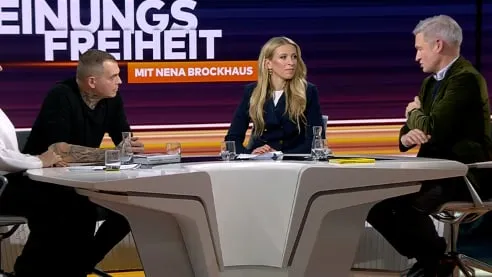
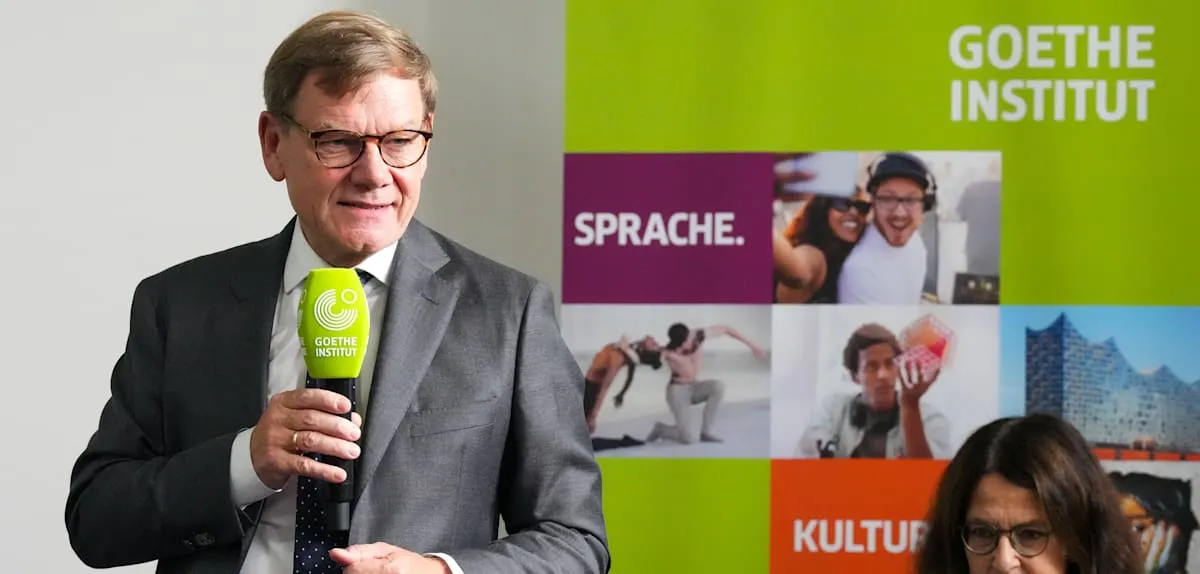
BERLIN – An intense national debate is shaking the heart of Germany's political landscape, highlighting two crucial policy pillars of the Green Party: the energy transition and the migration agenda. The discussion, moderated by prominent journalist Nena Brockhaus, presented contrasting views from several figures, including Katharina Beck from the Green Party, columnist Ulf Poschardt, and musician Philipp Burger, delving into fundamental questions regarding the multi-trillion euro financial burden at stake for these ambitious projects in 2026.
The energy transition project, known as Energiewende, represents Germany's massive effort to shift from fossil fuels and nuclear energy towards renewable sources. Meanwhile, the Green Party's migration policy focuses on integration and providing assistance for asylum seekers and immigrants. Both initiatives, though well-intentioned, are drawing sharp scrutiny due to their potential economic implications.
The primary criticism revolves around escalating cost estimates. Independent sources and several economic experts project that the cumulative expenditure for Energiewende and migration management could reach trillions of euros in the long term, burdening state coffers and taxpayers.
Katharina Beck, representing the Green Party, staunchly defended her party's policies. She emphasized the importance of long-term investments in sustainability and humanity. The costs of climate change mitigation and social integration will be far higher if we delay. These are investments in the future, Beck stated, affirming her vision.
Conversely, Ulf Poschardt voiced sharp skepticism. According to him, the German government is intervening too extensively in the economic and social sectors, leading to waste and inefficiency. The state should be a facilitator, not a primary actor spending boundless budgets. We are seeing a threatening deficit, Poschardt remarked. This debate is further complicated by tense coalition situations, as highlighted in the article Merz's Threat: German Coalition on the Brink, Billions in Deficit Loom!.
Philipp Burger, with his grassroots artistic perspective, highlighted the impact of these policies on ordinary citizens. He expressed concern over the increasing cost of living and economic uncertainty felt by the public. It is the common people who bear the consequences of these colossal projects, he said.
The divergence of opinions reflects the polarization within German society regarding the extent to which the government should be involved in these major issues. Must the state bear the entire burden, or are there limits that must be considered for fiscal stability?
Economists note that the Energiewende project requires massive infrastructure investments, from renewable power plants to transmission networks. Meanwhile, migration costs include accommodation, education, job training, and social services. Both consume a significant portion of the federal budget.
This debate is not merely economic; it also carries deep political implications. The Green Party, as part of the ruling coalition, is under pressure to demonstrate the efficiency and tangible results of their policies. Public concern over inflation and recession further complicates the situation, especially after reform demands like those discussed in Green Politicians Urge Additional Tax on Oil and Gas Companies, Critical Pension Reform!.
The question how much state intervention does Germany need becomes the central thread of the discussion. Some argue that extensive intervention is necessary to address climate and humanitarian crises, while others advocate for a more limited role, focusing on market efficiency and individual responsibility.
Nena Brockhaus's panel discussion serves as an important arena for highlighting the complexity of the challenges facing Germany. Striking a balance between environmental ambitions, humanitarian obligations, and fiscal sustainability will be a tough test for political leadership in the coming years.
Editorial Insight: The debate surrounding the costs of energy transition and migration in Germany is not merely about numbers, but a reflection of a developed nation's struggle with identity and priorities. If the government fails to promptly devise a sustainable fiscal strategy and transparent communication, public resistance to these policies could intensify, potentially triggering broader political and social instability. Managing public expectations while remaining committed to long-term goals is a challenge that the ruling coalition must address wisely.