 Chandra Wijayanto
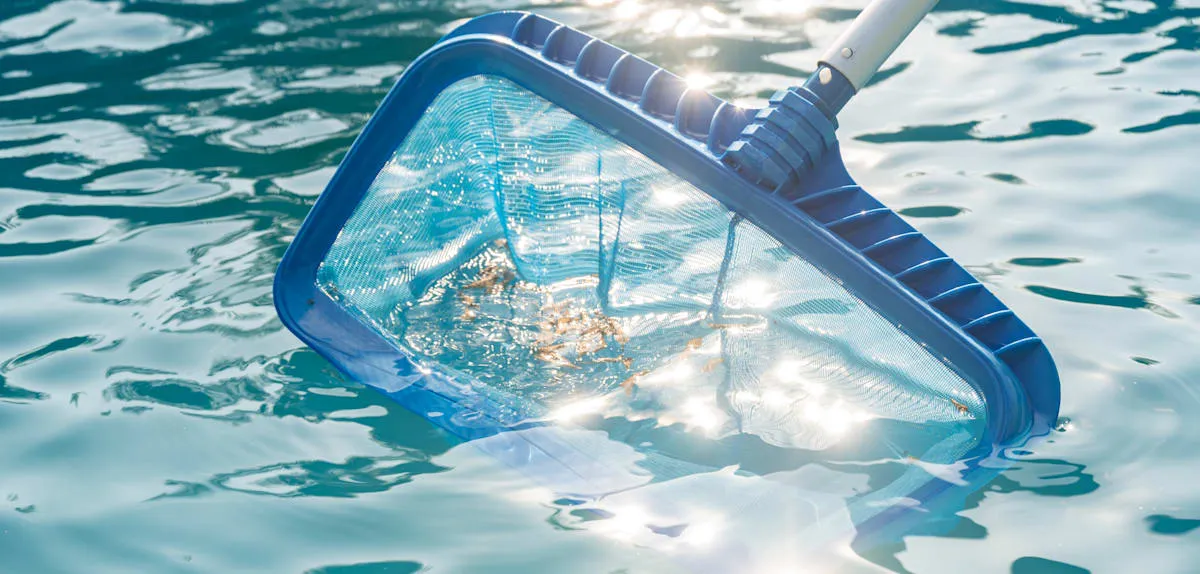
JAKARTA – Amidst the hustle and bustle of preparations for the 2026 summer holidays, unseen dangers lurk behind the clear waters of swimming pools. What appears clean often harbors serious health threats, especially for children. Pathogenic microorganisms can thrive even in seemingly pristine pool water, creating a significant risk of infection for swimmers.
Good swimming pool water quality is not merely visual. Water clarity alone is an insufficient indicator of hygiene. Without strict and regular sanitation management, swimming pools can become a breeding ground for various dangerous germs that threaten visitors.
Public health experts continue to issue warnings about the presence of bacteria such as E. coli, noroviruses, as well as parasites like Giardia and Cryptosporidium. These microorganisms, often originating from human waste, can survive for hours or even days in inadequately maintained pool water.
Children are the most vulnerable group to this threat. Their immune systems are not yet fully mature, and the habit of swallowing water while swimming increases the risk of germ exposure. Infections from pool germs can trigger various health problems, ranging from severe diarrhea to skin and eye irritation.
A spokesperson for the Indonesian Ministry of Health, dr. Siti Rahayu, at a press conference held in early May 2026, emphasized the crucial role of pool owners and managers. “The responsibility for maintaining water quality lies with them. Routine testing and maintenance according to standards are key to preventing disease outbreaks,” dr. Siti stated.
Effective prevention requires more than just arbitrary chlorine addition. Pool owners must ensure optimal free chlorine levels, balanced water pH, and a perfectly functioning filtration system. Regular water quality testing should be conducted to detect any potential contaminants.
Furthermore, educating pool users is also critically important. Swimmers are advised to shower before entering the pool, avoid urinating or defecating in the water, and refrain from swimming when ill. These simple practices contribute significantly to curbing germ spread.
The World Health Organization (WHO), in its latest report for 2026, also highlighted health issues arising from unhygienic recreational water. They urged governments worldwide to tighten regulations and oversight of both public and private swimming pool facilities.
The health impacts of pool water infections can vary. Persistent diarrhea, itchy skin rashes, ear infections, and conjunctivitis are some common complaints. In more severe cases, especially in individuals with low immunity, these infections can lead to serious complications.
The public is urged not to delay medical examination if they experience symptoms of illness after swimming in a pool. Collective vigilance and adherence to hygiene standards are the main foundations for ensuring a pleasant and safe swimming experience.
Therefore, before deciding to take a dip in a pool, whether public or private, it is advisable to check its visual cleanliness and ensure there are signs of adequate maintenance. Questions about water testing frequency should also be posed to the management.
As a precautionary measure, using swimming goggles and nose clips can reduce direct exposure to germs in the water. Taking a clean shower immediately after exiting the pool is also effective in washing off residual chlorine and potential germs adhering to the skin.
Nevertheless, do not let these concerns hinder beneficial swimming activities. With accurate information and careful preventive measures, swimming pools can remain a healthy recreational and exercise facility for all family members.