 Edward DP Situmorang
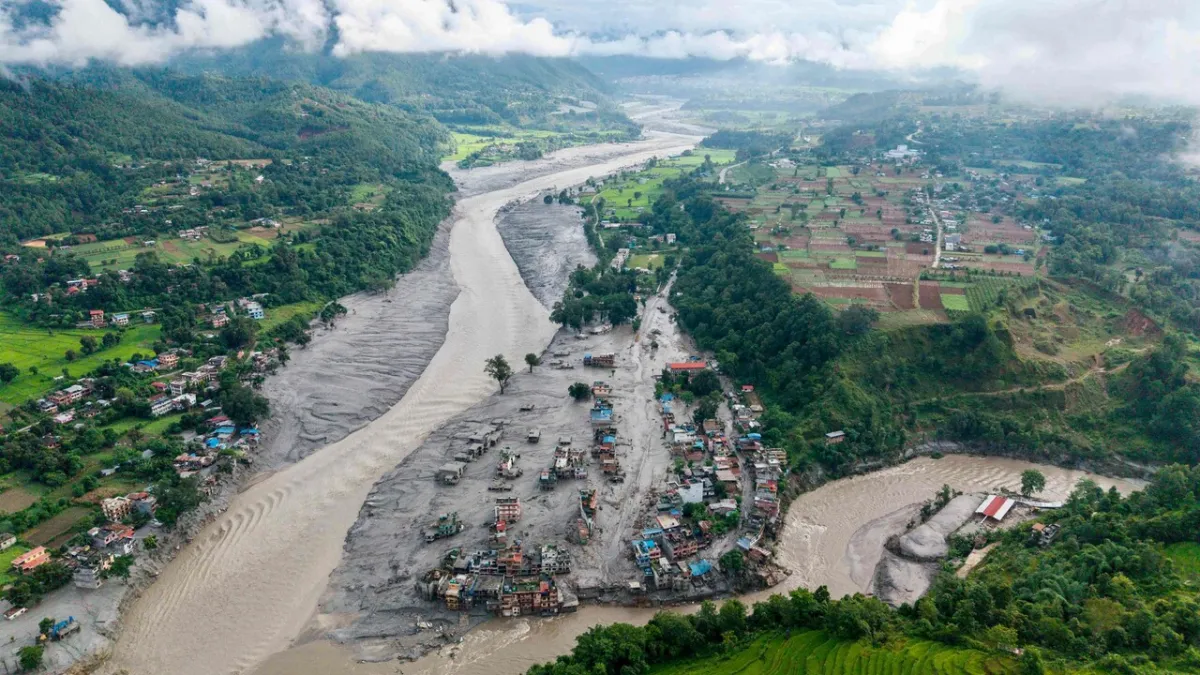
KATHMANDU – The devastating floods ravaging the Himalayan region continue to worsen, leading to a significant surge in the death toll in Nepal. Latest figures indicate 475 people have died due to the calamity, while over 2,300 individuals are reported missing. Of those missing, 644 are foreign nationals, adding complexity to the search and rescue operations.
A critical situation has also unfolded at a hydroelectric power plant, where over 100 workers are now trapped inside a tunnel due to the flood's impact. Rescue teams face immense challenges in evacuating these workers amidst extreme conditions.
Meanwhile, rescue operations in Tibet have been temporarily halted. This decision was made due to concerns over potential secondary flood waves that could endanger search and rescue teams. Local authorities are prioritizing the safety of personnel on the ground, despite recognizing the urgency of locating victims.
This disaster is strongly linked to the bursting of glaciers in the Himalayas, a phenomenon that has been warned by climatologists and geologists for some time. Global climate change is blamed as the main trigger for a series of hydrometeorological disasters in the world's highest mountain range. The Nepal-Tibet region has been rocked by devastating floods in 2026, creating a chilling threat of a second wave.
Identification and verification of victims' identities remain a crucial task amidst the panic. Many families worldwide await news of their relatives, who are among the hundreds of missing foreign tourists. This concern is exacerbated by stories such as Marco's mysterious disappearance, an Italian gold craftsman believed to be caught in this tragedy.
International responses are beginning to mobilize, although access to some affected areas remains extremely difficult. The extreme terrain, coupled with damaged vital infrastructure as reported in Nepal Paralyzed: 40 Kilometers of Roads Destroyed by Floods, hinders humanitarian aid distribution and the mobilization of rescue teams.
The governments of Nepal and Tibet face immense pressure to manage this crisis, including cross-border coordination for disaster response. Conflicting data regarding the exact number of missing foreign tourists is also a concern, as highlighted in the article 517 Foreign Tourists Missing in Nepal-Tibet Floods.
Limited resources and equipment in remote areas make the evacuation and search processes even more challenging. SAR teams are battling strong currents, debris, and the constant threat of new landslides. The urgency of the search is amplified by the wave of anxiety from Italian families whose relatives are missing.
This disaster not only leaves deep sorrow for thousands of families but also reignites debates about the readiness of infrastructure and early warning systems in the Himalayan region. Local governments are urged to immediately evaluate and improve disaster mitigation, given the increasing frequency of similar events.
The long-term implications of these floods will be felt in the local economy, especially tourism, which is a backbone for many communities in Nepal. Reconstruction will require enormous time and resources, as well as support from the international community.
Editorial Insight: This tragedy in the Himalayas is more than just sad news; it is a stark warning about the fragility of the ecosystem and the urgency of adapting to climate change. The scale of the disaster, involving hundreds of fatalities and thousands missing, including foreign nationals, highlights the weaknesses in early warning systems and infrastructure in vulnerable regions. Regional coordination, particularly between Nepal and Tibet, is absolutely essential to prevent escalation and ensure a more effective response in the future. Focusing on community-based disaster mitigation and investing in resilient infrastructure are key to the sustainability of life in the Himalayan mountains.