 Gabriella
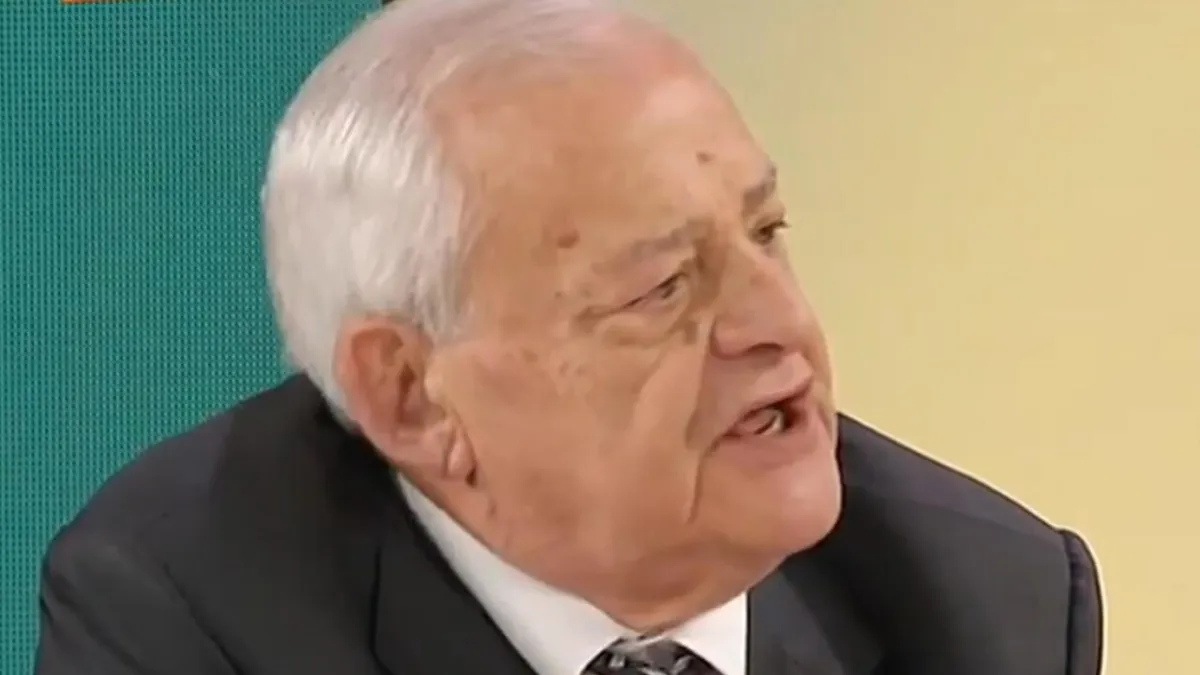
ROME – Massimiliano Cencelli, a former functionary of the Christian Democracy (DC) party widely known as the mastermind behind the method of Italian political office distribution dubbed the “Cencelli manuale,” passed away at the age of 90 in 2026. His departure marks the end of a significant era in the history of power maneuvers in Italy, a legacy that indirectly shaped the structure of government for decades.
Cencelli, though not always in the public spotlight, played a crucial role in Italy's political dynamics from the post-war period until the end of the First Republic. He was the architect of an unwritten system that strategically governed how key positions in the party and government were allocated.
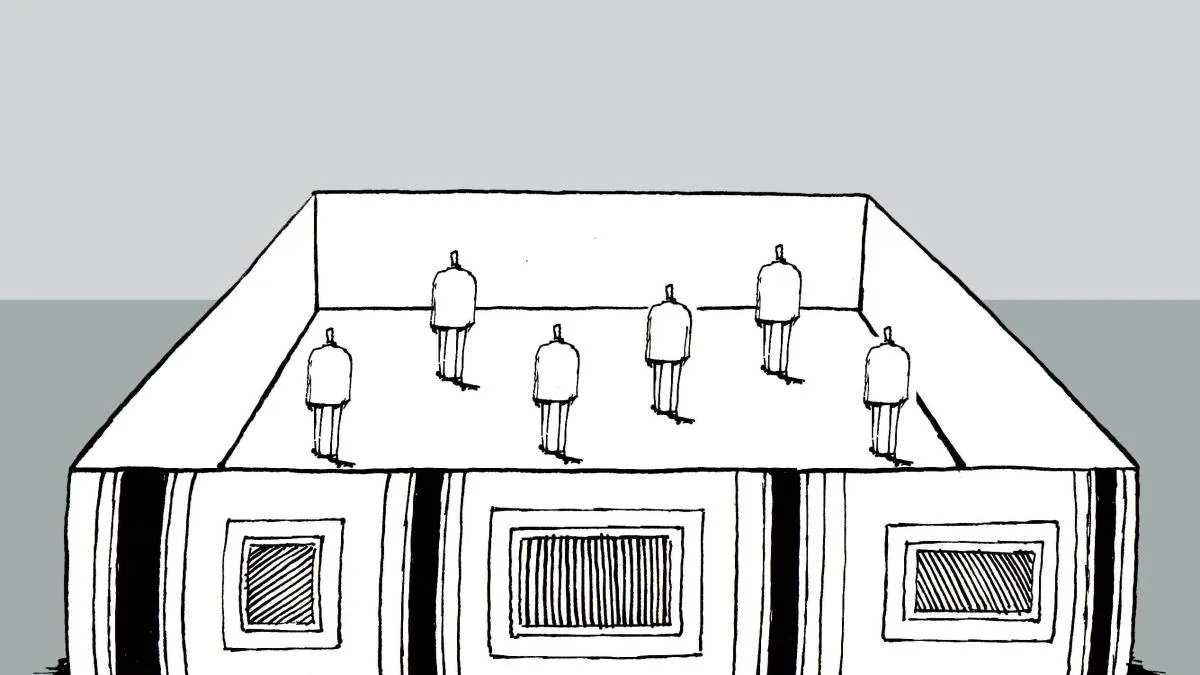
The “Cencelli manuale,” as his method was termed, was not merely a physical document but a series of pragmatic principles. These principles ensured that appointments, ranging from ministries to directorships in state institutions, were made based on the weight and political strength of a faction or party with precision.
The political weight referred to included the number of votes held, parliamentary representation, and regional influence. Cencelli meticulously formulated a system that allowed coalitions and the balance of power to be maintained, even amidst fierce internal intrigues and rivalries among politicians.
This system became a kind of “unwritten constitution” acknowledged and applied by various factions within the Christian Democracy party, which dominated the Italian political scene for nearly half a century. While this method provided stability in allocations, it also frequently became a target of sharp criticism.
Critics argued that the “manuale” fostered patronage and sacrificed meritocracy for the sake of a fragile political balance. Nevertheless, its defenders maintained that the system was essential to prevent further fragmentation within an already complex and vulnerable political system.
Cencelli, with his expertise, successfully navigated the labyrinth of political interests and kept the wheels of government turning. His role was often behind the scenes, as a shrewd negotiator who thoroughly understood the power map and desires of political actors at every level.
The legacy of the “manuale” was not limited to the Christian Democracy period. Its influence is still felt in modern Italian political practices, where negotiations for office allocation remain an integral part of cabinet and government coalition formation today.
Cencelli's death in his old age serves as a reminder of the central figures who laid the foundations of post-war politics. He was a guardian of political traditions that, whether favored or not, became an inseparable part of Italy's political identity.
The process of adapting to changing times, where new parties emerge and coalition systems become increasingly fluid, demands an evolution from old methods. However, the essence of the balance of power that Cencelli once regulated remains relevant and a subject of study for many political experts.
Editorial Insight: Massimiliano Cencelli's passing is not merely news of a death but a profound reflection on the evolution of political systems. The “Cencelli manuale” reflects a political pragmatism that may seem antiquated, but fundamentally still resonates in modern power-sharing structures. Understanding his legacy is crucial for analyzing the dynamics of coalitions and appointments in Italy today, even in 2026, proving that old methods have contemporary adaptations.