 Debby Wijaya

Jakarta — The year 2026 marks a crucial juncture for global democratic integrity, following a surge in the intensity of digital narrative manipulation powered by artificial intelligence (AI). Experts and governments worldwide are voicing deep concerns about the potential of this sophisticated propaganda to undermine a series of critical upcoming elections, ranging from local to presidential contests, particularly in Europe and North America.
The rapid advancement of AI technology has transformed the information landscape, enabling the creation of increasingly convincing fake content, from news articles to deepfake videos. This phenomenon poses a significant challenge to society's ability to distinguish fact from fiction, a condition exploited by actors seeking to influence public opinion and divide communities.
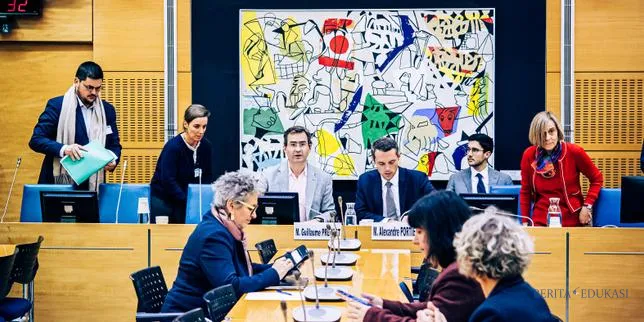
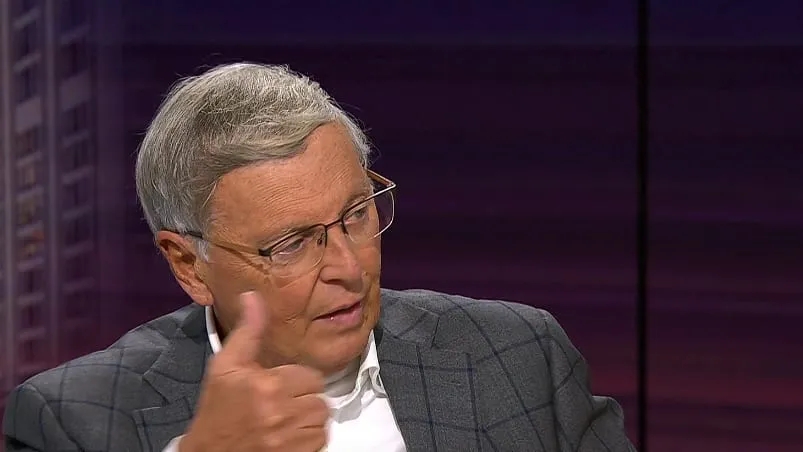
In Europe, these concerns are particularly acute ahead of important elections scheduled for 2026 in several European Union member states. The use of polarized narratives, often backed by structured disinformation campaigns, has become a powerful tool to reinforce extreme nationalist sentiments or foster distrust in democratic institutions. Related articles such as "German Culture Minister Declares Ideological Resistance Against AfD" highlight the intense ideological struggle within European politics.
Professor Elara Vance, a political communication expert from the University of Berlin, stated, "We are witnessing a new era of information warfare. Today's propaganda no longer relies on posters or radio broadcasts, but on sophisticated algorithms and massive user behavior data. The threat to the integrity of cultural and educational institutions is also inevitable."
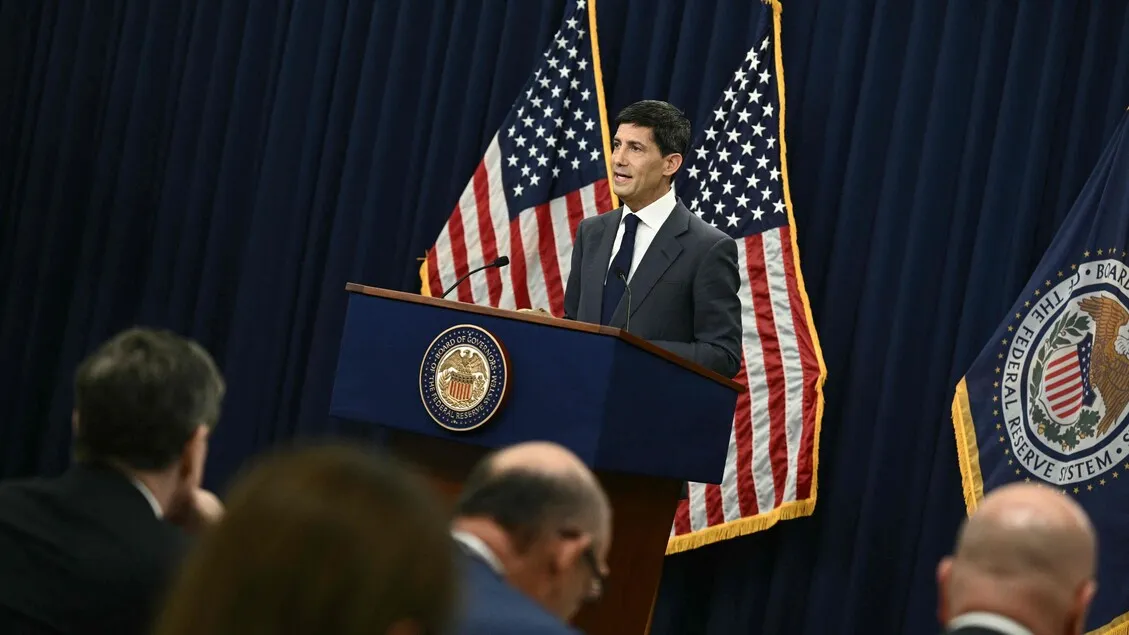
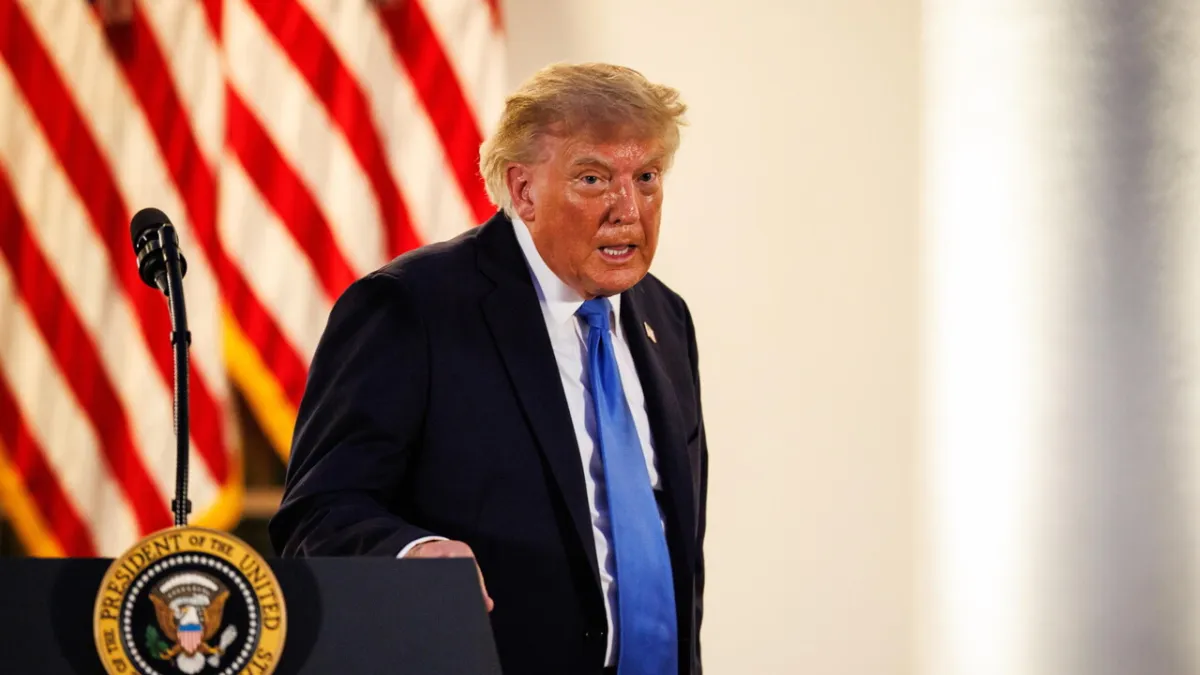
A similar situation is observed in the United States, where political rhetoric ahead of the 2028 presidential election is already heating up. Controversial statements from political figures, often directly targeting mainstream media, open avenues for the spread of alternative narratives that are sometimes unfounded. This phenomenon recalls the dynamics depicted in the news "Trump Shakes Media Gala: Fourth Candidacy Echoes, Europe Threatened with New Tariffs!"
AI utilization allows for personalized propaganda messages with alarming precision. Each individual can become the target of micro-campaigns tailored to their preferences and biases, reinforcing echo chambers and polarizing views. This is a dangerous evolution of classic propaganda, proven effective in the past, but now with a much larger scale and speed.
Governments and international organizations are beginning to implement strategies to combat this wave of misinformation. Collaborative efforts between tech companies, regulators, and law enforcement agencies are key to detecting and tackling digital propaganda networks. However, the complexity of AI technology and the transnational nature of the internet complicate detection and enforcement efforts.
Civil society organizations, particularly those involved in digital literacy, are actively conducting education to raise public awareness of modern propaganda tactics. They emphasize the importance of fact-checking and critical thinking before believing or disseminating information circulating on online platforms.
The threat to social stability does not only come from elections. Hate narratives fueled by propaganda also have the potential to trigger conflicts within society, even exacerbating crisis situations. Cases such as "Iran War Triggers Global Energy Crisis" show how geopolitical tensions can be exploited to ignite public sentiment through propaganda.
G7 leaders, in a virtual meeting earlier this year, urged social media platforms to tighten content moderation policies and invest more heavily in AI technology to identify and remove harmful propaganda. They acknowledged that this threat cannot be addressed partially by one nation alone.
Nevertheless, the debate over the limits of freedom of expression and censorship is highly relevant. Balancing the protection of the public from disinformation with ensuring the right to expression is a complex ethical and legal challenge that policymakers globally must resolve.
Investigative journalism plays a vital role in uncovering propaganda networks and the actors behind them. By relying on principles of verification and independence, credible media can serve as a primary bulwark against the rising tide of information manipulation.
The future of democracy in the coming years heavily depends on how effectively the international community can adapt and resist the threat of AI-driven digital propaganda. Collective awareness and coordinated responses will determine whether elections remain a reflection of the people's will or merely an arena for manipulation.