 Chandra Wijayanto
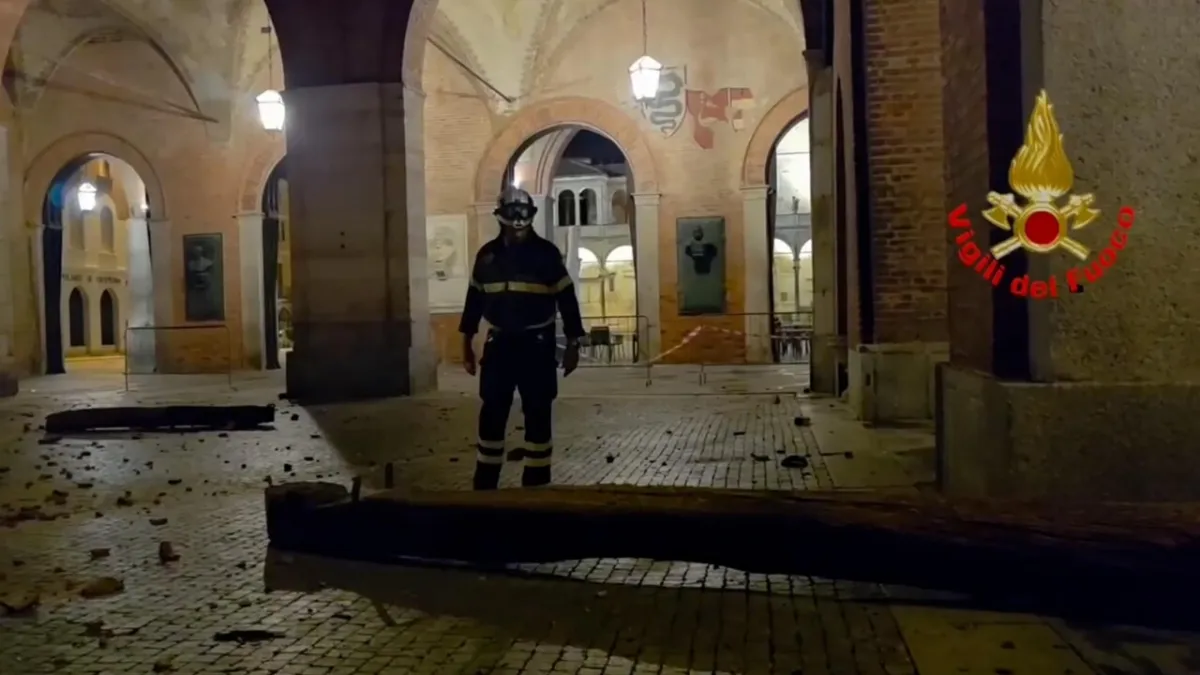
SOFIA – A drone incident has rocked the vicinity of a vital gas pipeline in Bulgaria, triggering serious concerns over regional energy stability. This event coincides with a stark warning from Ukrainian President Volodymyr Zelensky regarding a potential devastating energy crisis looming over Europe in the winter of 2026. As tensions escalate, Russian air raids have once again targeted Kyiv, claiming three lives, including a child, near the Ukrainian capital.
The drone explosion near Bulgaria's critical infrastructure underscores the fragility of energy supply security amidst the protracted conflict. Specific details regarding the drone's origin and exact target remain under investigation by authorities. However, the incident immediately prompted international reactions and heightened vigilance across the European continent.
Threats to the Bulgarian gas pipeline, a crucial energy transmission route for several European nations, fuel speculation about destabilization efforts. This is not the first time the Balkan region has faced similar threats; previously, a drone incident in Romania also shook Bulgaria, raising significant questions about European energy security.
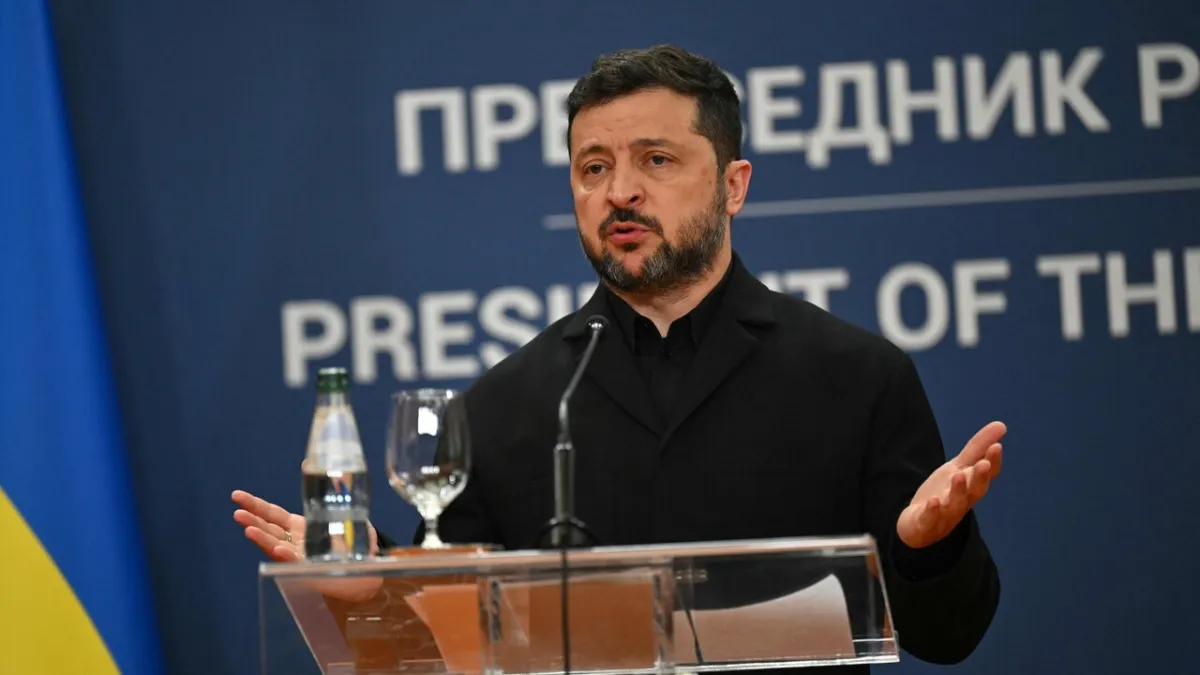
President Zelensky, currently in Belgrade, Serbia, promptly voiced his concerns. In his statement, he explicitly accused Russian President Vladimir Putin of attempting to cripple Ukraine's vital infrastructure ahead of winter. "Ukraine no longer has any intact power plants," Zelensky stated, describing the scale of damage his country has suffered.
This statement indicates systematic destruction of Ukraine's energy production capacity, leaving millions of its citizens under the shadow of darkness and cold. The threat of winter without adequate electricity supplies could trigger a large-scale humanitarian crisis, adding to the long list of suffering caused by the conflict.
Meanwhile, residents of Kyiv once again experienced the direct impact of the escalating conflict. Recent Russian air raids reportedly struck several strategic areas around the capital. Tragically, these incidents resulted in the deaths of three civilians, including an innocent child, worsening the civilian casualty toll of the war.
The relentless attacks on civilian and energy infrastructure clearly demonstrate a war strategy aimed at breaking public morale and resilience. This tactic often characterizes modern conflicts, where warfare extends beyond military battlefields to the front lines of civilians' daily lives.
This situation also triggers security alerts in other European countries. Germany, for instance, has tightened security for major events with a focus on drone threats, recognizing the disruptive potential of this technology in the context of geopolitical conflict. The incident in Bulgaria is just the latest reminder of existing vulnerabilities.
The international community urges all parties to exercise restraint and seek lasting diplomatic solutions. However, with the deepening abyss of conflict and targets expanding to vital infrastructure, the path to peace appears increasingly arduous. Winter 2026 is expected to be a severe test for Ukraine's resilience and European solidarity.
Zelensky's warning is not merely political rhetoric but a real call to action regarding a crisis already at hand. Without massive intervention and support, millions will face extreme living challenges, battling cold weather and a lack of energy, which could have long-term impacts on regional and global stability.
Editorial Insight:
The drone incident in Bulgaria, coinciding with Zelensky's warning, indicates that the conflict in Ukraine now has broader dimensions, threatening Europe's entire energy stability. Targeting civilian and energy infrastructure demonstrates a pattern of deliberate escalation to create maximum pressure, especially heading into winter. A rapid and coordinated response from the European Union and its allies will be crucial to prevent a humanitarian crisis and maintain the continent's energy security. Failure to act could deepen polarization and prolong geopolitical uncertainty.