 Debby Wijaya
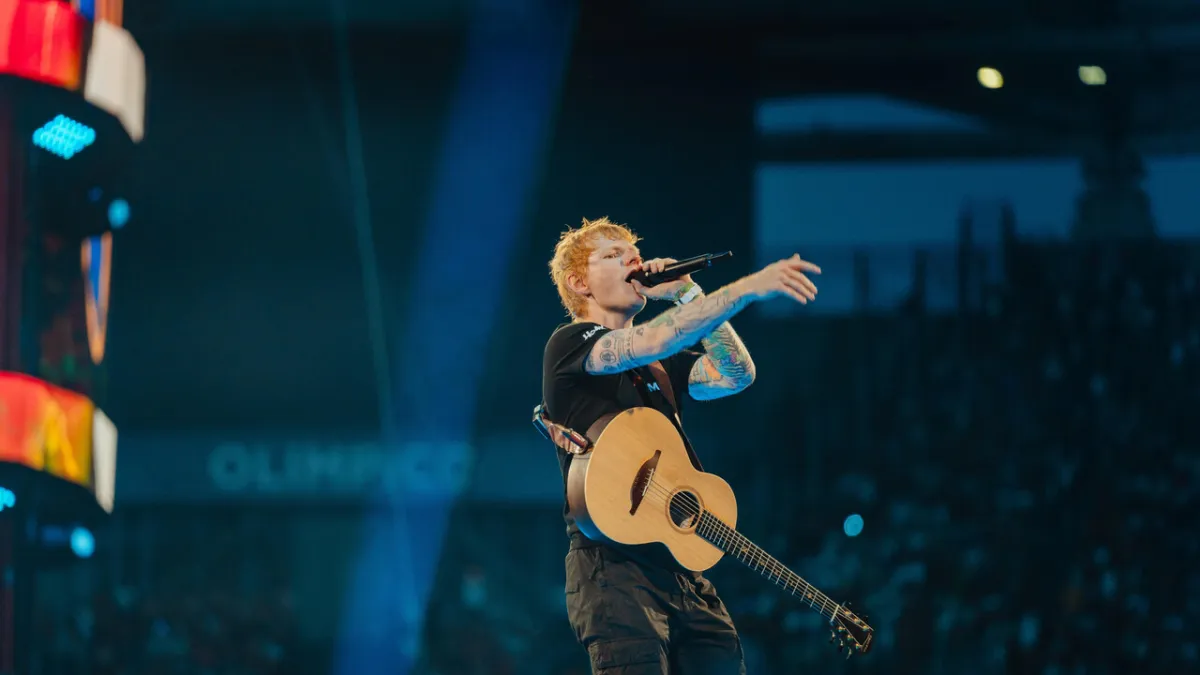
LONDON – Global pop star Ed Sheeran recently returned to the stage following a series of controversies, seizing the opportunity to vocalize his stance on the situation in Gaza, which he described as 'unjustifiable'. Sheeran's return was shadowed by a drastic drop in his concert ticket prices, fueling speculation about the impact of his political statements on public reception and the entertainment market.
The British singer-songwriter, celebrated for his chart-topping hits, chose not to remain silent amidst global turmoil. His statement regarding Gaza adds to a growing list of celebrities expressing their concern for the protracted conflict in the Middle East.
His stage appearance this time garnered dual attention. Beyond marking the end of a personal or professional 'storm' that preceded it, it was also due to his courage in taking a stand on a sensitive issue. The concert, initially anticipated as a career resurgence post-controversy, now also served as a platform for a humanitarian message.
However, amidst this bold declaration, the market displayed a potentially unexpected reaction. Ticket prices for his show reportedly plunged significantly, from an initial $123 to $67. This decline reflects the complex dynamics between an artist's political expression and the commercial reception from their fanbase.
The plummeting ticket prices raise fundamental questions. Is this a direct indication of fan disapproval of his political views, or are there other contributing factors such as ticket oversupply, economic conditions, or shifting market preferences?
This situation highlights the dilemma faced by many public figures: balancing artistic integrity and conscience against potential commercial risks. Ed Sheeran is not the first celebrity to encounter such challenges, and likely will not be the last.
Gaza itself continues to be a focal point of international attention due to the ongoing humanitarian crisis. Sheeran's statement adds weight to the global discourse, encouraging further conversation about the role of artists in advocating for urgent humanitarian issues.
Celebrity influence can indeed mobilize public opinion. However, it can also polarize a fanbase, particularly when the issue raised is highly sensitive and sparks intense debate. This is a risk every public figure must consider.
Despite the sharp correction in ticket prices, Ed Sheeran's presence on stage and his statement sent a powerful message. It demonstrates that even in a highly commercialized entertainment industry, there is room for voices demanding justice or highlighting situations deemed unfair.
This situation can also be viewed as a barometer of public sensitivity towards global issues. Consumers, including music fans, are increasingly aware of and responsive to the moral and ethical stances of their idols.
This event also serves as a reminder of the dynamic regional conflicts that continue to rage. For instance, the past escalation of tensions involving the Houthi in Yemen with a focus on Italian aircraft presence in Saudi Arabia demonstrates the intricate geopolitical landscape of the Middle East. The interconnectedness of these issues is often indirect, yet mutually influences global public perception.
Editorial Insight: Ed Sheeran's case offers a tangible illustration of the intersection between art, activism, and commercialism. An artist's statement on a sensitive political issue can trigger diverse responses, ranging from full support to subtle boycotts reflected in sales figures. The drop in ticket prices indicates that the market is not always immune to public sentiment related to humanitarian issues, and this could set a precedent for other artists to be either more cautious or more courageous in voicing their opinions. The long-term impact on Sheeran's image and career will largely depend on how he manages this narrative moving forward.