 Gabriella
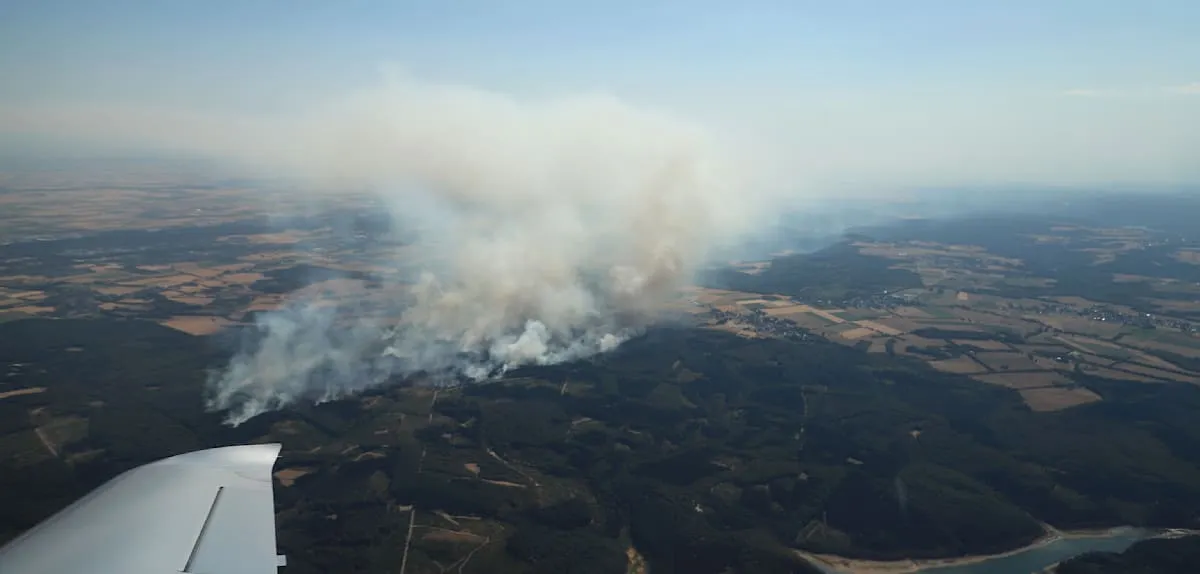
HURTGENWALD – Germany's western Eifel region is facing a severe ecological and humanitarian catastrophe following a massive wildfire that continues to rage uncontrollably. The blaze, engulfing areas near the town of Hurtgenwald, has put fire services on high alert. This urgent situation has forced authorities in Rhineland-Palatinate to issue evacuation orders for residents in two settlements, simultaneously sparking deep concerns from high-ranking officials.
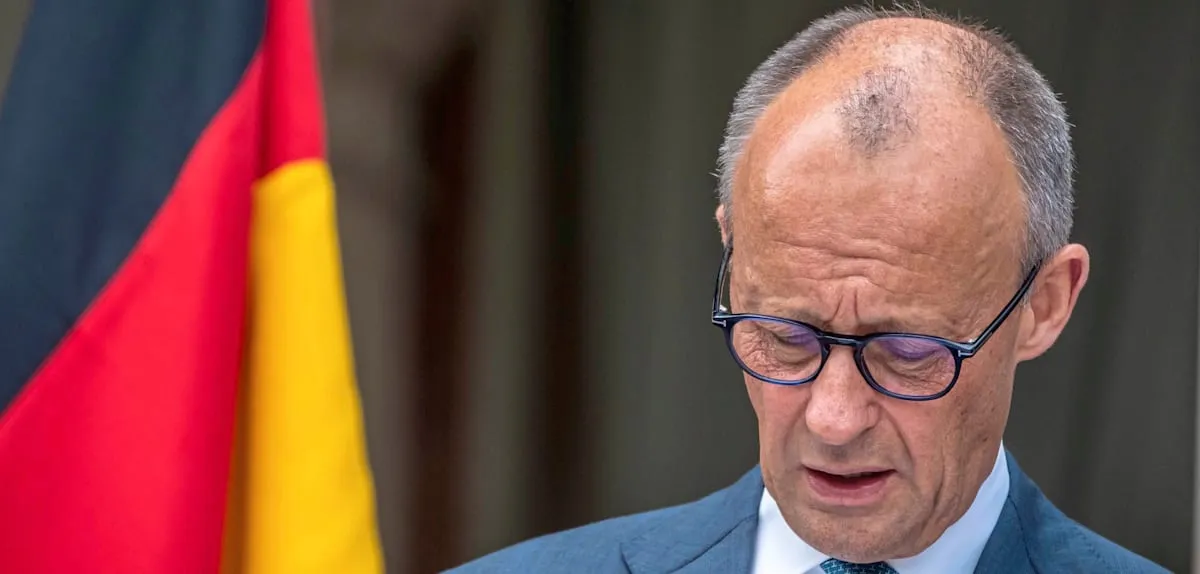
The sheer scale of this fire is evident from the statement by Alexander Dobrindt, a prominent German politician, who described the scenes in Eifel as 'devastating'. This forest fire is not merely a local incident; it poses a significant threat to the natural ecosystem and the lives of local residents. Thousands of acres of pine forests and grasslands have been incinerated, leaving a trail of destruction.
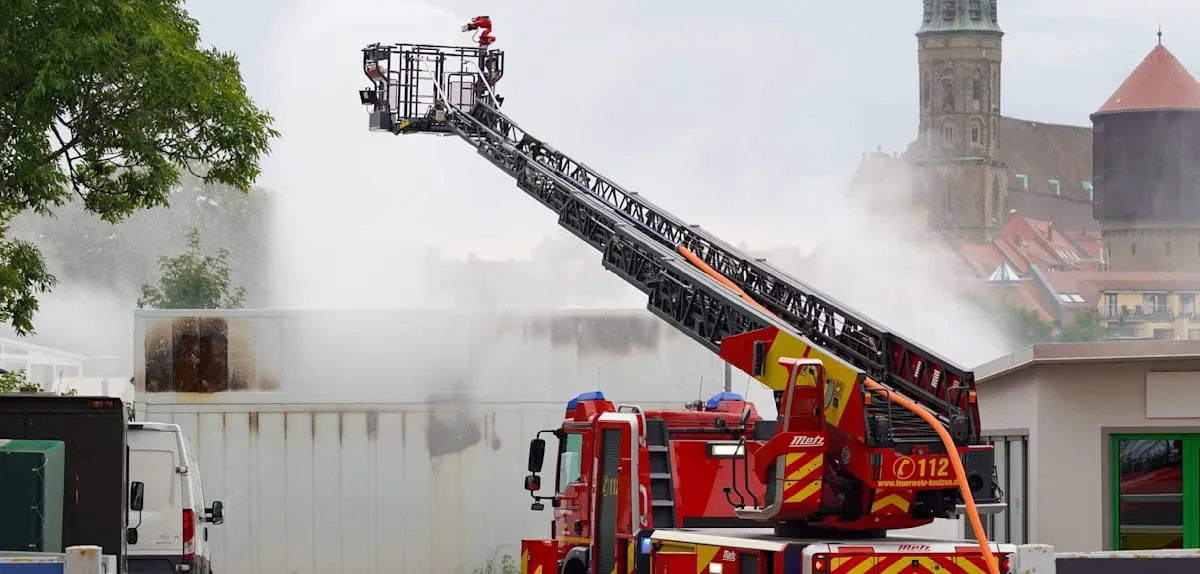
Firefighters from various regions, supported by emergency response units, are working tirelessly. One tactic being implemented is the use of 'backfires', a risky method aimed at controlling the spread of the fire by burning vegetation in its path. However, strong winds and extremely dry vegetation conditions present major challenges to firefighting efforts.
In the state of Rhineland-Palatinate, in particular, tensions have escalated after evacuation orders were issued. Residents of two villages are threatened by the unpredictable advance of the fire and are being urged to leave their homes for safety. This step underscores the severity of the situation and the potential for greater threats if the fire is not brought under control soon.
The sight of skies covered in thick smoke and the smell of burning have become part of daily life for Eifel residents. Those evacuated are now sheltering in temporary relief centers, awaiting news about the condition of their homes and belongings. The uncertainty has created an atmosphere of anxiety throughout the affected region.
The environmental impact of this fire is expected to be extensive. The Eifel ecosystem, known for its biodiversity and historic forest landscapes, has suffered severe damage. Wildlife has lost its habitat, and the forest regeneration process will take decades, even centuries.
Coordination between various agencies, from fire departments, police, military, to the German Red Cross, is intense. Firefighting helicopters are deployed to drop water from the air, while ground teams work to extinguish hotspots and protect settlements. This is one of the largest rescue operations in the Eifel in recent decades.
This incident is a reminder of a series of dry summers and extreme heatwaves that have struck Europe in recent years, including in 2026. Climate change is widely believed to be a major contributing factor, increasing the frequency and intensity of wildfires globally, including in Germany.
Local authorities and environmental experts are urging more aggressive preventive measures, including better forest management, effective early warning systems, and public education on fire risks. They also call for greater investment in firefighting equipment and personnel training.
Currently, attention is focused on the heroic efforts of personnel on the ground and hopes that the weather will turn favorable. Cooler conditions and potential rainfall could provide a valuable reprieve for firefighting teams to finally gain control over the raging inferno in Eifel.
Editorial Insight: The Eifel fire is not just local news; it is a stark illustration of Europe's vulnerability to the impacts of climate change. The scale of this disaster demands a re-evaluation of Germany's climate mitigation and adaptation strategies, as well as cross-border collaboration. Governments must consider allocating larger budgets for natural disaster risk management and strengthening emergency infrastructure to face similar challenges in the future.