 Angela Stefani
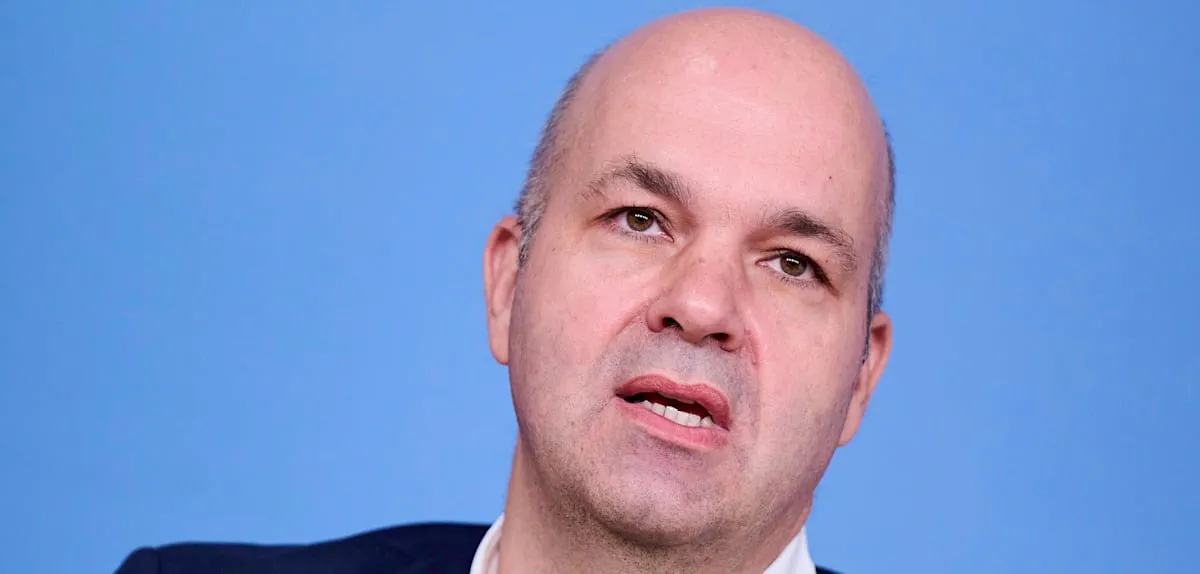
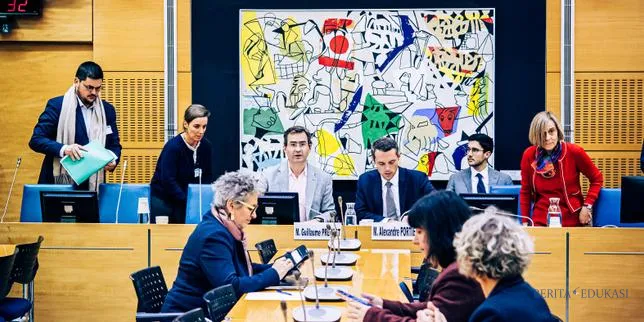
BERLIN – The proposal for nationalization or expropriation of large housing corporations in Berlin, championed by The Left Party (Die Linke), is now facing strong opposition from leading economists. Marcel Fratzscher, President of the German Institute for Economic Research (DIW), warns that such a move would be a fatal mistake that could ironically trigger a surge in rental prices in the German capital.
Die Linke, a left-wing political party, has consistently advocated for Vergesellschaftung or the socialization of property assets owned by giant corporations. Their primary goal is to address the housing crisis and ensure the availability of affordable housing for Berlins residents. This idea emerges amidst growing public frustration over steadily rising rental costs in recent years.
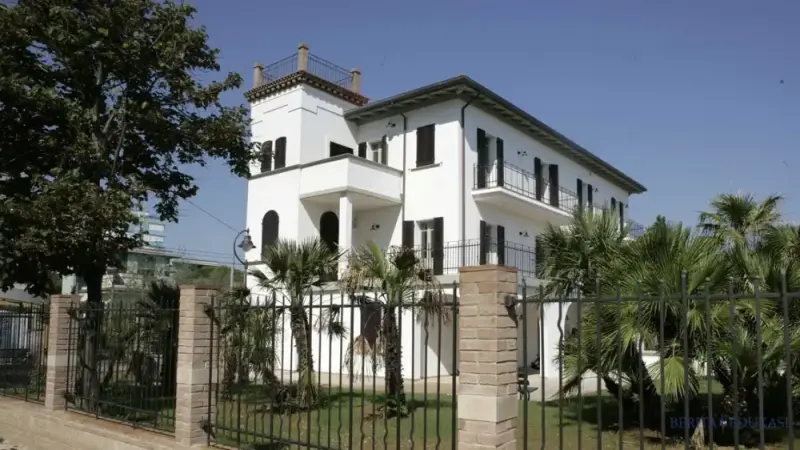
Indeed, Berlins property market has been a major point of contention. Rapid population growth, coupled with an insufficient housing supply, has caused both rental and purchase prices to soar, making it difficult for many middle-income residents to find decent and affordable housing in the city.
However, Fratzscher, recognized as one of the most influential voices in German economic policy, expresses deep concerns. He argues that radical interventions like expropriation would destroy investment incentives in the new housing construction sector.
Taking over properties from large companies would only send a negative signal to the market, Fratzscher stated. Investors would be reluctant to invest capital in Berlin, and even throughout Germany, if they fear their assets could be nationalized at any time. This would severely damage the investment climate.
A decline in investment in new housing construction would automatically exacerbate the supply problem. When fewer housing units are built, while demand remains high, basic economic principles dictate that rental prices would actually increase sharply, contrary to the initial goal of expropriation.
DIW, under Fratzschers leadership, often provides robust data analysis to support its economic views. They project that instead of decreasing, rental costs would experience a substantial increase due to reduced construction and maintenance of properties by private entities.
The debate surrounding expropriation is not new in Germany, especially in Berlin. In previous years, similar initiatives have sparked heated discussions about the limits of private property rights versus broader public interest, as well as the constitutionality of such measures.
Some parties argue that the city government should focus on increasing social housing construction capacity, providing incentives for developers to build affordable units, and implementing smarter rental market regulations, rather than pursuing this legally and economically risky path.
The Die Linke proposal reflects a broader tension in German politics between free-market approaches and stronger state intervention to address social and economic disparities. The outcome of this debate in Berlin will serve as an important barometer for housing policies in other major German cities.
The risk of litigation is also very high. Property companies whose assets are expropriated would almost certainly pursue legal avenues to defend their property rights, potentially leading to prolonged and costly lawsuits for the city government.
Political analysts predict that the idea of expropriation will remain a hot topic leading up to the upcoming regional elections in Berlin. The ability of politicians to present concrete and sustainable solutions to the housing crisis will be key to winning voters hearts.
Editorial Insight: Addressing the housing crisis in major cities indeed requires comprehensive solutions. The expropriation discourse, while stemming from good intentions for equity, carries significant economic risks, as warned by DIW. The balance between regulation, investment incentives, and sustainable development is crucial. Disregarding fundamental economic principles for populist solutions can be counterproductive, exacerbating the problems it aims to solve and sidelining potentially more stable long-term solutions.