 Angel Doris
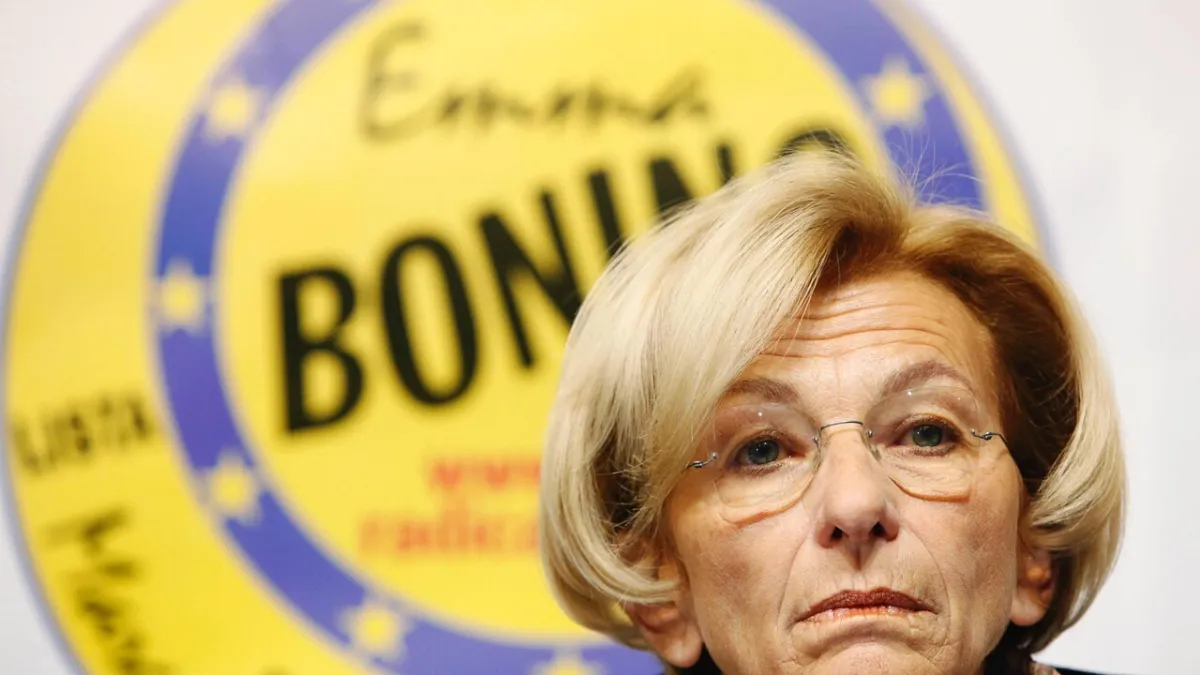
ROME – The world remembers Emma Bonino, a diplomat and human rights champion whose dedication transcended geographical boundaries. Her legacy of fighting for rights beyond borders continues to resonate strongly into 2026, marking a career that spanned from Kabul, Sarajevo, and Cairo, to the stages of European Union diplomacy and the Italian Ministry of Foreign Affairs, Farnesina.
Bonino, known for her steadfastness and progressive vision, has inspired many generations. She dedicated her life to advocating for humanitarian issues often overlooked by the international community.
The philosophy of diplomacy without borders was not mere rhetoric for her, but a guide for tangible action. Bonino believed that human dignity and justice know no passports or national boundaries. This principle drove her to enter difficult terrains, fearlessly facing challenges.
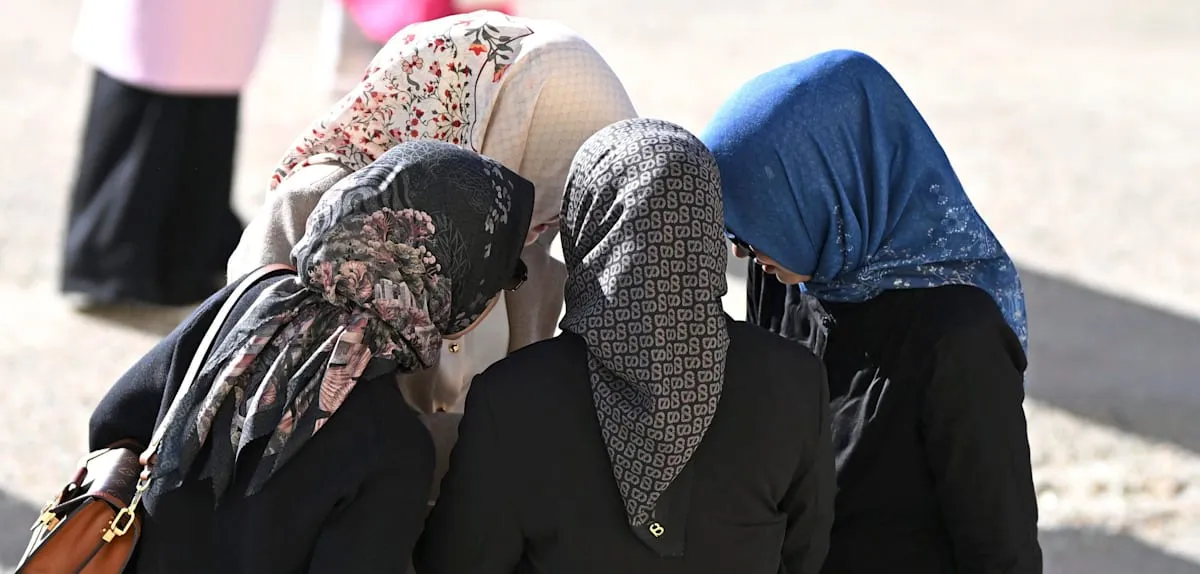
Boninos journey to Kabul, Afghanistan, during its most turbulent times, demonstrated her commitment to protecting civilians and womens rights. She became one of the brave voices speaking out about the conditions there, demanding attention and action from the world.
Not only in Asia, Boninos involvement in Sarajevo, Bosnia-Herzegovina, during the Balkan conflict, also served as clear evidence of her courage. She worked tirelessly to bring humanitarian aid and urged for peaceful solutions amidst the violence. This reflects her fundamental principle that every individual has the right to live in peace and dignity.
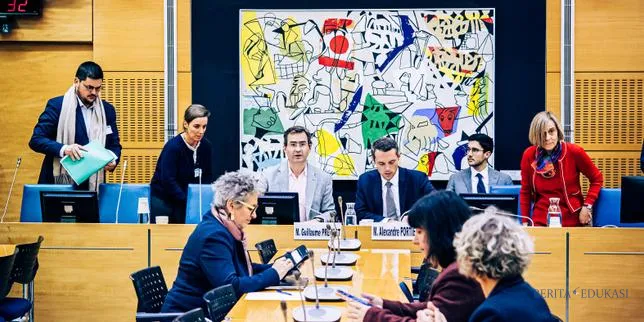
As a central figure on the European political stage, Bonino played an active role in shaping EU foreign policy. She advocated for a more humane and ethical approach to diplomacy, promoting democratic values and human rights as key pillars of international relations.
At Farnesina, the Italian Ministry of Foreign Affairs, she served as Foreign Minister and became the architect of bold policies, championing reforms and openness. Her period of leadership was marked by efforts to strengthen Italys role in global issues, particularly those related to development and civil rights.
Her attention did not stop in Europe and Asia; Bonino also extended her influence to Cairo, Egypt, and various countries in Africa. She was a strong advocate for sustainable development, womens empowerment, and democratic reforms across the Mediterranean and the Middle East. Her courage in speaking out on sensitive issues made her a respected yet formidable figure.
Emma Boninos dedication as a tenacious human rights champion has left an invaluable legacy. The story of her decades of political activism serves as an example of how diplomacy can be used as a tool for positive change, transcending mere national interests.
Bonino consistently reminded us that global challenges require collective responses and the political will to bridge differences. Her intellectual and moral legacy will continue to inspire future diplomats, activists, and leaders determined to build a more just and humane world.
Editorial Insight: Emma Boninos passing is indeed a loss, but her legacy of diplomacy and advocacy remains highly relevant, especially amidst the geopolitical complexities of 2026. Her journey reminds us of the importance of moral courage in international politics. Her story affirms that rights beyond borders is not a utopia, but a necessity that must be continually fought for by every nation, particularly Italy and the European Union, in confronting ongoing global humanitarian crises. It is a powerful reminder that true leadership transcends borders and terms of office.