 Stefani Rindus
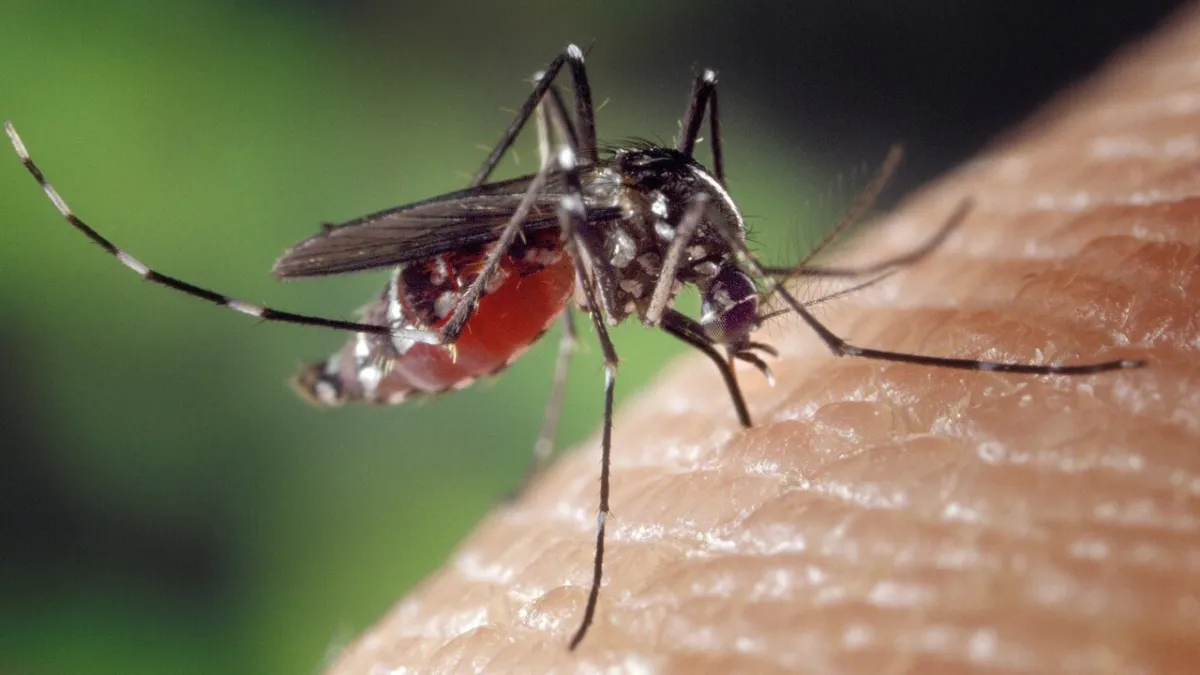
ROME – A leading microbiologist in Italy emphasized the urgency of increasing surveillance and disinfection to curb the alarming spread of vector-borne diseases, such as West Nile virus and malaria, entering 2026. This statement comes as a response to calls for strengthening public health strategies, recognizing that prevention cannot solely be delegated to individual citizens.
The global health threat from vector-borne diseases continues to rise. West Nile virus, which can cause severe fever, encephalitis, and even death, is now endemic in several European regions. Similarly, malaria, though largely eliminated in Europe, has the potential for resurgence with climate change and high human mobility.
The microbiologist stressed that extreme climate fluctuations in recent years, including prolonged heatwaves and erratic rainfall, create ideal environments for the breeding of pathogen-carrying mosquitoes. These conditions accelerate the vector's life cycle and expand their geographical range, putting more populations at serious risk.
'Prevention cannot be delegated to individual citizens,' he firmly stated, highlighting that personal actions like using mosquito repellent or nets are not effective enough without systematic intervention from authorities. He called for more intensive coordination among health institutions, local governments, and the scientific community.
Large-scale disinfection programs, particularly in swampy areas, standing water, and densely populated urban areas, must be implemented regularly and measurably. This step is crucial for effectively controlling adult mosquito and larval populations, breaking the chain of disease transmission at various levels.
Furthermore, meticulous epidemiological surveillance is a key pillar of this strategy. Early detection systems must be strengthened to quickly identify new infection cases, trace sources of transmission, and implement necessary isolation and mitigation measures before outbreaks spread widely.
Public health experts also advised mass education campaigns for the community regarding the dangers of vector-borne diseases, modes of transmission, and basic preventive actions that can be taken at the household level. Collective understanding will significantly strengthen communal prevention efforts.
The Italian government, through the Ministry of Health, is expected to formulate comprehensive policies that integrate various aspects of prevention, from virological surveillance to environmental management. Adequate budget allocation is also crucial to ensure the sustainability of these vital programs.
Past experience shows that negligence in surveillance can lead to health crises that claim lives and place an enormous burden on medical systems. Therefore, investment in prevention is a proactive step that is far more efficient than managing massive outbreaks.
Editorial Insight: This call from a prominent microbiologist underscores the complex global public health challenges. Active government involvement and collective awareness are key to confronting the threat of vector-borne diseases in 2026. Without coordinated strategies, the risk of infectious disease spread, such as West Nile virus and malaria, will continue to loom, potentially disrupting social and economic stability in the region.