 Angela Stefani
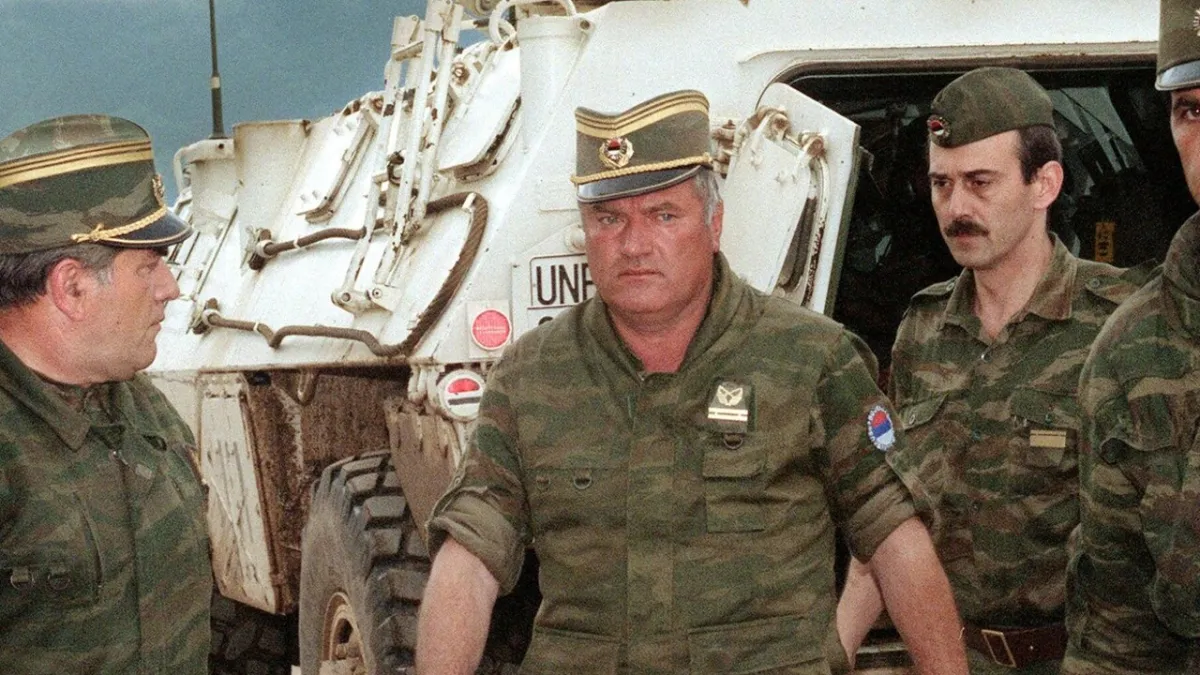
THE HAGUE – Ratko Mladic, widely known as the Butcher of Srebrenica, reportedly passed away at a psychiatric hospital in The Hague in 2026. The former Bosnian Serb military commander breathed his last after serving a life sentence for genocide, war crimes, and crimes against humanity committed during the Bosnian War of 1992-1995. His death marks the conclusion of a long chapter in the history of international justice.
Mladic had been detained in a medical facility, bedridden for the past eighteen months. His deteriorating health was the primary factor behind this news, ending the life of a figure responsible for one of the darkest stains in modern European history.
Ratko Mladic's name is inseparable from the Srebrenica tragedy in July 1995, when his forces systematically massacred over 8,000 Bosnian Muslim men and boys. This brutal slaughter was recognized as genocide by international courts, an event that continues to haunt collective memory.
After years as one of the world's most wanted fugitives, Mladic was finally apprehended in 2011 in Serbia. The arrest was a crucial moment for victims and their families who had long sought justice for their immeasurable suffering.
His trial at the International Criminal Tribunal for the former Yugoslavia (ICTY) in The Hague lasted for years, presenting horrific evidence of wartime atrocities. Mladic was indicted on 11 counts, including genocide, persecution, murder, deportation, and inhumane acts.
In 2017, he was found guilty and sentenced to life imprisonment. The verdict was subsequently upheld by the International Residual Mechanism for Criminal Tribunals (IRMCT) in 2021, affirming his responsibility for unspeakable crimes.
Despite his conviction, Mladic's life behind bars was marked by various health issues. He frequently moved between detention cells and medical facilities for treatment, eventually becoming frail and bedridden in a psychiatric hospital until his death.
For many victims and survivors of the Srebrenica genocide, Mladic's death brings a mix of emotions. Some see it as the closing of a bitter chapter, while others feel that true justice will never be fully achieved for those who lost loved ones.
His death also prompts deeper reflection on impunity and the importance of enforcing international law against perpetrators of war crimes. Mladic's case serves as an enduring reminder that justice, though often slow, can ultimately reach those responsible for mass atrocities.
The lengthy pursuit of justice for crimes in Bosnia, including Mladic's role, has been widely covered. To understand more about the background and chronology of this case, readers can explore our article on the end of a controversial figure's life that haunted Balkan history.
Editorial Insight: The death of Ratko Mladic marks the end of an era for one of Europe's worst architects of genocide since World War II. Though his physical presence is gone, the legacy of his crimes and their impact on victims will endure. This event underscores the international community's commitment to accountability for mass atrocities, as well as the ongoing challenges in reconciliation and peace-building in regions once torn apart by brutal conflict. Procedural justice may have been served, but the healing of historical wounds still requires a very long time.