 Gabriella
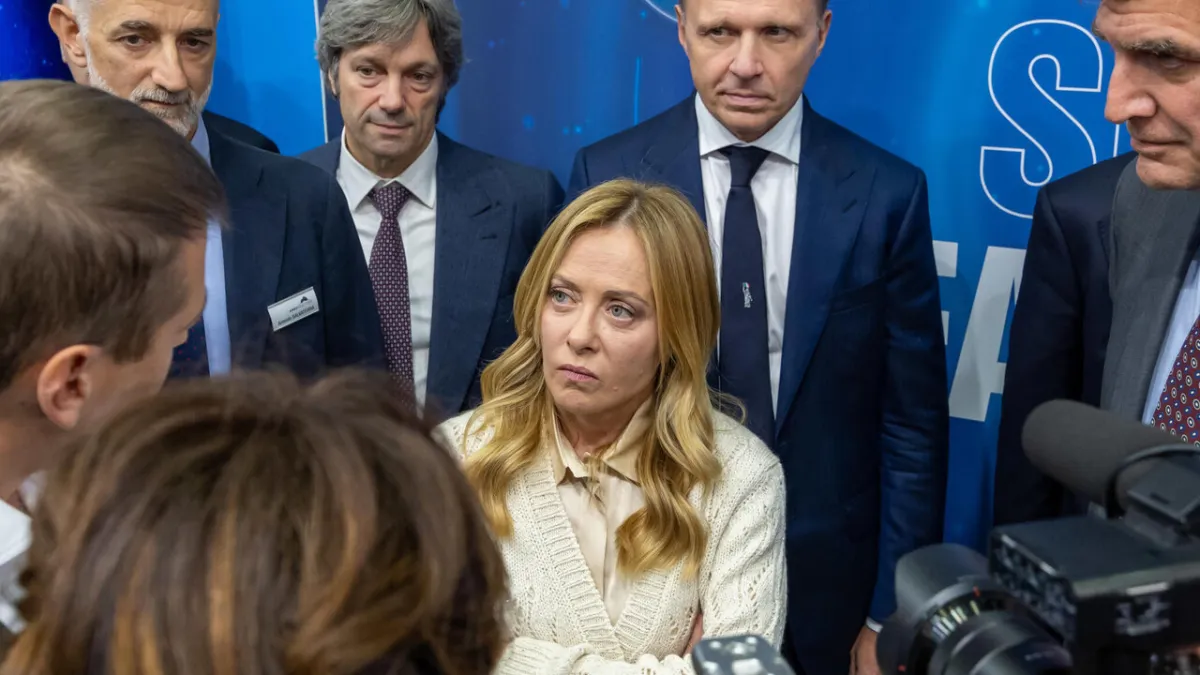
ROME – Political tensions over further arms shipments to Kiev escalated in the Italian capital, Rome, in 2026, following a strong warning from the League (Lega) party to its coalition allies. This situation was exacerbated by the mystery surrounding the delayed signing of a crucial document by Economy Minister Giancarlo Giorgetti, sparking speculation about cracks in coalition solidarity amid sensitive foreign policy issues.
The enigma behind the unsigned vital document concerning military aid policy for Ukraine by Economy Minister Giancarlo Giorgetti has finally been resolved. Prime Minister Giorgia Meloni personally confirmed that the signing was merely postponed. He will do it as soon as he returns to Rome, Meloni asserted, seeking to allay public and media concerns about a potential cabinet crisis.
The warning from the League, a pillar of Italy's right-wing coalition, reflects growing doubts and domestic pressure regarding Italy's involvement in the conflict in Ukraine. The party, led by Matteo Salvini, has repeatedly voiced concerns about the escalation of the conflict and its impact on the national economy, as well as urging for diplomatic solutions rather than continued military confrontation.
The issue of arms supplies to Kiev has always been a flashpoint in European politics, and Italy is no exception. Since the 2022 invasion, various military aid packages have been disbursed, but every new decision often sparks fierce debate over its geopolitical and financial implications. In 2026, with the global situation still volatile, such strategic decisions are under increasingly close scrutiny.
Internal friction within the Meloni-led government coalition is not new. The League party, with strong support base in northern Italy, often takes a more skeptical stance on military intervention than Fratelli d'Italia or Forza Italia. These differing views, though often managed to maintain government stability, resurface when defense policy comes under the spotlight.
Disagreements over arms shipments have the potential to erode the cohesion of Italy's governing alliance. In turn, this could weaken Italy's position in international forums, particularly within NATO and the European Union, where inter-member solidarity is key. This issue is more than just internal policy; it has much broader resonance for Italy's diplomatic image and strength.
Amid complex global dynamics, Europe continues to grapple with security challenges. The decisions of each member state, especially key countries like Italy, have a domino effect on regional stability and collective efforts to respond to threats. This situation is reminiscent of other tensions that have occurred, such as NATO Rocked: Western Intelligence Nabs Suspected Russian Spy US Soldier, which shows how fragile alliances are in the face of external and internal pressures.
Economy Minister Giancarlo Giorgetti's role in this incident is quite significant. As a key figure from the League within Meloni's cabinet, his delay in signing this document can be interpreted as a political signal. Whether it is a subtle refusal, an attempt at internal negotiation, or merely a procedural matter exacerbated by pressure, his actions serve as a barometer for the power dynamics within the coalition.
The political landscape of Italy in 2026 is characterized by a fragile balance of power among coalition parties. Prime Minister Meloni must carefully navigate the demands from each faction to maintain governmental stability and ensure the smooth implementation of her policy agenda. Every sensitive issue, such as military aid, can easily become a point of conflict threatening this balance.
Therefore, a swift resolution to the mystery of the document signing and a reaffirmation of the coalition's stance are crucial. Clarity from the government would greatly help calm markets, reassure international allies, and alleviate domestic uncertainty regarding the direction of Italy's foreign policy.
Editorial Insight: This incident highlights the vulnerability of Italy's coalition government in the face of divisive geopolitical issues. The tension between international commitments and domestic interests represented by parties like the League will continue to test Meloni's leadership. The government's ability to overcome internal friction without sacrificing regional stability will be a critical indicator for the future of Italian politics on the global stage.