 Edward DP Situmorang
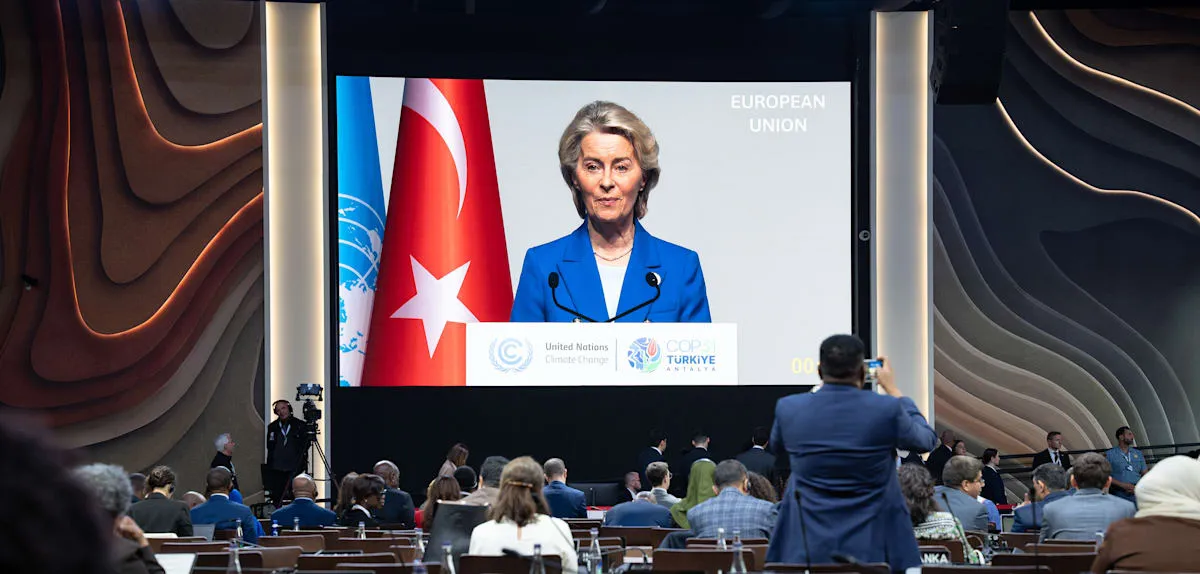
BRUSSELS – The European Union's ambition to be a global pioneer in climate protection faces intense scrutiny. While Europe prides itself on its progressive efforts, a recent analysis indicates that these measures are proving ineffective and, paradoxically, pushing the continent towards deindustrialization. This situation sparks fierce debate regarding the balance between environmental goals and economic stability amidst global turbulence.
A report published recently highlights a fundamental contradiction. Climate policies launched with high spirits, instead of delivering significant impact on global climate change, are allegedly burdening local industries. Regulatory pressures, soaring energy costs, and increasing global competition are narrowing the operational scope for businesses.
For a long time, Europe has positioned itself as a role model in reducing carbon emissions and leading the transition to a green economy. Various initiatives, from ambitious emission targets to massive investments in renewable energy, have characterized this regional approach. However, the effectiveness of these measures is now being carefully re-evaluated.
Deindustrialization is not a new threat to Europe, but it is exacerbated this time by the dynamics of climate policy. Factory closures, relocation of production to countries with more lenient environmental regulations, and job losses in manufacturing are tangible indicators. This phenomenon creates a wave of concern about the erosion of the continent's traditional economic base.
Analysis shows that overly aggressive climate policies, without being balanced by strong industrialization strategies, can harm competitiveness. In a broader context, this threat of deindustrialization could exacerbate tensions in the global chip war and the increasingly heated technological competition, placing Europe in a vulnerable position.
Critics argue that the burden of regulation and compliance costs in Europe far exceeds those applied elsewhere. This creates 'carbon leakage', where emissions are not reduced globally but merely shift to countries with lower standards, while sacrificing Europe's production capacity.
On the other hand, proponents of climate policy emphasize the urgency of drastic action to save the planet from the climate crisis. They argue that innovation and investment in green technologies will actually create new jobs and shape a more sustainable future economy. The challenge is how this transition can be fair and not harm workers.
Vital sectors such as the steel, chemical, and automotive industries are among the most affected. These companies face a dilemma between making massive investments to meet emission standards or considering options to scale down operations or even completely exit the European market.
This issue also heats up the political arena in several EU member states. Debates in Germany, for example, on how to balance climate ambitions with industrial needs demonstrate the complexity of this problem at the national level.
Governments and institutions in Europe are now faced with the crucial task of rethinking a more holistic strategy. Solutions discussed include providing greater incentives for green innovation, adjusting the carbon border adjustment mechanism to be fairer, and strong climate diplomacy to promote uniform global standards.
The future of European industry, as well as its credibility as a climate leader, depends on the ability of policymakers to find a pragmatic middle ground. The green transition must go hand-in-hand with strengthening industrial competitiveness, rather than undermining it.
Editorial Insight: The dilemma facing Europe reflects a global challenge in balancing environmental protection with economic growth. If not managed wisely, overly idealistic climate efforts without a strong industrial base could create economic vulnerability and potential social conflicts, slowing long-term progress. Europe needs to learn from this experience to lead not just in aspiration, but also in sustainable and equitable implementation.